Choose Tarnish-Resistant Everyday Jewelry: Metals, Coatings, and Buying Checklist
Choose metals and finishes—solid 14K+ gold, 316L stainless, PVD, rhodium, or gold‑filled—to minimize tarnish and keep everyday pieces wearable and low‑maintenance.
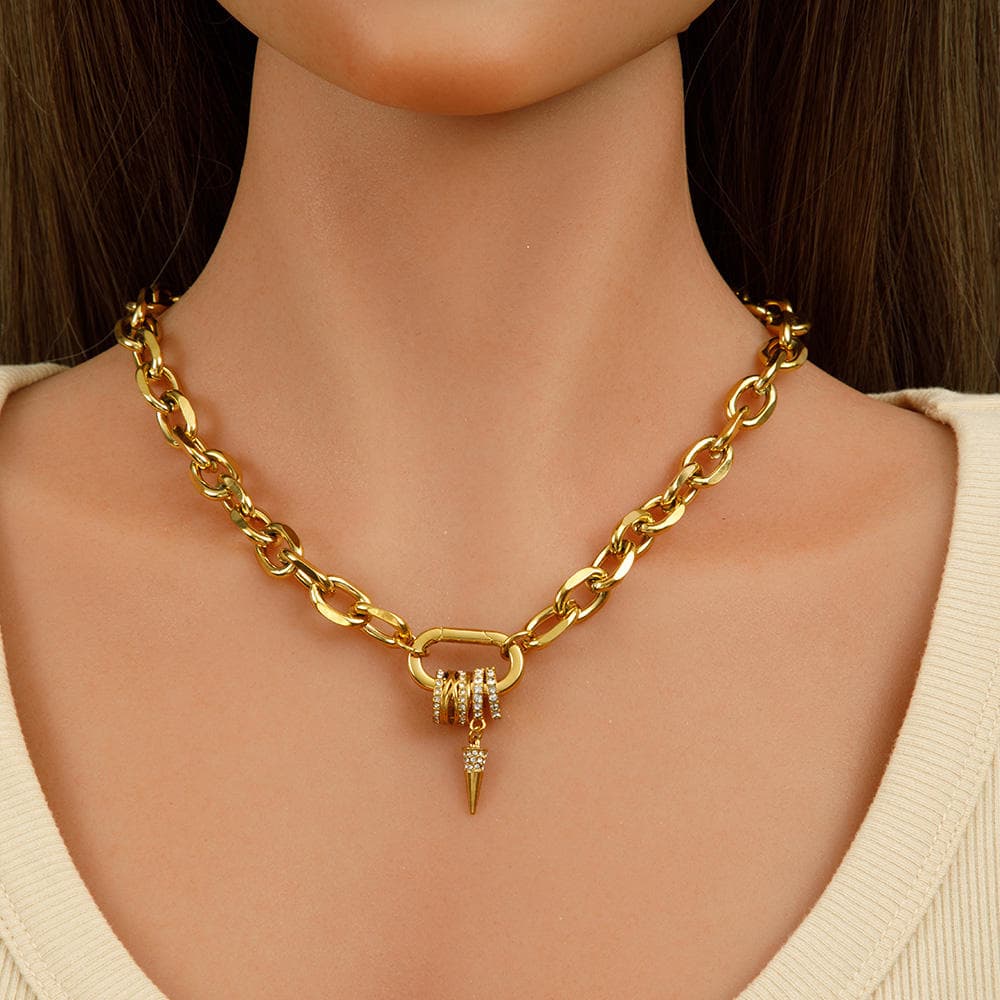
Everyday jewelry earns its place in your rotation by surviving the rhythms of a life lived close to the body: handwashing, travel, gym bags, perfumes and rain. The practical truth is simple and technical at once—some metals and surface treatments are chemically far less likely to darken, corrode, or leave green marks—and choosing them up front saves you from constant polishing or premature replacement.
Definitions: what “tarnish‑resistant” and “non‑tarnish” really mean Precise language matters. As one seller puts it, “Non‑tarnish jewelry refers to jewelry that resists the typical dullness, discoloration, or corrosion that happens with regular metal jewelry over time.” Tarnish itself is “a chemical reaction, often involving oxygen, moisture, and sulfur, that alters the appearance of metals like silver, copper, or brass,” a process that “create[s] chemical compounds on the metal surface, causing it to darken or discolor.” The phrase “water‑resistant” is more conditional: several sources explain it depends on material and finish rather than promising perpetual immersion safety.
Metals and grades that stand up to daily wear If you want to forget about frequent polishing, start with solid precious metals and high‑quality engineering alloys. Zearrow is explicit: “Solid gold 14K & above — Solid gold (14K and above) is your best bet if you seek non‑tarnishing gold jewelry.” Coquí el Original likewise recommends “14k‑18k gold” and “900‑950 platinum” for heavy‑duty chains, noting their resistance to chemical reactions and corrosion over time. Sterling silver (.925) remains durable when properly maintained and, ideally, rhodium‑plated to delay tarnish. For budget‑minded durability, stainless steel—especially non‑plated varieties—and titanium are repeatedly named: “Affordable, hypoallergenic, and extremely durable; Naturally resistant to tarnish and corrosion,” in Darlinganddivine’s phrasing. One guide even recommends “prioritize base metals like 316L (surgi” (text truncated in the source), reflecting the frequent industry citation of surgical‑grade stainless as a daily‑wear standard.
Surface treatments and modern coating technology A prudent finish can transform a modest base metal into a long‑lasting everyday piece. Gold‑filled jewelry contains a thick layer of real gold bonded to a base metal; Zearrow and Velani both underline that “Gold‑filled — The thick layer of gold present in gold‑filled jewelry makes it more durable and highly resistant to tarnishing.” Rhodium plating is the customary shield on sterling silver: Coquí recommends rhodium for “added protection.” For plated pieces, the method matters: PVD (Physical Vapor Deposition) is singled out for durability. Zearrow explains, “PVD Gold Plated Jewelry — The vacuum process through which PVD gold‑plated jewelry undergoes makes it highly tarnish‑resistant. It improves the jewelry’s aesthetics, toughness, and resistance to wear, corrosion, and tarnishing.” Velani likewise advises seeking PVD as an “advanced technique” that “increases the durability of coatings on jewelry.”
Practical buying checklist: what to verify before you purchase When you choose everyday jewelry, shopping with a checklist keeps buyer’s remorse at bay. Look for clear labeling of materials—stainless steel, PVD, gold‑filled, or solid gold—and explicit guarantees: “Waterproof and tarnish‑resistant guarantees” are worth a premium if enforced. Check product stamps and language; as Zearrow instructs, “Jewelry ‘P’ stamps are short for plumb, a term in the jewelry industry that means the product is solid gold. Solid gold 14k and above is tarnish‑free. Meanwhile, look for GF jewelry marks (short for gold‑filled).” Read long‑term reviews for comments on shine retention and color change. And remember the simple seller checks Sunrisebling recommends: material labels, warranty language, and customer feedback about long‑term shine.
How to wear and care for tarnish‑resistant pieces Even the best materials benefit from modest care. Zearrow’s practical counsel is to “Minimize Contact with Water — Take off your gold jewelry before swimming, exercise, laundry, dishwashing, or other activities that can expose it to moisture. Also, dry your hands after washing to avoid sprinkling water on your jewelry.” Sunrisebling reduces this to the actionable: “Rinse and pat dry completely.” Avoid abrasive cleaners or corrosive chemicals—“Never use harsh chemicals, bleach, or abrasive cleaners—they can damage coatings and metals.” Store pieces individually to prevent abrasion and keep silver in anti‑tarnish pouches if you own .925 items without protective plating.
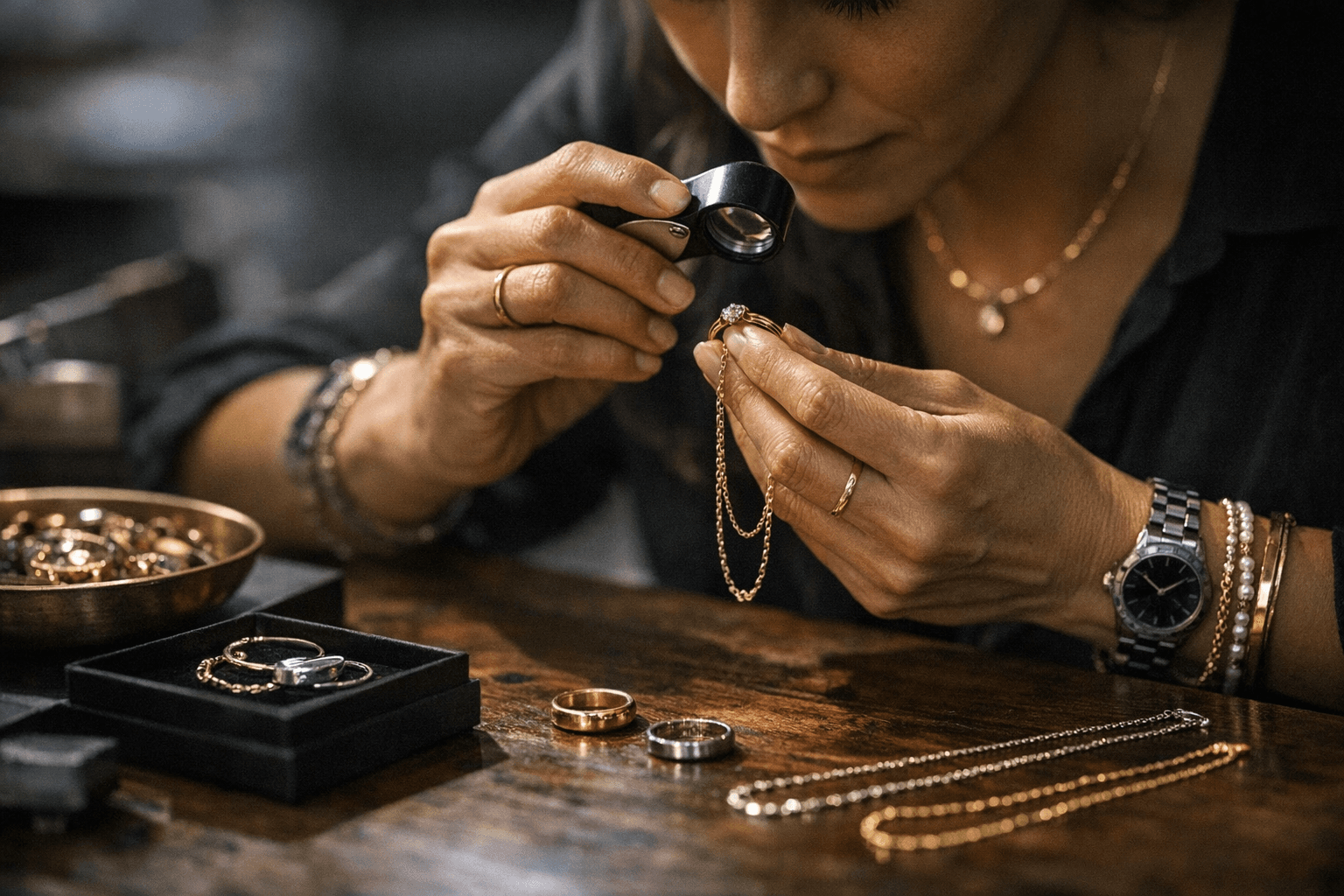
Where to buy: the smart mix of boutiques and online sources The market for non‑tarnish, everyday jewelry is broad: established boutiques, demi‑fine label websites, and vetted marketplaces each play a role. Sunrisebling lists sensible starting points—brand websites such as Sunrise Bling Jewelry, Atolea, and Hey Harper—alongside “Amazon trusted sellers” and “Etsy handmade non tarnish shops.” For tactile certainty, local jewelry boutiques and department store fine jewelry counters remain valuable for examining finishes and confirming stamps in person. Small businesses and specialist online boutiques also often provide fuller material descriptions; Darlinganddivine urges buyers to “Check product descriptions for materials like gold‑filled, stainless steel, and rhodium‑plated metals.”
Market signals: why tarnish resistance matters now Consumer demand is not hypothetical. Sunrisebling reports that “Non tarnishing jewelry has become one of the most in‑demand accessories in modern fashion, with 68% of shoppers actively seeking tarnish‑resistant pieces for daily wear according to 2025 jewelry industry reports.” The demographic is broad—“Active people; Travelers; People with sensitive skin; Anyone tired of replacing faded jewelry.” The segment’s commercial growth is reflected in forecasts: the broader demi‑fine market “is expected to reach USD 6.31 billion by 2032,” and search interest for “waterproof jewelry” “has more than doubled in the past 24 months.”
Vendor claims to weigh and verify Brands make confident material claims that should be read as vendor statements rather than unconditional guarantees. For example, Velanijewelry promotes its line by noting, “Gold‑filled jewelry, such as Velani’s 18K gold‑filled pieces, is more tarnish‑resistant than gold‑plated jewelry,” and adds that Velani’s use of 18K gold‑filled over brass “enhances its hypoallergenic and waterproof properties, making it a superior option for everyday wear.” Coquí el Original advertises customer conveniences—“Free Shipping to US” and contact phone “(787) 721‑3366”—and an on‑brand image (“Woman wearing two silver Coquí frog necklaces…”). Treat such assertions as useful guidance, and seek product specifics (thickness of gold layer, PVD process details, rhodium thickness) if you need absolute assurance.
Reconciling practical contradictions On certain points sources diverge, especially around water exposure. Some vendors state their pieces are waterproof; others prudently advise minimizing contact with water. The balanced takeaway: material and finish dictate performance—high‑karat solid gold, properly rhodium‑plated sterling, PVD‑treated stainless steel, titanium, and well‑made gold‑filled pieces will resist tarnish far better than untreated brass or thinly plated base metals—but no finish is invulnerable to harsh chemicals or prolonged immersion without appropriate specifications.
Final note: buy for science and for use Everyday jewelry is where aesthetics and metallurgy meet. Prioritize 14K+ solid gold or high‑grade platinum if you want near‑permanent color and patina; choose 316L/PVD‑treated stainless steel, titanium, or a thick gold‑filled layer when cost, durability, and hypoallergenicity matter. Read labels for stamps like P and GF, check warranties and long‑term reviews, and apply simple care—rinse and pat dry; avoid bleach and abrasives—and your daily pieces will keep their story and their shine for years to come.
Know something we missed? Have a correction or additional information?
Submit a Tip