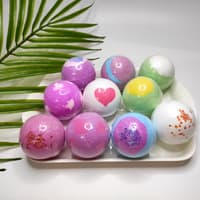
Choose the right bath-bomb molds to cut waste and speed production
This guide explains how to pick and care for bath-bomb molds to reduce waste, improve release, and speed small-batch production. Practical tips cover materials, sizes, release, cleaning, and troubleshooting.
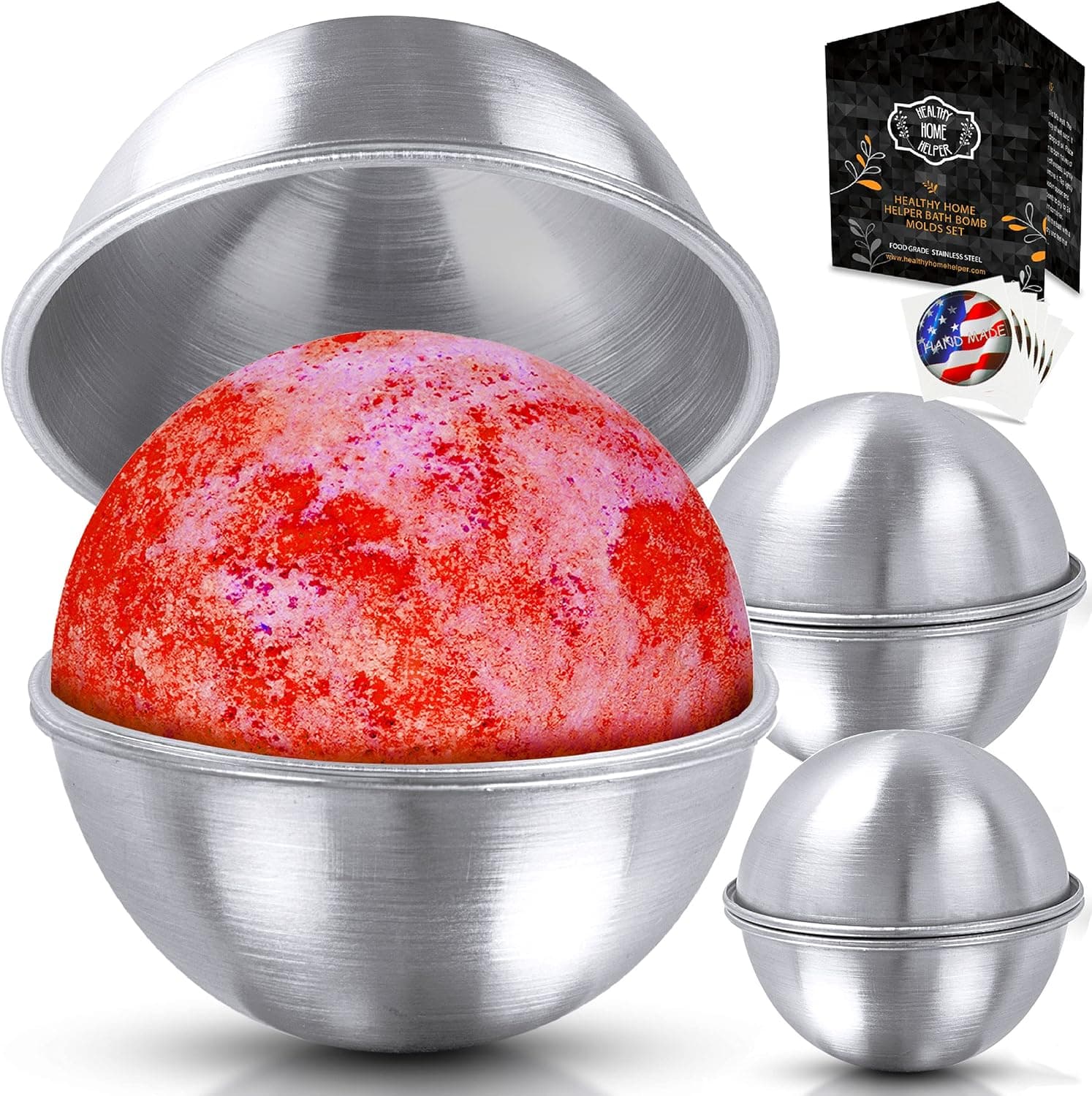
Picking the right mold is one of the fastest ways to improve consistency, reduce waste, and speed production. Mold material, size, and handling affect release, cure time, and final fizz more than most hobby tweaks, so choose carefully and standardize your setup.
Silicone, hard plastic, and 3D-printed molds each have clear roles. Food-grade silicone is flexible, forgiving, and best for detailed novelty shapes because the flexibility makes release easier. Hard plastic is cheaper and works well for simple spheres but demands careful release technique and can warp if exposed to prolonged heat or sun. 3D-printed molds let you create custom shapes, but watch layer lines that can leave texture on the bomb and confirm the filament or resin is food-safe or resin-safe before use.
Size matters. Common hobby sizes run from about 1.5 to 4 ounces. Larger molds need longer cure times and usually more binder or oils to hold the structure; they are also more likely to crack if the recipe and packing technique are not adjusted. Choose a scale and stick to a single mold size while refining a recipe so the math on binder percentages and cure times stays consistent.
Release and finishing are often what make or break a batch. For stubborn plastic molds, a very light dusting of cornstarch or a smear of vegetable oil can help demold without ruining the fizz. Avoid petroleum-based oils, which can interfere with the reaction that creates the fizz. Allow bombs to dry fully before unmolding, plan on 24 hours or more depending on humidity and the mold volume.
Cleaning and storage are small steps that prevent big headaches. Wash silicone molds with mild soap, rinse thoroughly, and let dry completely before nesting or storing. Store all molds in a cool, dry, dark place and keep nested molds separated by tissue to avoid sticking. Avoid prolonged sun or heat exposure for plastic molds to prevent warping.

Troubleshooting is straightforward when you know the signs. Cracked bombs usually indicate a mixture that was too dry or overpacked. Soft, crumbly bombs benefit from slightly more binder or a higher-pressure press to compact the mix. Discoloration often points to moisture ingress or using too much dye concentrated in one area.
Sourcing and sustainability choices affect long-term costs. Buy food-grade silicone where possible, check seller lead times, and consider second-hand or trade groups for discontinued molds to keep costs down and reduce waste. For reliable small-batch production, start with a two-piece 2-inch plastic sphere, a couple of silicone novelty molds such as flower or heart shapes, and an inexpensive compact press for repeatable batches.
Nail the mold choice and the basics of release and storage, and you’ll see fewer rejects, faster turnaround, and cleaner designs. Track changes to binder, packing pressure, and cure time as you standardize, and the fizz factor will follow.
Know something we missed? Have a correction or additional information?
Submit a Tip