Choosing the right paddle can transform your pickleball game
Your first paddle affects comfort, injury risk and how fast you learn. Prioritise control and ergonomics, demo before buying, and match weight to your play style.
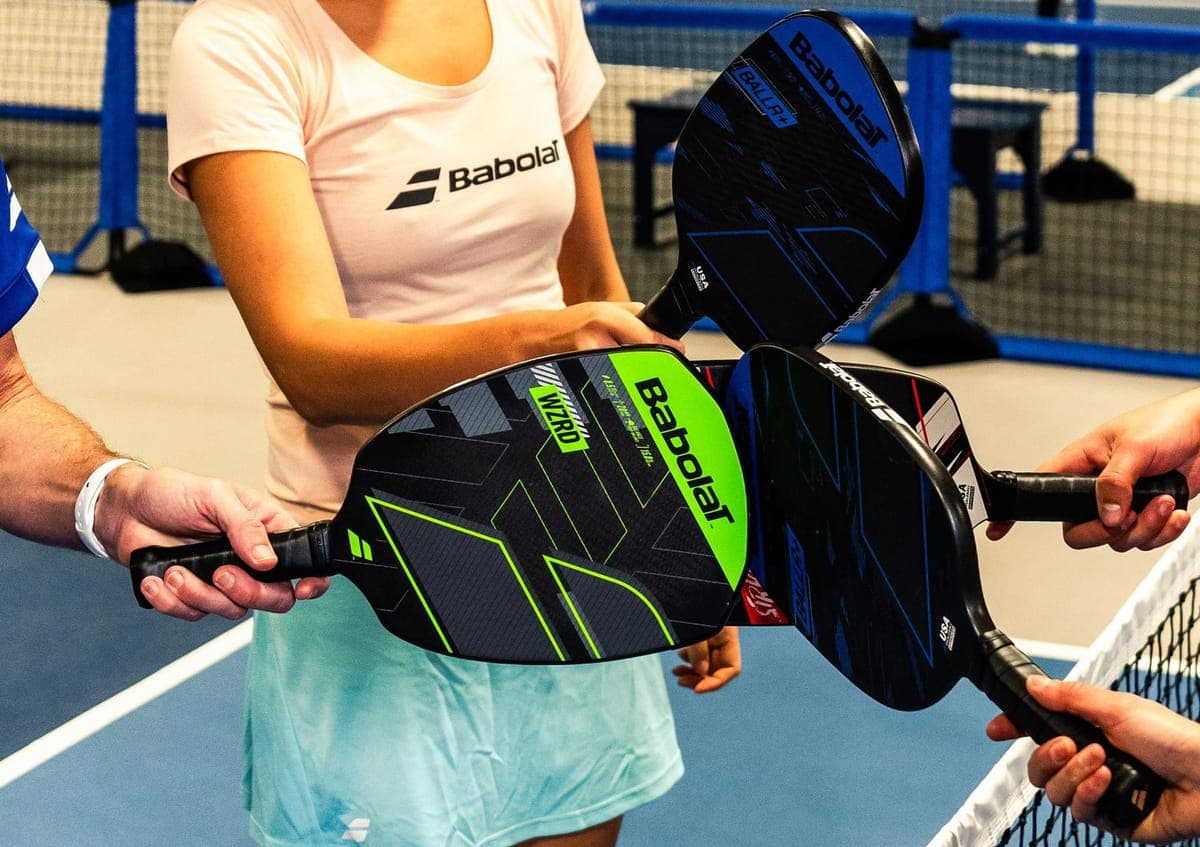
Picking the right paddle is one of the quickest ways to improve comfort, reduce injury risk and speed up your early progress on court. New players who chase power or the flashiest brand often struggle with elbow and shoulder fatigue, inconsistent touch at the kitchen, and a steeper learning curve. Start by prioritising control, forgiveness and a grip that fits your hand.
Shape and size determine forgiveness and reach. Standard rounded paddles and widebody models offer larger sweet spots and are friendlier for beginners. Elongated shapes add reach and pop, but narrow the sweet spot and demand cleaner contact. Weight matters: most paddles sit between about 6.5 and 8.5 oz, roughly 185 to 240 g. Aim for lighter paddles in the 6.5–7.5 oz band for easier dinking and less strain on the arm; heavier paddles above 7.5 oz deliver more power but can fatigue wrist and shoulder sooner.
Core and face materials change feel and performance. Polymer honeycomb cores are quiet and forgiving, making them excellent first paddles. Foam cores give extra dwell and softer touch and are gaining popularity, often at higher price points. Nomex cores are stiffer and favour players chasing power. Carbon-fibre faces are durable with a crisp response, while fiberglass faces soften touch and help delicate shots. Test both pop and touch so you can tell what fits your game.
Grip size is a frequent overlook that directly affects injury risk. Measure around your dominant hand with the paddle handle in a relaxed handshake grip; you should be able to fit about the width of a finger between your fingers and palm when gripping. Too-large grips can stress the wrist, while too-small grips let the paddle rotate. Check edge guards and overall durability if you play outdoors or scrape the sides often.
If you intend to compete, verify tournament legality with your national body or the USA Pickleball approved list. For social players this is less critical but still worth noting if you plan to enter sanctioned events later.
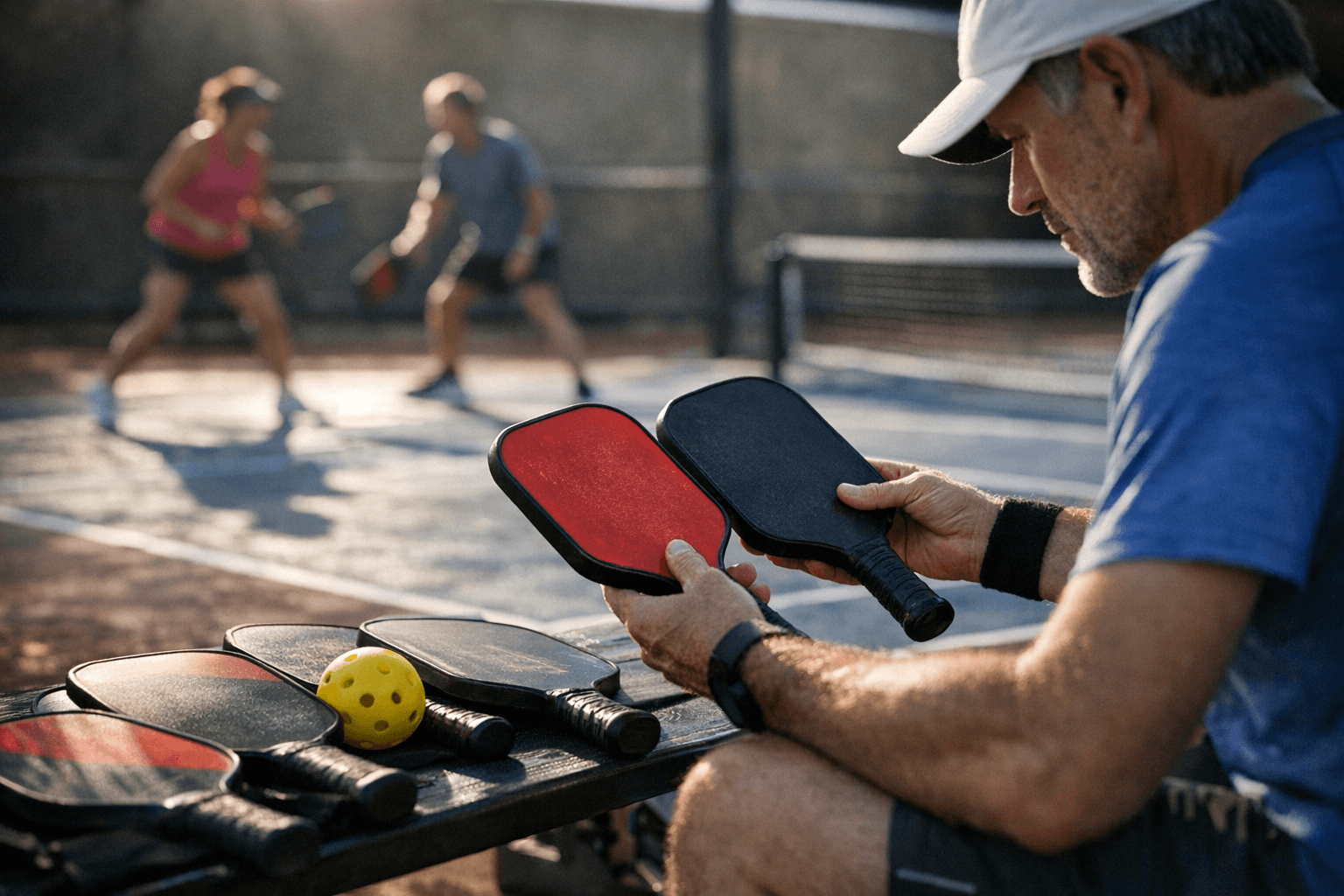
Practical buying advice in Asia: try before you buy. Many clubs and retailers in larger cities run demo programs. Expect price bands from budget at USD 20–40, mid-range USD 70–150, to premium above USD 150. For a first solid paddle aim mid-range for the best balance of durability and playability. Shop at local specialty stores, dedicated pickleball retailers, regional e-commerce platforms like Shopee, Lazada and Tokopedia, or brand stores from JOOLA, Franklin, Volair, ProKennex and Spartus. Check shipping, warranty and return policies.
Care and common mistakes matter. Keep paddles out of extreme heat or cold, replace grips when worn to avoid blisters and loss of control, and retire paddles with deep face separations or cracked cores. Avoid buying the fanciest paddle first, ignoring grip size, or chasing power before you master dinking and footwork.
Bring a short checklist to demos: your dominant hand grip circumference, a sense of preferred weight, and ask to compare a polymer-core widebody against a midweight carbon-face composite to judge touch versus pop. Nail these basics now and you’ll find more consistent rallies, fewer aches and a paddle that actually helps you win points at the kitchen.
Know something we missed? Have a correction or additional information?
Submit a Tip