CIA halts some Iran war intelligence assessments amid turf dispute
The CIA’s split with ODNI has begun to cut it out of some Iran war assessments, raising the risk that presidents get thinner intelligence just as the conflict intensifies.

The CIA has stopped contributing to some intelligence assessments tied to the Iran war, a break inside Washington’s national security machinery that now risks leaving the White House with less integrated analysis at a moment of active conflict. The fight is centered on who leads assessments, who shares what, and which office controls the flow of intelligence up to senior policymakers.
People familiar with the dispute say the rift has moved beyond routine bureaucratic friction and into a breakdown in cooperation between the Central Intelligence Agency and the Office of the Director of National Intelligence. That matters because the intelligence community is supposed to work as a single system: collect information, analyze it, and deliver foreign intelligence and counterintelligence to U.S. leaders so they can make sound decisions. When one of the most important agencies steps back from joint assessments, the result is not just an internal quarrel in Washington, D.C.; it can change the product that reaches the president, Cabinet officials, military planners and lawmakers.
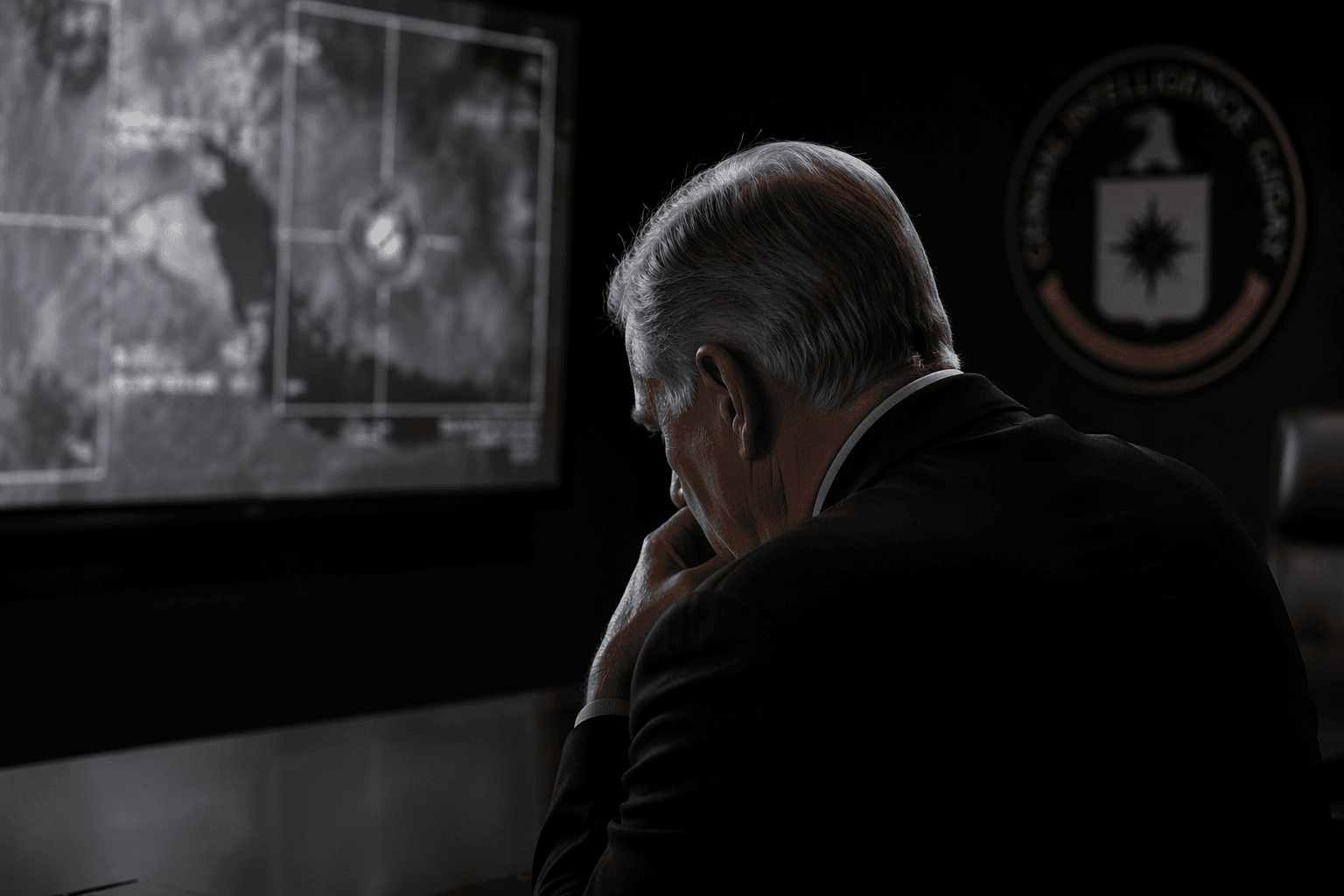
The stakes are especially high in the Iran file. The 2026 Iran war began on February 28, 2026, and has driven demand for assessments on Tehran’s nuclear program, military posture and the regional fallout. In March, Director of National Intelligence Tulsi Gabbard said the intelligence community assessed that Iran was not rebuilding enrichment capabilities before the war, underscoring how politically sensitive and strategically important these judgments have become. If the CIA is no longer fully participating in some of the assessments produced by ODNI, the government’s top-line picture of Iran could become narrower just as the conflict is generating more urgent intelligence needs.
The dispute also cuts against the very design of the intelligence system after the failures exposed by the 9/11 Commission and the Intelligence Reform and Terrorism Prevention Act, which created ODNI to improve operational integration and collaboration across the community. ODNI’s own 2026 Annual Threat Assessment says it reflects the collective insights of the intelligence community and is meant to provide timely, actionable intelligence to policymakers and service members. On March 18, Gabbard said, “I’m here today to present the 2026 Annual Threat Assessment, joined by the directors of the CIA, FBI, DIA, and NSA,” a reminder of how central interagency coordination is supposed to be.
The CIA’s Directorate of Analysis says it provides timely and objective intelligence analysis on key national and foreign policy issues. That mission now sits in direct tension with a feud that is affecting Iran-related work. If the CIA and ODNI cannot settle their turf dispute, the cost will not be measured in bureaucratic pride but in the completeness, credibility and unanimity of the intelligence that reaches the people making war decisions.
This article was produced by Prism’s automated news system from verified source data, official records, and press releases, then run through automated quality and moderation checks before publishing. The system is built and supervised by the people who set the standards it runs under. Read our full AI policy.
Know something we missed? Have a correction or additional information?
Submit a Tip