Cigna will drop Wegovy and Zepbound from employee coverage
Cigna told employees it will stop covering Wegovy and Zepbound on July 1, a sign more employers are weighing GLP-1 costs against long-term obesity care.
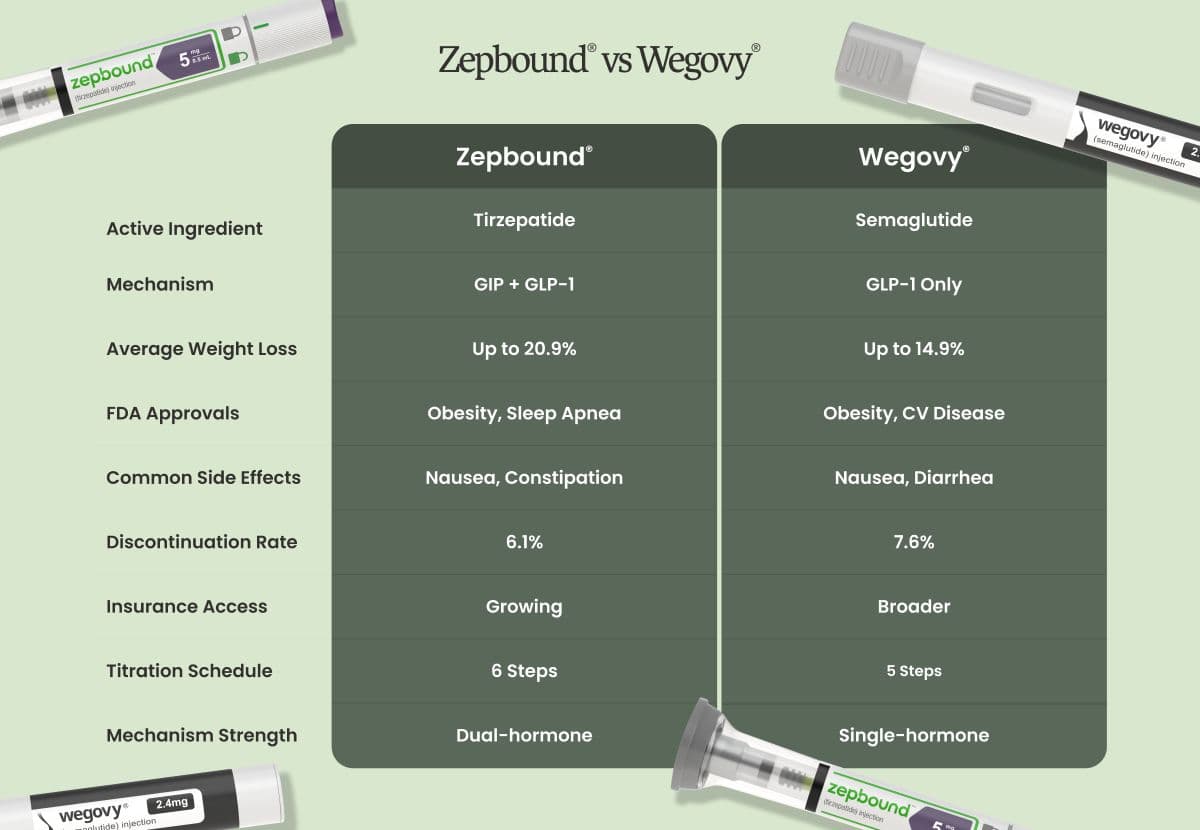
Cigna told employees it will stop covering popular GLP-1 weight-loss drugs, including Wegovy and Zepbound, in its employee health plan beginning July 1, a shift that puts one of the most closely watched drug classes in U.S. health care back behind a cash-pay wall. The change was sent in an email on June 1 and confirmed by a company spokesperson.
The decision does not affect GLP-1 drugs used to treat diabetes, and it does not change Cigna’s broader business outside its own employee plan. But for workers who have been relying on coverage to blunt the high sticker price of obesity treatment, the move leaves a familiar choice: pay out of pocket or walk away from therapy that can produce substantial weight loss and has drawn intense clinical interest for its possible metabolic benefits.
Cigna said the pullback reflects a market that has changed since GLP-1s first surged into mainstream use. Availability has increased, new options have emerged, and the company said it still intends to support workers through other weight-management programs and resources. It also told employees they could buy the drugs through manufacturer channels or TrumpRx, but those purchases would not count toward deductibles or other coverage thresholds, limiting their ability to help workers move through the rest of their health plan.
The move fits a broader employer recalibration that has been building as weight-loss medicines strain benefit budgets. Mercer’s 2026 survey found that 51% of large employers planned to increase cost-sharing in 2026, and 77% said the cost of weight-loss drugs was a top concern. That pressure is pushing companies to decide whether obesity treatment should remain a guaranteed benefit when demand is rising faster than budgets can absorb it.
The White House launched TrumpRx on February 5, 2026, as a direct-to-manufacturer pricing portal for some prescription drugs, including GLP-1 medicines, adding another channel outside traditional insurance. Novo Nordisk offers savings through NovoCare, and Eli Lilly has direct-pay and savings options through LillyDirect and a savings card. Together, those programs show how the market is shifting: the drugs remain medically important, but employers are increasingly treating coverage as optional when the cost becomes too hard to carry.
This article was produced by Prism’s automated news system from verified source data, official records, and press releases, then run through automated quality and moderation checks before publishing. The system is built and supervised by the people who set the standards it runs under. Read our full AI policy.
Know something we missed? Have a correction or additional information?
Submit a Tip