Clarifying services and jurisdictions in Menominee County for residents
A primer outlines where to go for county and tribal services in Menominee County and why knowing which office to contact matters for records, elections and benefits.

Menominee County residents seeking government services often face a basic but consequential choice: county office or tribal office. With Keshena as the county seat and the county largely coextensive with the Menominee Indian Reservation, the overlap between Menominee County and the Menominee Indian Tribe of Wisconsin shapes access to education, health care, housing and municipal services across Keshena, Neopit and Zoar.
The county’s official website, co.menominee.wi.us, is the central clearinghouse for county business. It posts contact information, minutes and agendas, election details and listings for county boards and committees. For municipal functions administered by the county, public records, county-level permits and meeting notices, the county site and the county clerk’s office are the proper starting points. At the same time, many day-to-day services that affect reservation residents are run by tribal government and tribal enterprises, including education, health and housing programs.
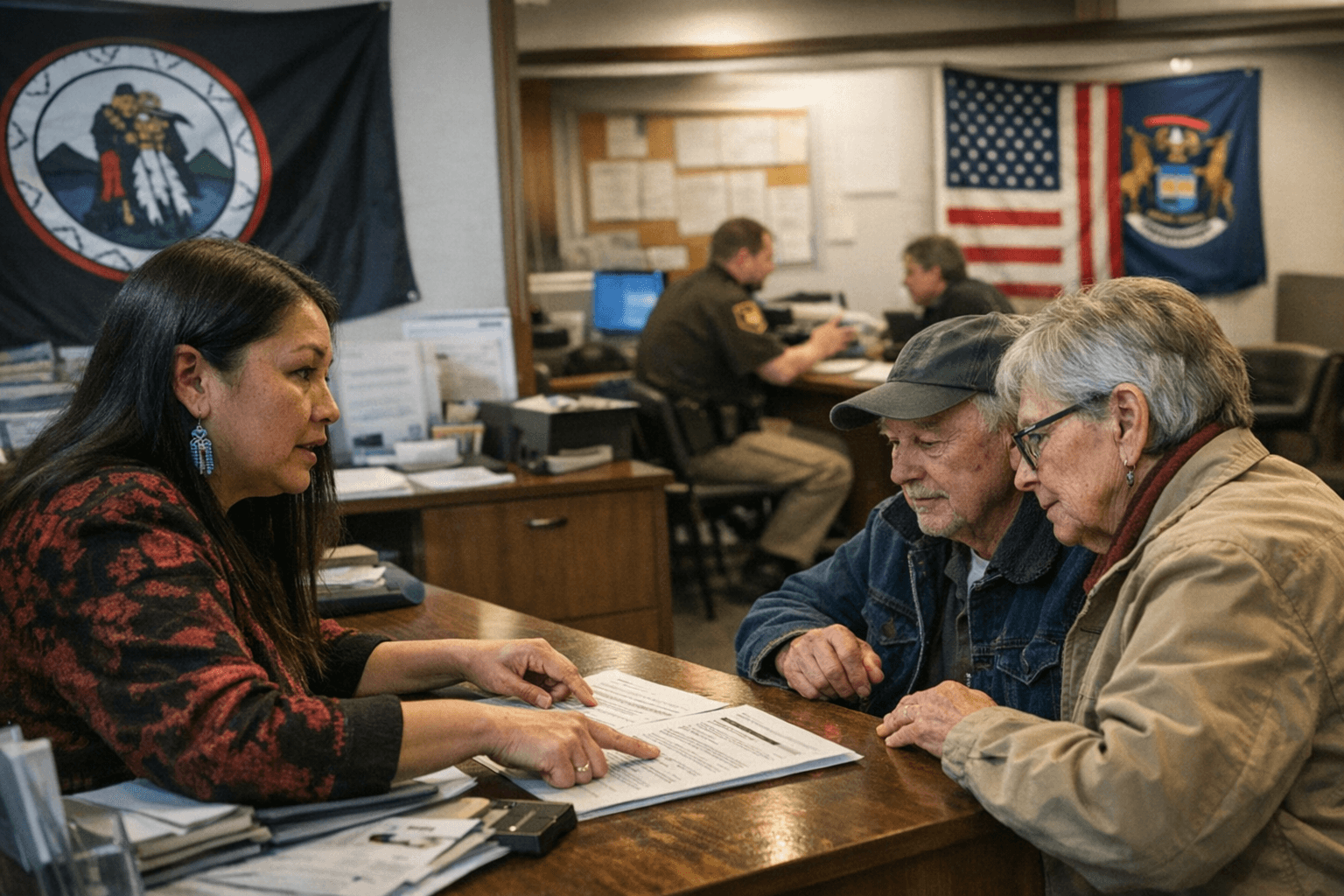
This dual system has practical implications. Residents trying to obtain public records, register for elections, apply for social services or pursue a business permit must choose the right institutional door. For records and county meeting business, the county clerk holds town and county records and manages agendas and minutes. For health services, education programs and certain housing supports, tribal offices and enterprises such as the College of Menominee Nation and Menominee Tribal Clinic are primary points of contact. Economic development efforts are anchored locally by Wolf River Development Company, which coordinates business and investment activities relevant to both tribal and nontribal residents.
The institutional overlap requires routine coordination between county and tribal authorities. Clear communications from both governments helps avoid administrative delays that can affect voter registration deadlines, benefit applications and small business permitting. For civic engagement, residents should monitor the county website for meeting calendars and notices, and follow tribal office announcements for program enrollments and clinic hours. Reporters and residents alike will find that checking both county and tribal official pages produces the most current contact information and schedules.
Policy-wise, the arrangement points to opportunities and challenges. Stronger intergovernmental coordination could streamline service delivery and reduce confusion around jurisdictional responsibility. Transparent posting of contact points and consistent outreach prior to elections and program deadlines would improve civic participation and access to services across the reservation and county communities.
For residents, the immediate step is pragmatic: know which office handles your issue. Use the county website for county records, meetings and elections and turn to tribal institutions for health, housing and education programs. Staying informed about meeting calendars and posting updates will be essential as county and tribal governments continue managing shared responsibilities that affect everyday life in Menominee County.
Know something we missed? Have a correction or additional information?
Submit a Tip