Class action says McRib marketing misleads customers about meat
A federal class action alleges McDonald's marketing leads consumers to expect pork ribs in the McRib. The suit could affect labeling, store training, and franchise operations nationwide.
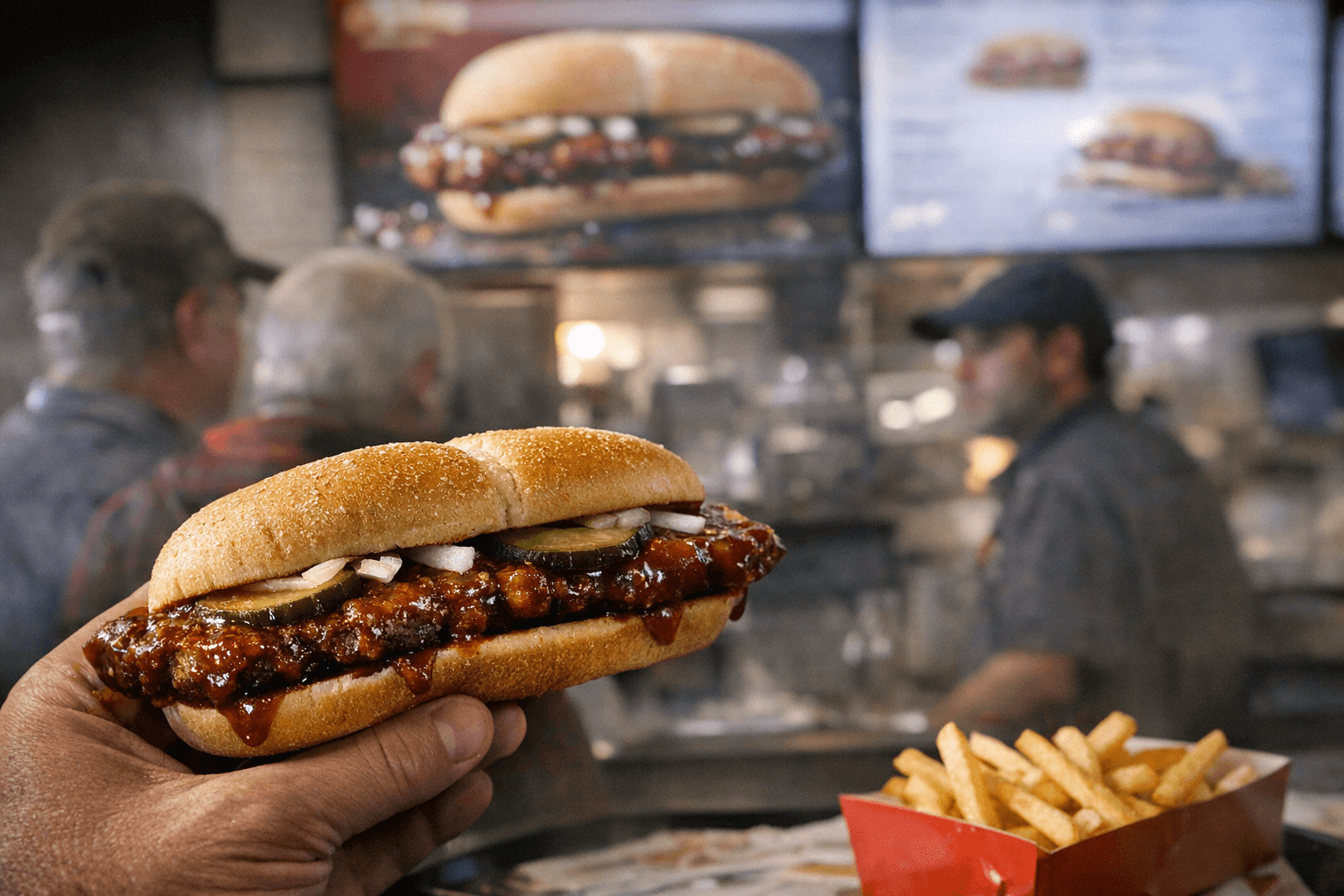
A federal class-action complaint filed late last year accuses McDonald's of marketing the McRib in a way that misleads reasonable consumers into believing the sandwich contains pork rib meat rather than a formed pork patty made from other cuts.
The complaint was filed Dec. 23, 2025, in the U.S. District Court for the Northern District of Illinois and became publicly visible in mid-January 2026. Plaintiffs say the McRib patty is constructed from lower-grade pork portions such as shoulder, heart and other organ cuts, and they bring claims including fraudulent omission, negligent misrepresentation, breach of contract and violations of state consumer-protection laws across several jurisdictions.
Plaintiffs are seeking class certification for purchasers of the sandwich over the prior four years, restitution, injunctive relief and unspecified damages. If certified, the class could encompass millions of transactions and prompt broad discovery into McDonald's product descriptions, supplier agreements and marketing practices.
McDonald's responded to the complaint with a public statement that the suit “distorts the facts,” reiterating that the McRib is made with 100% pork and pointing to the chain's menu description of the item as “seasoned boneless pork.” The company has not said whether it will seek to move to dismiss the complaint or negotiate a settlement.
For frontline workers and franchisees, the lawsuit raises practical questions beyond corporate legal strategy. Store managers and crew members may face increased customer questions about ingredients and sourcing, and franchise operators could see higher administrative burdens related to handling refunds, customer complaints and potential temporary menu changes if courts order additional disclosures. Legal costs and any operational directives from corporate could also affect franchise margins and decision-making at store level.
The case highlights tensions that frequently surface in quick-service operations: balancing concise, appetizing menu language with accuracy about ingredients; coordinating supply chains that use processed or formed products; and managing consumer expectations in an era when buyers increasingly scrutinize food sourcing. A requirement for more explicit labeling or a court-ordered injunction could force menu text changes, retraining of staff on product descriptions and adjustments in marketing copy.
Next steps include motions over class certification and discovery that could probe McDonald's ingredient specifications and marketing materials. For employees and franchise operators, the immediate takeaway is to expect guidance from corporate or local franchisors on how to respond to customer inquiries and complaints, and to watch for any operational directives that follow legal developments. What unfolds in court will determine whether this becomes a narrow consumer dispute or a broader test of how fast-food chains disclose what goes into iconic menu items.
Know something we missed? Have a correction or additional information?
Submit a Tip