Classified Video of U.S. Boat Strike Shows Survivors Killed, Lawmakers Alarmed
Lawmakers who viewed classified footage of a September 2 strike at sea told colleagues the video appeared to show survivors being killed after the initial attack, prompting bipartisan alarm and urgent calls for oversight. The briefing by Admiral Frank Bradley exposed starkly different public responses, and has intensified an ongoing inquiry into the strikes and the chain of command that authorized them.
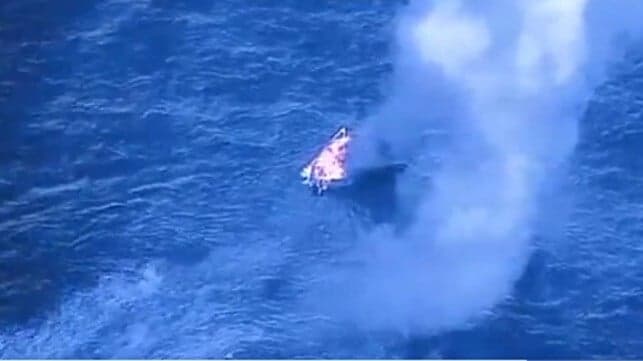
Lawmakers who viewed a classified video of a September 2 U.S. strike at sea said the footage appeared to show survivors being killed after the initial attack, setting off a wave of concern across the political spectrum during a December 4 briefing by Admiral Frank Bradley. The session, described by attendees, produced sharply different public reactions, with some Republicans defending the operation as justified in response to a continuing drug running threat, while Democrats pressed for a formal investigation into whether subsequent strikes violated the laws of armed conflict.
The classified briefing has added new urgency to an existing inquiry into both the tactical decisions in the field and the chain of command that authorized the strikes. Lawmakers who saw the video urged either the public release of the footage or the release of further documentation to allow independent assessment. That demand reflects broader tensions over transparency and oversight in military operations that take place far from the American public eye.
The core legal and policy questions are clear. International humanitarian law requires distinction between combatants and civilians, and prohibits attacks on persons who are hors de combat. If survivors were targeted after an initial engagement ended, investigators will need to determine the facts on the ground, the rules of engagement in effect at the time, and the orders that guided follow up actions. The Department of Defense and relevant oversight committees now face the task of reconciling operational imperatives with legal obligations.
Republican defenders of the strike framed the operation as part of a sustained effort to disrupt maritime drug trafficking that poses regional security risks. In that view, commanders must have latitude to engage vessels that present continuing threats to U.S. personnel and partner nations. Democrats, by contrast, emphasized the need for accountability if the follow up strikes breached legal limits, arguing that adherence to the laws of armed conflict is central to U.S. legitimacy and to preventing escalation.

Beyond legal review, the episode raises institutional questions about how classified operational materials are used in congressional oversight. Lawmakers who saw the video expressed frustration that their access to documentation remains limited to closed briefings, constraining their ability to satisfy constituents and to conduct meaningful oversight. Calls for declassification or selective release of material now face a balance between operational security and public accountability.
The incident is likely to prompt concrete congressional actions, including requests for additional classified briefings, formal investigations by relevant committees, and potential demands for after action reports and communications logs that trace decision making. It may also lead to policy reviews of engagement protocols for maritime interdiction operations, as lawmakers evaluate whether current safeguards and command oversight are sufficient.
For the public, the controversy underscores the democratic stakes of modern military operations. When lethal force is applied in remote theaters under classified rules, transparency and credible oversight become the principal mechanisms for ensuring that government power remains consistent with law and public values. The inquiry into the September 2 strikes will test those mechanisms and determine whether institutional changes are needed to prevent similar incidents in the future.
This article was produced by Prism’s automated news system from verified source data, official records, and press releases, then run through automated quality and moderation checks before publishing. The system is built and supervised by the people who set the standards it runs under. Read our full AI policy.
Did this article answer your question?