Claude Lemieux’s brain donated to Boston University CTE Center
Claude Lemieux’s brain will help Boston University study repetitive head trauma, adding a posthumous donation to hockey’s growing reckoning with CTE.

Claude Lemieux’s brain is being donated to the Boston University CTE Center, a posthumous decision that places one of hockey’s most polarizing champions inside the science trying to measure the sport’s long shadow. His family said the donation is meant to help researchers better understand the long-term effects of repetitive brain injuries.
The statement, released Saturday by daughter Claudia Lemieux Bishop, came two days after Lemieux died Thursday, May 28, 2026, at age 60. Authorities said Lemieux died by suicide. In the family’s words, “By allowing his name to be connected to this research, we hope his life can contribute to greater understanding, more honest conversations and better protection for athletes and families in the years ahead.”
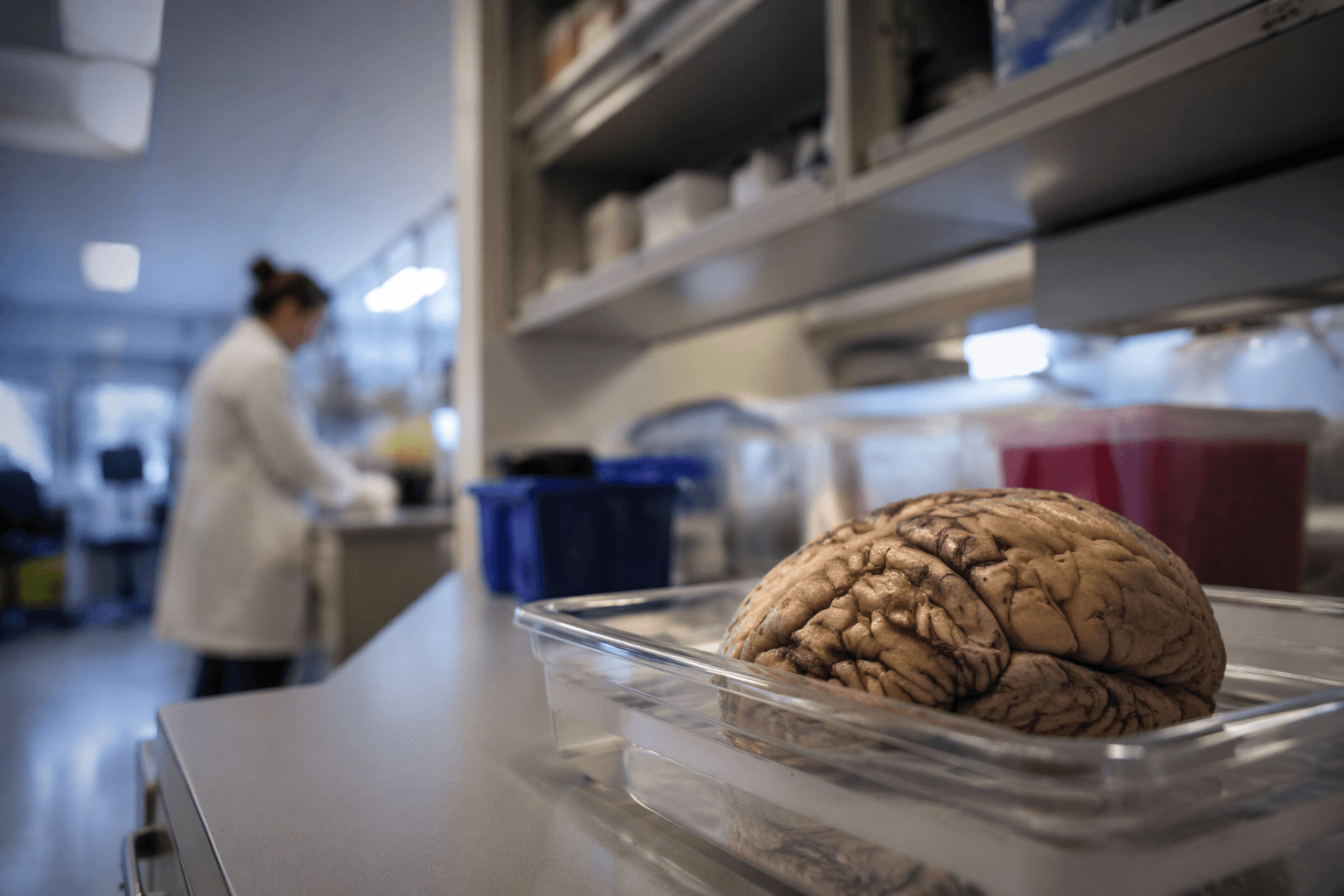
At Boston University, the donation will feed work at a center that studies chronic traumatic encephalopathy and other consequences of repeated brain trauma in athletes, military personnel, first responders, victims of physical violence and others affected by head trauma. BU says its UNITE Brain Bank is the largest tissue repository in the world focused on traumatic brain injury and CTE. The university also says brain donation is time-sensitive, with a 24/7 donation line and a full-time coordinator to help families move quickly after death. Families later receive a written neuropathology report, usually about a year after the donation.
Lemieux’s career gave the donation unusual reach. He played 21 NHL seasons and won four Stanley Cups, with Montreal in 1986, New Jersey in 1995 and 2000, and Colorado in 1996. He also won the Conn Smythe Trophy in 1995 as playoff MVP. Born July 16, 1965, in Buckingham, Quebec, Lemieux built a reputation as both a clutch scorer and a relentless irritant, a player NHL.com once described as a “world-class pest and irritant.”
His family’s decision reflects how the culture around brain trauma in sports has shifted. For years, leagues resisted the idea that repeated hits could cause lasting damage. Now families, former players and researchers are increasingly treating posthumous donations as essential evidence, especially in hockey, where the conversation has often trailed football but has become harder to avoid.
Lemieux’s donation broadens that debate beyond one sport. BU’s research program is built around traumatic brain injury across football, hockey, military service, public safety work and violence exposure, underscoring that the science of CTE is no longer confined to the NFL. In that sense, his brain will become part of a larger record of how repeated trauma can shape lives long after the final whistle.
This article was produced by Prism’s automated news system from verified source data, official records, and press releases, then run through automated quality and moderation checks before publishing. The system is built and supervised by the people who set the standards it runs under. Read our full AI policy.
Did this article answer your question?
.jpg&w=1920&q=75)