Clinton says Biden should have stepped aside, claims open primary would beat Trump
Clinton said Biden should have exited by late summer 2023, arguing an open primary would have produced a nominee who could beat Trump.

Hillary Clinton used a live interview in New York City to reopen one of the Democratic Party’s sharpest postmortems: whether Joe Biden’s decision to seek reelection cost the party its best chance to stop Donald Trump. Clinton said Biden made “a terrible mistake for himself, his legacy, and for the country” by running again, and argued that if he had “passed the torch” early enough for a competitive primary, the eventual nominee “would have beaten Donald Trump.”
The remarks came Monday, June 15, 2026, during a taping of The New Yorker Radio Hour with editor David Remnick at the 92nd Street Y. Clinton’s critique was pointed and specific. She said Biden should have stepped aside by late summer 2023, before the race hardened around an incumbent whose age and fitness would dominate the 2024 campaign.
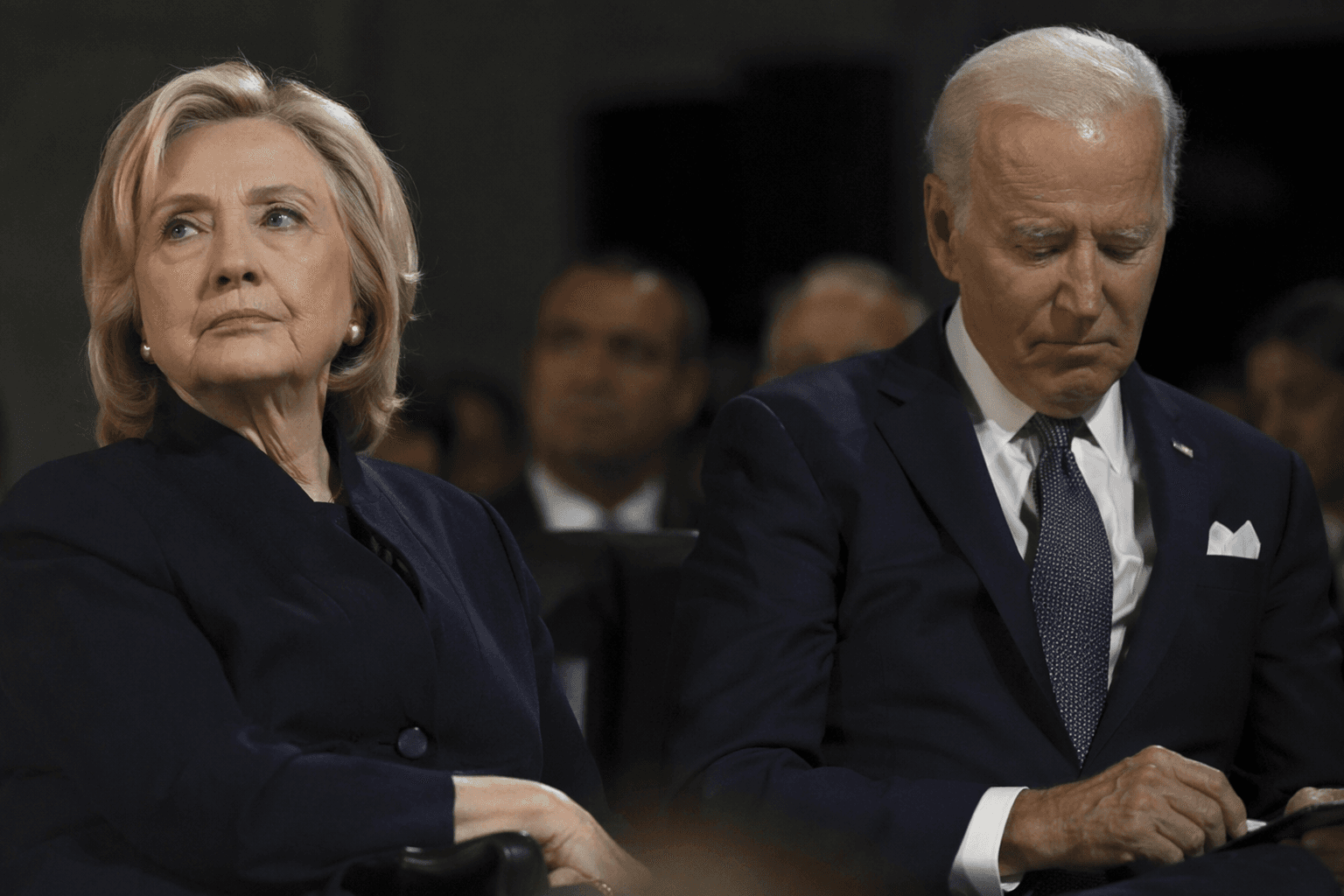
Biden had announced his reelection bid on April 25, 2023, with Vice President Kamala Harris on the ticket. More than a year later, after a disastrous June 27, 2024 debate against Trump intensified concerns about his stamina and judgment, Biden withdrew from the race on July 21, 2024. He then endorsed Harris, who became the nominee without a traditional open primary or a contested partywide selection process.
That sequence has become central to the Democratic Party’s argument over 2024. Clinton’s comments do not just revisit Biden’s decision; they underscore a broader effort inside the party to assign responsibility and redefine succession after a defeat that left many Democrats questioning whether party leaders protected an incumbent for too long. The issue now reaches beyond a single campaign and into the first stages of the 2028 contest, where the party’s next standard-bearer may be shaped as much by lessons drawn from 2024 as by any early favorite.
The general-election result gave the criticism added force. Trump defeated Harris 312 electoral votes to 226, swept all seven battleground states, and later became only the second president in United States history to win non-consecutive terms. The certified tally, as recorded by the National Archives, closed the race without unrest, but it left Democrats confronting how much damage had already been done before Harris became the nominee.
Clinton’s intervention suggests the blame game is still far from settled. For Democrats looking ahead to 2028, the question is no longer only what went wrong in 2024. It is who gets to define the party’s next chance at power.
This article was produced by Prism’s automated news system from verified source data, official records, and press releases, then run through automated quality and moderation checks before publishing. The system is built and supervised by the people who set the standards it runs under. Read our full AI policy.
Did this article answer your question?

