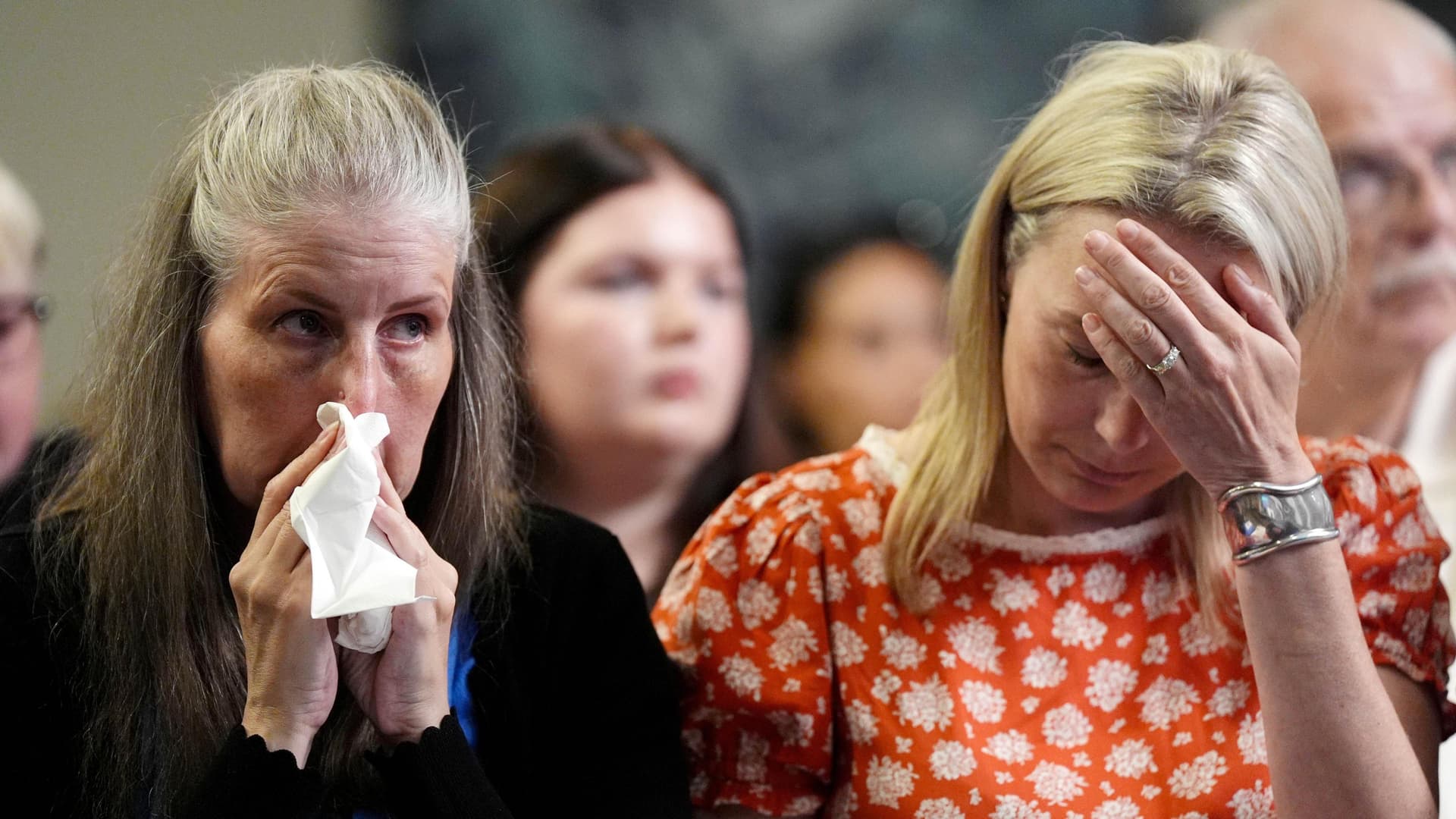
CMS tightens Medicaid work exemptions, sick adults must prove inability to work
Sick Medicaid enrollees will have to document why they cannot work, and advocates warn the paperwork itself could cut off cancer and HIV patients from care.
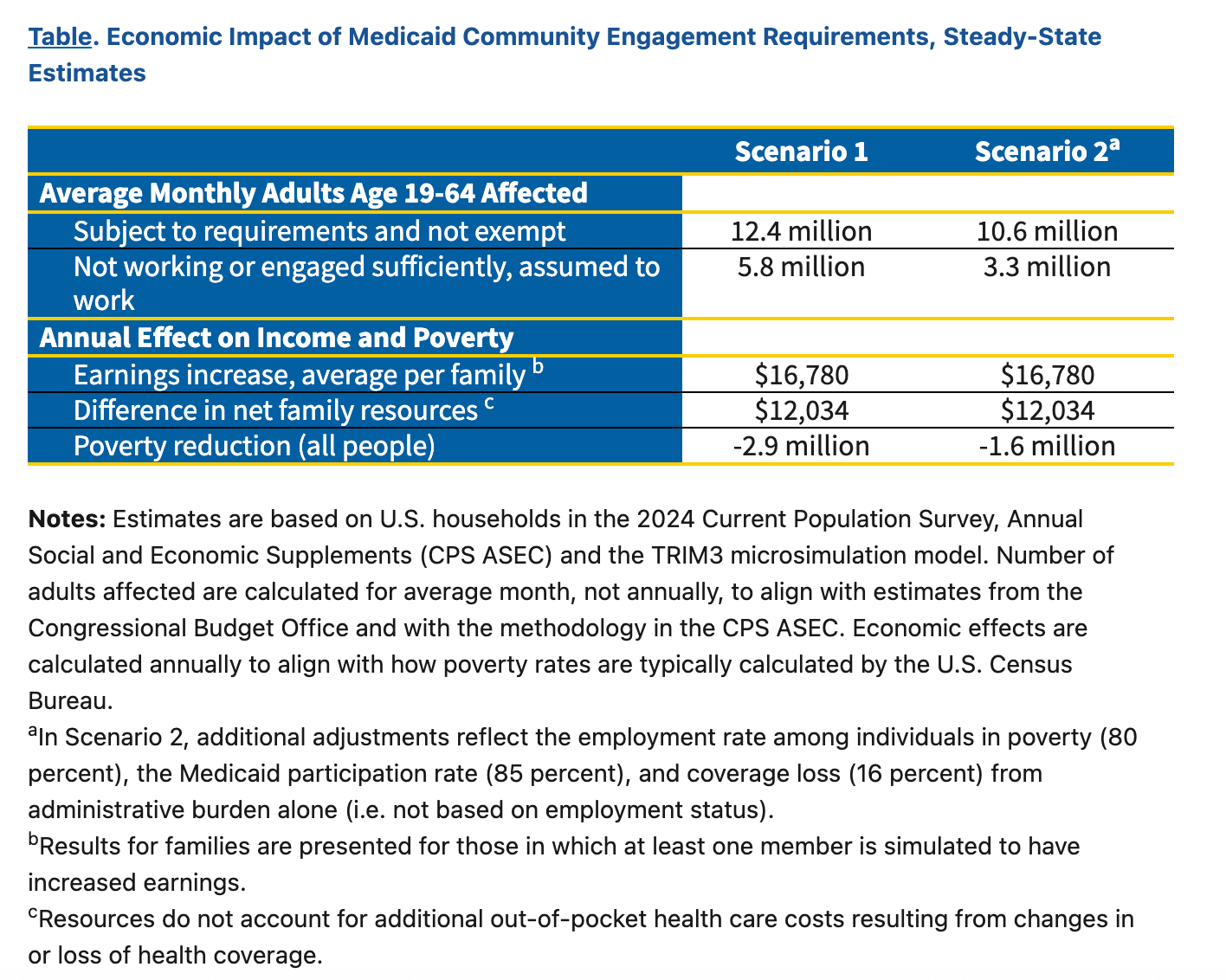
The new Medicaid work rule turns illness into a paperwork test. Adults ages 19 to 64 in expansion and certain waiver populations must meet 80 hours a month of work, education, work programs or community service, and people seeking an exemption for serious illness will have to prove the condition actively interferes with their ability to work.
The Centers for Medicare & Medicaid Services issued the interim final rule on June 1, 2026, and states must have it in place by January 1, 2027. CMS said the rule sets the exemption standards, how states must verify them, and how states must report compliance, a sweeping administrative change that comes just months before state Medicaid systems must be rebuilt, tested and launched.

That timeline is one reason advocates for seriously ill patients are alarmed. Under the new framing, a person undergoing radiation or living with HIV may not qualify for relief if the condition does not stop them from working outright, even if treatment schedules, fatigue or repeated appointments make steady employment difficult. Health groups say the practical result could be a choice between keeping Medicaid and keeping up with reporting rules, documentation demands and missed deadlines.
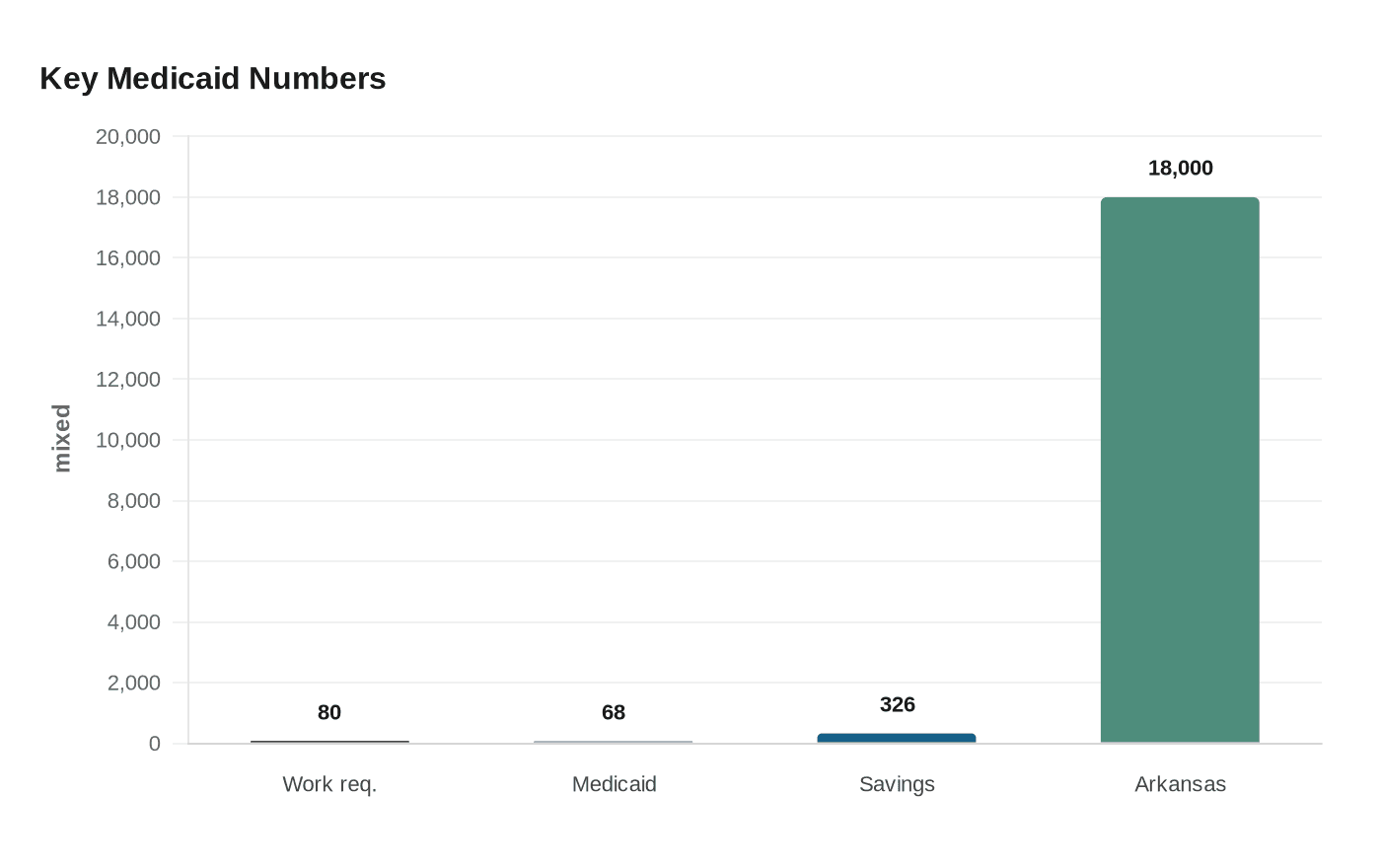
The stakes are large. Medicaid covers about 68 million low-income Americans, and health policy estimates cited in coverage project the work requirement could reduce federal Medicaid spending by $326 billion over 10 years while pushing millions off coverage. KFF has found that nearly two-thirds of Medicaid adults ages 19 to 64 were already working in 2023, and that about three in 10 of the rest were not working because of caregiving, illness, disability or school.
History offers a warning. KFF says Arkansas was the only state to run a prior work requirement with consequences for noncompliance, and 18,000 people lost coverage there. That experience is driving fears that eligible people will be disenrolled not because they are refusing to work, but because they cannot navigate the reporting system quickly enough.
CMS Administrator Dr. Mehmet Oz defended the policy on June 3, 2026, calling it a "path to prosperity." CMS has also said states may allow self-attestation for some eligibility questions through 2027, but advocates warn that stricter documentation rules could follow, creating another round of churn for patients whose health coverage depends on proving they are sick enough to be exempt.
This article was produced by Prism’s automated news system from verified source data, official records, and press releases, then run through automated quality and moderation checks before publishing. The system is built and supervised by the people who set the standards it runs under. Read our full AI policy.
Know something we missed? Have a correction or additional information?
Submit a Tip