CNN founder Ted Turner, cable news pioneer, dies at 87
Ted Turner built CNN into the first 24-hour cable news network, turning breaking news into a nonstop habit and reshaping how Americans watched politics and war.

Ted Turner, the brash media builder who launched CNN in 1980 and made round-the-clock news a fixture of American life, died Wednesday at 87. His death closes the life of a man who did not just build a network. He changed the speed, scale and business model of television news, helping set the pace for the modern information age.
Born Robert Edward Turner III on Nov. 19, 1938, in Cincinnati, Ohio, Turner moved with his family to Savannah, Georgia, before rising from local broadcasting into a national cable empire. CNN began under his leadership as the first 24-hour cable news network in the United States, and broadly the first 24-hour news channel in the world. That idea, once radical, became the default way millions of Americans followed elections, wars, disasters and presidential crises.
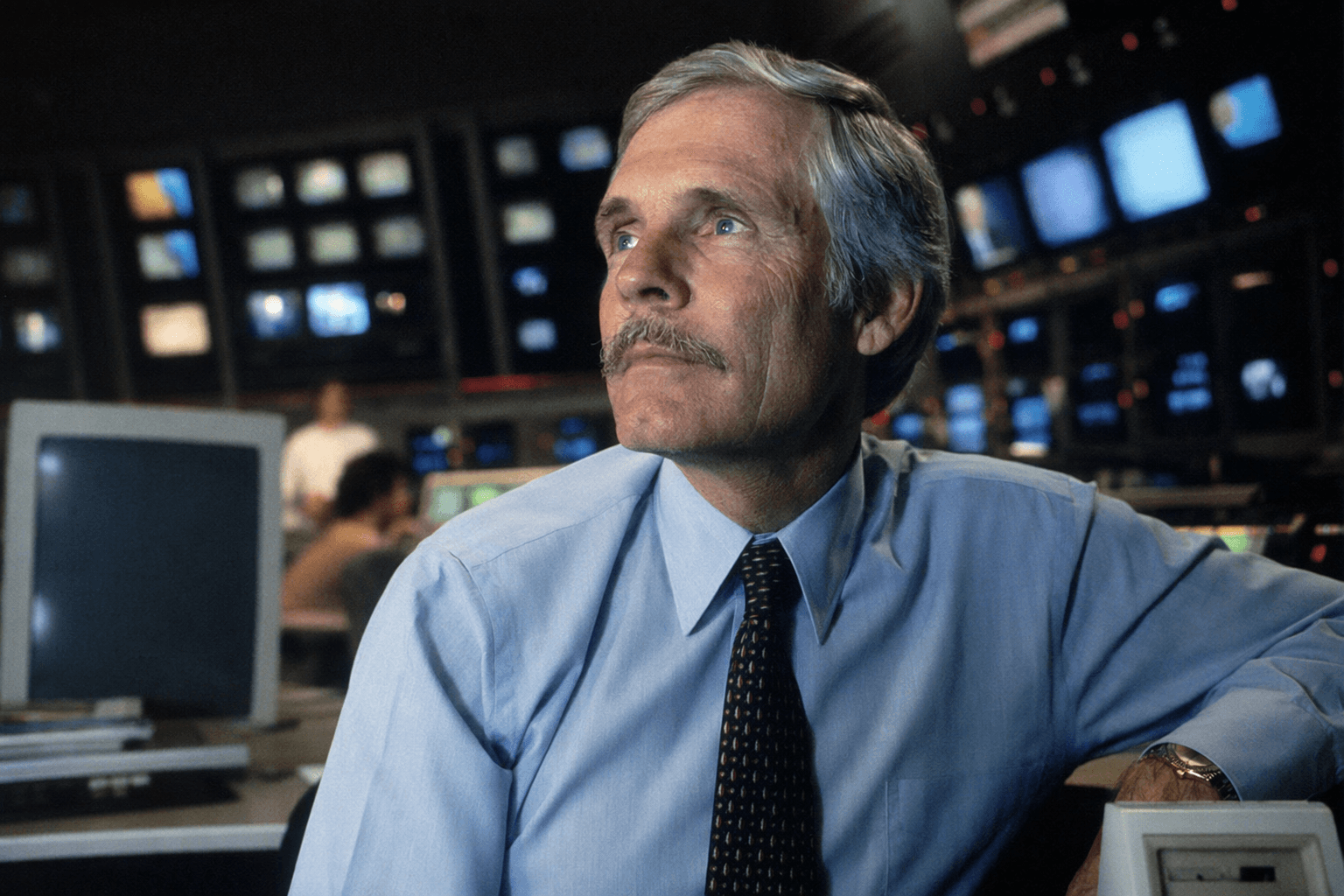
The network itself credited Turner as its founder, and CNN chairman and CEO Mark Thompson called him “intrepid, fearless,” saying he would remain “the presiding spirit of CNN.” The description fit the man who pushed cable news beyond the rhythms of the nightly broadcast and into a continuous cycle that rewarded speed, live pictures and constant updates. That shift expanded access to information for viewers across the country, but it also helped accelerate the nonstop news culture that now shapes politics and public debate.
Turner’s reach extended well beyond CNN. He built Turner Broadcasting System into a media empire that included TBS, TNT and Turner Classic Movies. He also owned the Atlanta Hawks for 19 years and the Atlanta Braves for 20 years, a run that included the Braves’ 1995 World Series championship. In 1985, he created the Goodwill Games as a U.S.-Soviet sports initiative, another expression of his belief that media and spectacle could alter public life.
Turner announced in 2018 that he had Lewy body dementia, and he had largely withdrawn from public life in the years that followed. Even so, his imprint remained visible every time a breaking story pushed television, and later digital platforms, into permanent urgency. The world Turner helped invent made news more available, more immediate and more relentless, a legacy that remains as unresolved as it is enduring.
This article was produced by Prism’s automated news system from verified source data, official records, and press releases, then run through automated quality and moderation checks before publishing. The system is built and supervised by the people who set the standards it runs under. Read our full AI policy.
Did this article answer your question?

