Coach-Focused Offseason Plan Builds FCS QBs' Lower-Body Power and Prospects
A coach-led 6-9 month offseason program targets lower-body power to boost FCS quarterbacks' pocket presence and reduce injury risk, improving on-field performance and pro prospects.
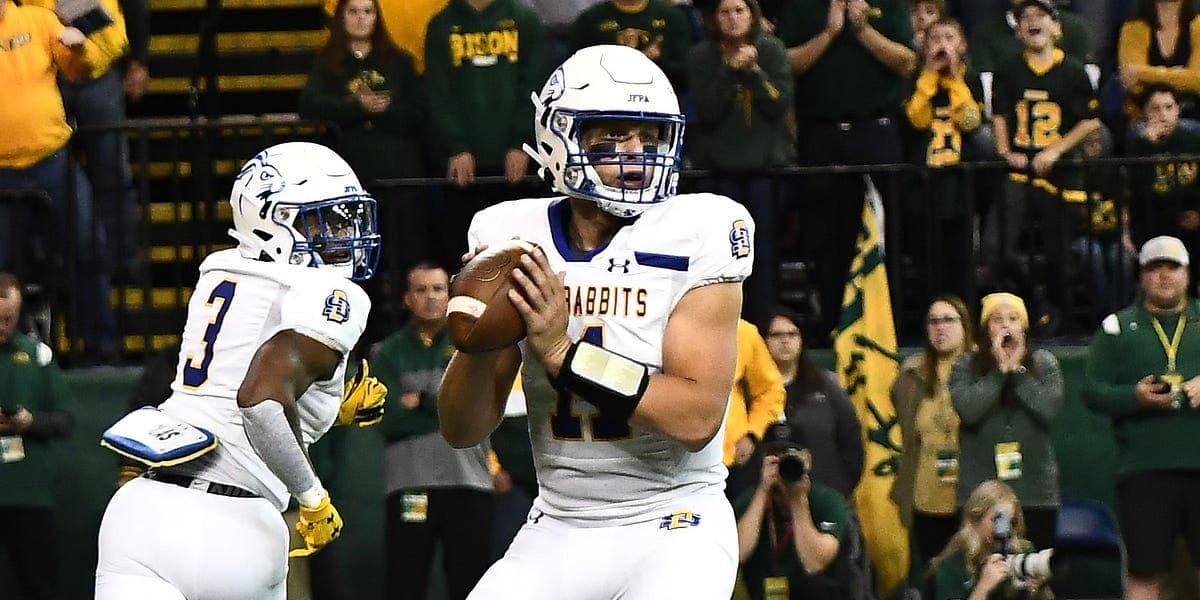
Coaches across the FCS are increasingly prescribing a coach-focused offseason plan centered on a 6-9 month physical development cycle that prioritizes strength and lower-body power for quarterbacks. The explicit goal of the plan is to improve pocket presence and injury resilience, two measurable traits that can elevate on-field performance and improve professional prospects for FCS quarterbacks during the offseason.
The core prescription is straightforward: a 6-9 month strength and power block that emphasizes lower-body development. That emphasis targets leg drive, hip extension, and force transfer through squatting, Olympic-style movements, and targeted plyometrics to enhance comfort and stability in the pocket. Coaches who adopt this model schedule a sustained cycle rather than short bursts, with the stated objective of producing quarterbacks who can withstand contact, step into throws under duress, and maintain accuracy when pressured.
From a performance-analysis standpoint, the plan links lower-body power directly to pocket presence. Quarterbacks with improved leg strength and force production maintain base and balance when taking hits, which leads to faster reset times between throws and fewer off-target passes under pressure. For FCS quarterbacks seeking to raise draft stock or secure pro tryouts, the 6-9 month emphasis on strength and power creates a physical profile that scouts increasingly note - the ability to complete accurate throws after absorbing contact and the reduced likelihood of soft-tissue lower-body injuries that can derail a season.
Industry trends in both collegiate training and pro scouting support the coach-focused model. Strength and conditioning staffs at the FCS level are shifting resources toward long-term cycles rather than quick offseason fixes, and the plan’s attention to injury resilience dovetails with roster-management priorities that value availability. For programs balancing limited resources, a coach-driven, lower-body-first approach offers a measurable, coach-controlled investment with clear endpoints tied to power metrics and durability outcomes.

The cultural and social implications of this plan reach beyond the field. Emphasizing injury resilience through lower-body power can extend playing careers for FCS quarterbacks, improving their professional prospects and economic mobility. It also reshapes coaching culture by reaffirming the coach’s role in holistic athlete development during the offseason, rather than delegating strength progress to isolated personnel. For FCS programs competing for recruits, advertising a structured 6-9 month development cycle with proven focus on pocket presence and injury resilience becomes a tangible selling point.
Coaches implementing a sustained 6-9 month strength and power cycle put measurable emphasis on lower-body power, pocket presence, and injury resilience. For FCS quarterbacks intent on elevating performance and enhancing pro opportunities, the plan offers a concrete offseason roadmap that aligns physical preparation with the evaluative priorities of the next level.
Know something we missed? Have a correction or additional information?
Submit a Tip