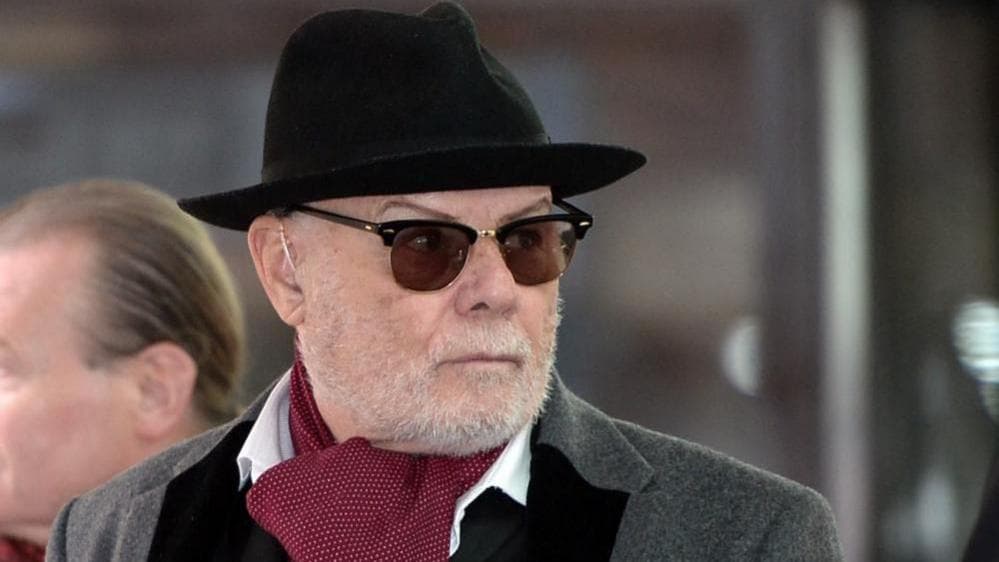
Colbert’s Late Show ends, CBS cites finances amid backlash
CBS ended Colbert’s top-rated late-night show, then faced boycott calls aimed at its NFL broadcasts. The question is whether viral anger can dent real revenue.

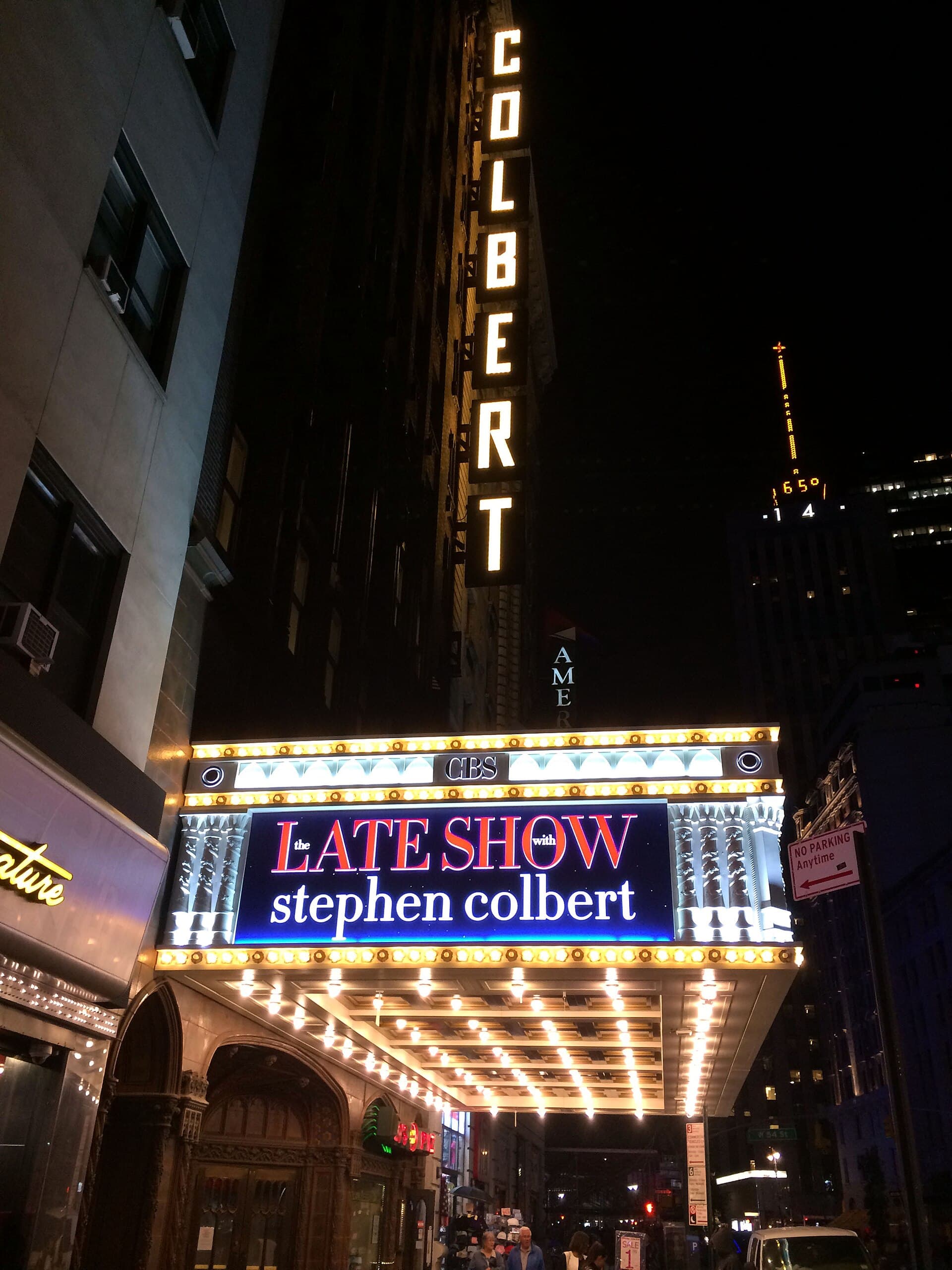
Stephen Colbert’s exit from CBS has quickly become more than a late-night story. What began as a company decision to end The Late Show in May 2026 has turned into a test of whether online outrage can translate into pressure on a network that also depends on NFL football, one of the most valuable properties in American television.
CBS announced on July 17, 2025 that The Late Show with Stephen Colbert would end at the close of the 2025-26 broadcast season and that it would retire the franchise entirely. The company said the move was “purely a financial decision” and “not related in any way” to performance, content or other matters at Paramount Global. Even so, the timing fueled suspicion because the announcement came just days after Colbert criticized Paramount Global’s $16 million settlement of Donald Trump’s 60 Minutes lawsuit.
The numbers gave Colbert’s defenders a strong argument. LateNighter reported that The Late Show led the 11:35 p.m. hour in total viewers in the second quarter of 2025, averaging 2.417 million viewers across 41 first-run episodes. It was also the only tracked late-night show to grow quarter over quarter, a sign that the franchise was still drawing a sizable audience even as the larger late-night landscape softened.
The blowback intensified after Colbert’s final show. CBS said his May 21, 2026 farewell drew 6.74 million live viewers, making it the most-watched weeknight episode in the show’s history. Jimmy Kimmel then urged viewers to stop watching CBS and to “never watch CBS again,” turning the finale into a broader protest moment for viewers angered by the cancellation.
But the economics behind a boycott are harder to measure than the social-media heat around it. CBS is not just a late-night home. It is a major NFL broadcaster, and that is why calls to punish the network are now tied to the 2026 football season. The theory is simple: if enough viewers really stop tuning in, advertisers and league partners may notice. The problem is that live sports remain one of the most durable draws in television, and outrage over a canceled talk show does not automatically become lost football revenue.
Donald Trump also added fuel to the fire, saying on May 22, 2026 that more late-night hosts would depart after Colbert’s exit. For CBS, the risk is less about whether Colbert’s fans are angry than whether that anger changes behavior in a way that matters to ad buyers, ratings trackers and the NFL’s broadcast economics. Right now, the backlash is loud. The harder question is whether it is organized enough to cost CBS anything real.
This article was produced by Prism’s automated news system from verified source data, official records, and press releases, then run through automated quality and moderation checks before publishing. The system is built and supervised by the people who set the standards it runs under. Read our full AI policy.
Did this article answer your question?