Cold-Case DNA Leads to Arrest in 1997 San José Homicide
Advanced DNA testing and forensic genetic genealogy produced a lead that led to the arrest and extradition of a 74-year-old suspect in the 1997 killing of 84-year-old Alice Sharitz. The development highlights how new forensic tools can resolve decades-old homicides and offers the community a potential measure of closure while the case moves through the courts.

Nearly three decades after an East San José woman was killed in her apartment, investigators announced a major cold-case arrest stemming from advanced DNA work. Officers responding on Oct. 6, 1997 found 84-year-old Alice Sharitz with a wooden-handled knife embedded in her chest and multiple traumatic injuries. Evidence collected at the scene produced a male DNA profile that remained an investigative hold until recent forensic advances reopened the file.
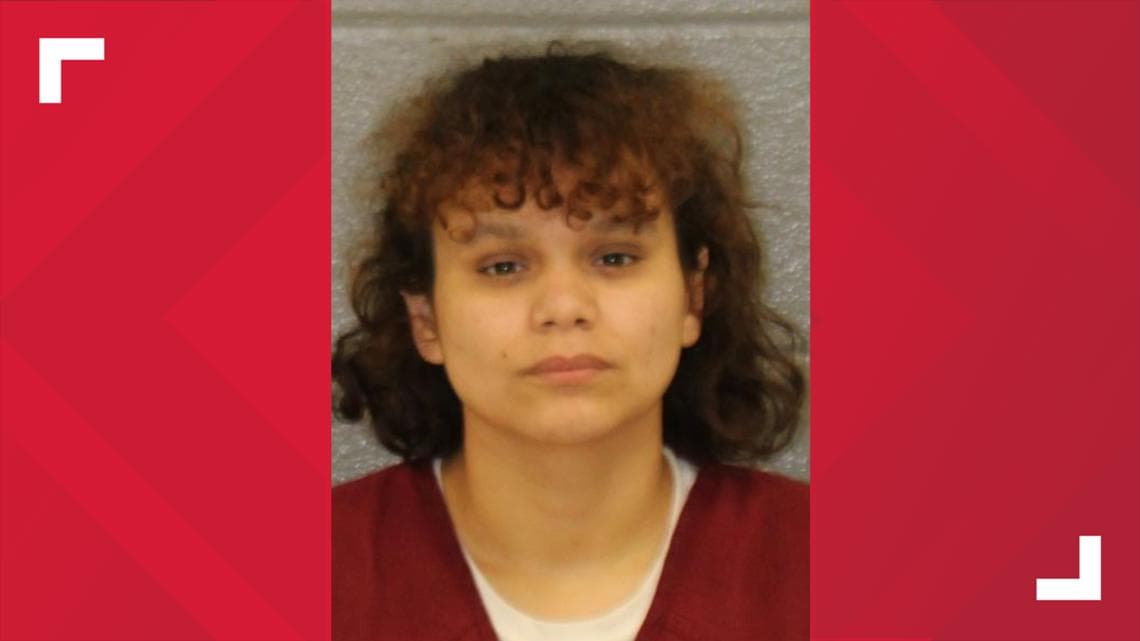
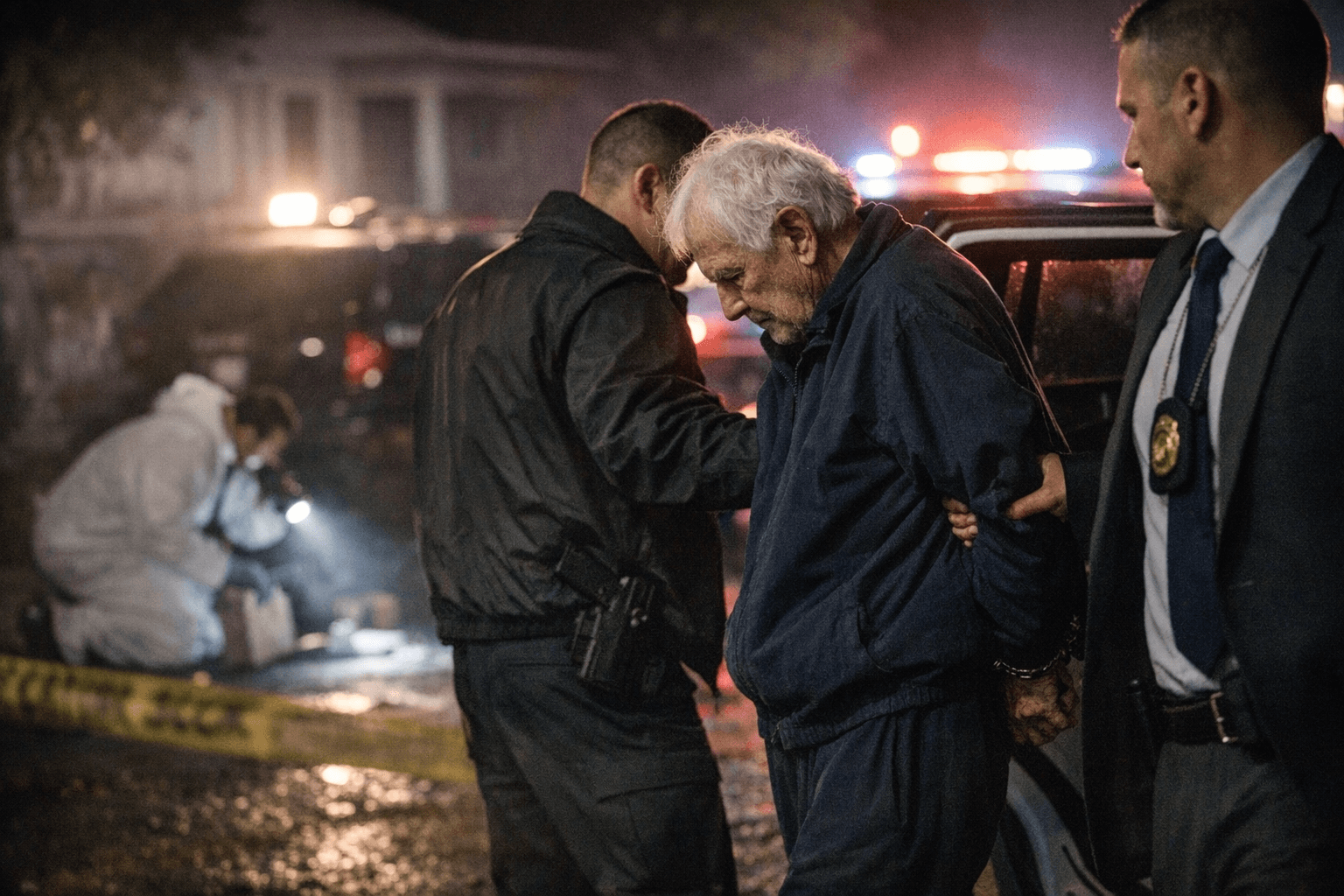
Detectives submitted the 1997 DNA profile for advanced forensic genetic genealogy in 2021. That work yielded a potential lead in October 2024 pointing to 74-year-old Joe Contreras. Investigators obtained a DNA sample from Contreras in December 2024, and the Santa Clara County District Attorney’s crime lab later confirmed a match to the crime-scene profile. Detectives interviewed Contreras in Oregon and obtained an arrest warrant. He was taken into custody by the Dallas, Oregon police on Dec. 19, 2025, was extradited to Santa Clara County on Jan. 6, 2026, and was booked on a murder charge.
The San José Police Chief and the Santa Clara County District Attorney praised the persistence of the cold-case team in reexamining evidence with modern tools. For the Sharitz family and the neighborhood where she lived, the arrest ends a long period of unanswered questions and may bring new opportunities to fill gaps in the case record as prosecutors prepare charges.
This arrest underscores practical implications for the public. Forensic genetic genealogy and advanced DNA testing can produce viable leads even when cases go cold for decades. If you have information related to this case that has not yet been shared with investigators, contact SJPD homicide detectives. Do not attempt to approach suspects or interfere with evidence; pass along any tips to law enforcement and preserve any physical materials that might be relevant.
The case now shifts to the judicial process, where prosecutors will review evidence and determine next steps toward filing formal charges. For community members following cold-case work, this development illustrates both the evolving power of forensic science and the continuing need for public cooperation in resolving long-unsolved crimes.
Know something we missed? Have a correction or additional information?
Submit a Tip