Collector's primer for buying and restoring vintage synthesizers safely
A practical primer identifies key vintage synth models and gives hands-on buying and restoration tips that matter to collectors and players.
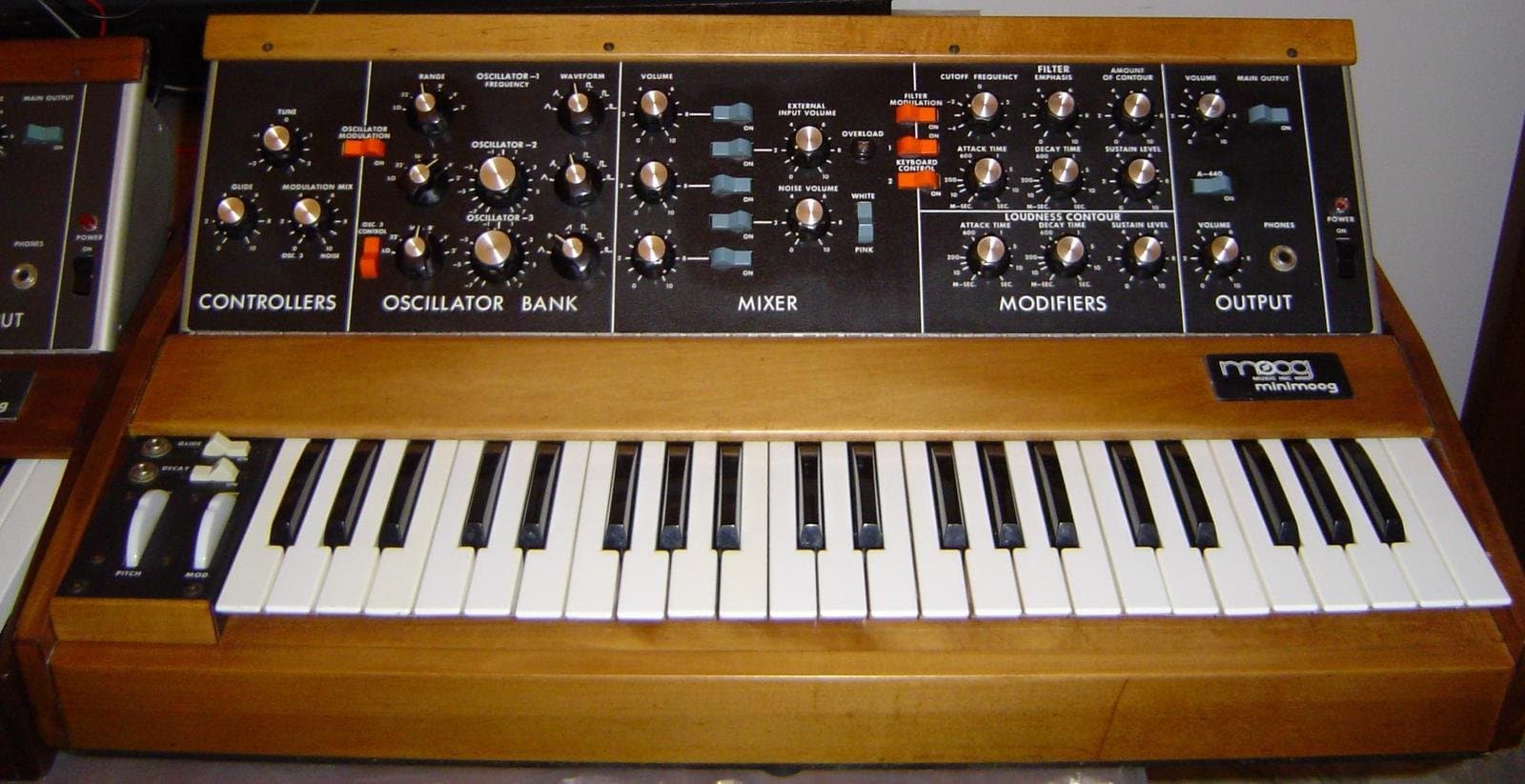
If you chase tone, history, or the sweet pain of GAS, this primer lays out what matters when collecting and restoring vintage synthesizers from the 1960s through the 1980s. The models that repeatedly come up as crown jewels include the Minimoog Model D, ARP 2600, Oberheim polys, Yamaha CS series, Roland Juno and Jupiter models, and rarer gear like EMS and Polivoks equipment. These instruments command attention because of their iconic sounds, historical use on recordings and film, and in some cases simple rarity.
Start any buying decision with condition and provenance. Look for service records, original manuals, and any documentation of prior repairs; those items lift value and reduce risk. Battery leakage in older boards, failing power supplies, and swollen electrolytic capacitors are common deal-breakers. Verify the keybed for sticky or dead keys, check knob and slider resilience, and evaluate if potentiometers are noisy or intermittent. Presence of service notes or a recent recap can be the difference between a weekend project and an expensive teardown.
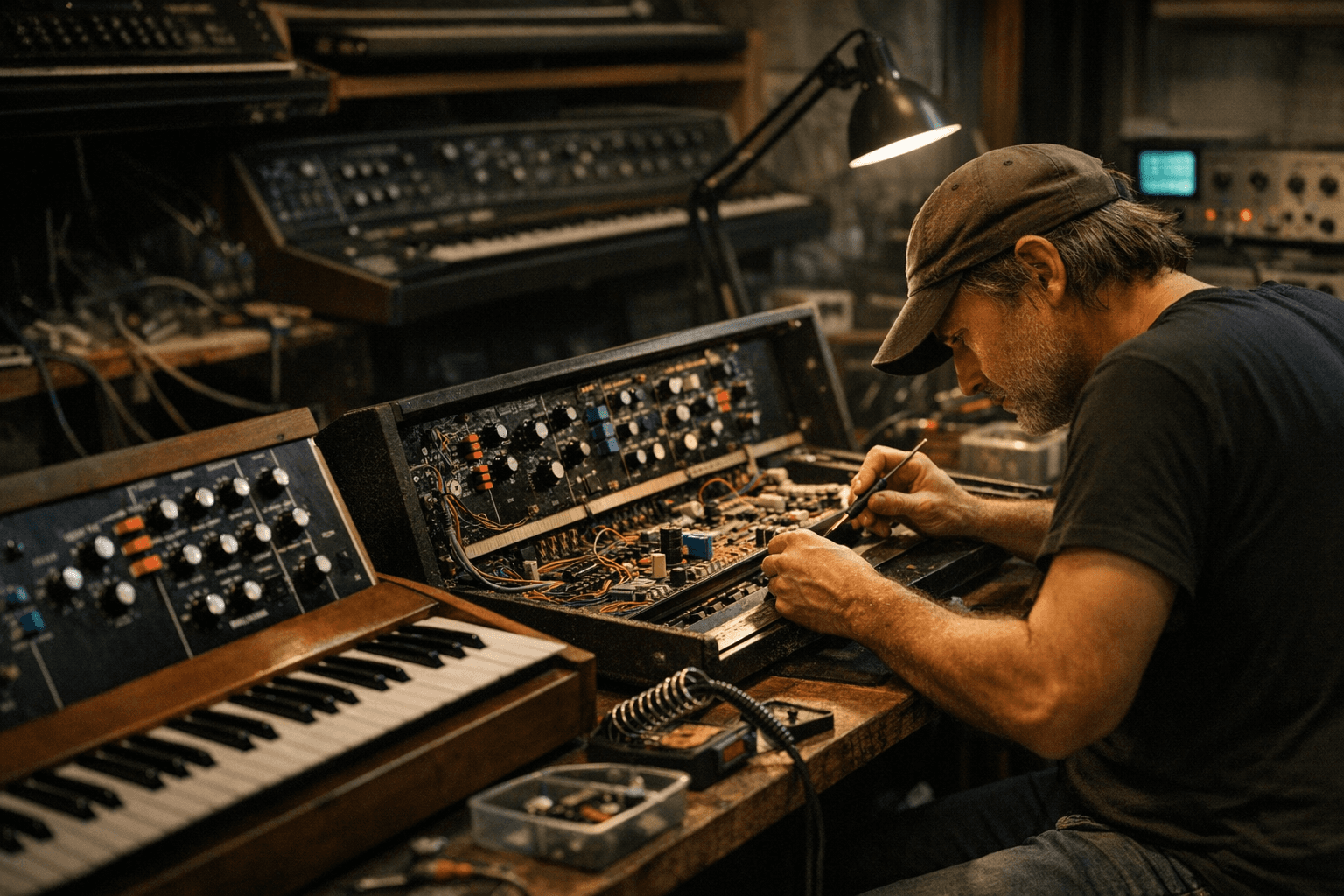
When a restoration is needed, plan realistic steps and costs. Deep cleaning and noninvasive cosmetic touch-ups are first and inexpensive. Electrolytic recap is the most common and often necessary major service for vintage gear; it restores power stability and prevents future damage but requires skill. Pots and sliders often respond to cleaning, but replacement can be necessary if parts are worn. Calibration and tuning are essential after electrical work to get oscillators and filters tracking properly. If a synth uses onboard batteries for memory, address battery leakage immediately; it can eat traces and pads, turning a restorable unit into a parts-only candidate.
Know when to bring in a pro. If the work involves PCB-level repair, alignment of complex voice boards, or custom part fabrication, a qualified synth tech will save time and often cost. For collectors on a budget, focus on models known for modular repairs or those with available schematics and parts networks. Community forums, local synth meetups, and tech lists remain invaluable for sourcing parts like sliders, original panel hardware, and harder-to-find modules.
Practical valuation depends on more than model name. Rarity and documented historic use push prices, but condition and service history drive long-term ownership costs. Consider playability today versus restoration time and the risk of hidden faults. For players, a Juno or Jupiter in good working order often delivers immediate musical value; for collectors, provenance and original condition matter more.
This primer should help you avoid common pitfalls and decide when to act or walk away. Verify the electronics, factor restoration into your budget, and lean on the community and qualified techs when boards or voice allocation need deep work. Whether you're chasing a Minimoog growl or a Jupiter pad, these checks and steps keep your next find a playable instrument, not a permanent project.
Know something we missed? Have a correction or additional information?
Submit a Tip