Collin County guide to historic sites, parks and museums
Learn where to visit Collin County’s top historic sites, museums, and nature spaces and how they support community well-being.
1. Collin County History Museum (1911 McKinney post office building)
The Collin County History Museum sits in the 1911 McKinney post office building in downtown McKinney and anchors local research into county history. Regular exhibits trace migration, industry, and civic life; the site notes free admission on select days and ongoing educational programs that support school curricula and lifelong learning. For residents, the museum is both a civic memory bank and a practical resource for genealogy, local planning context, and community events that foster intergenerational connection. Check the museum’s site for current hours, tour schedules, and special programs before visiting to plan accessible, low‑cost trips.
2. Chestnut Square Historic Village
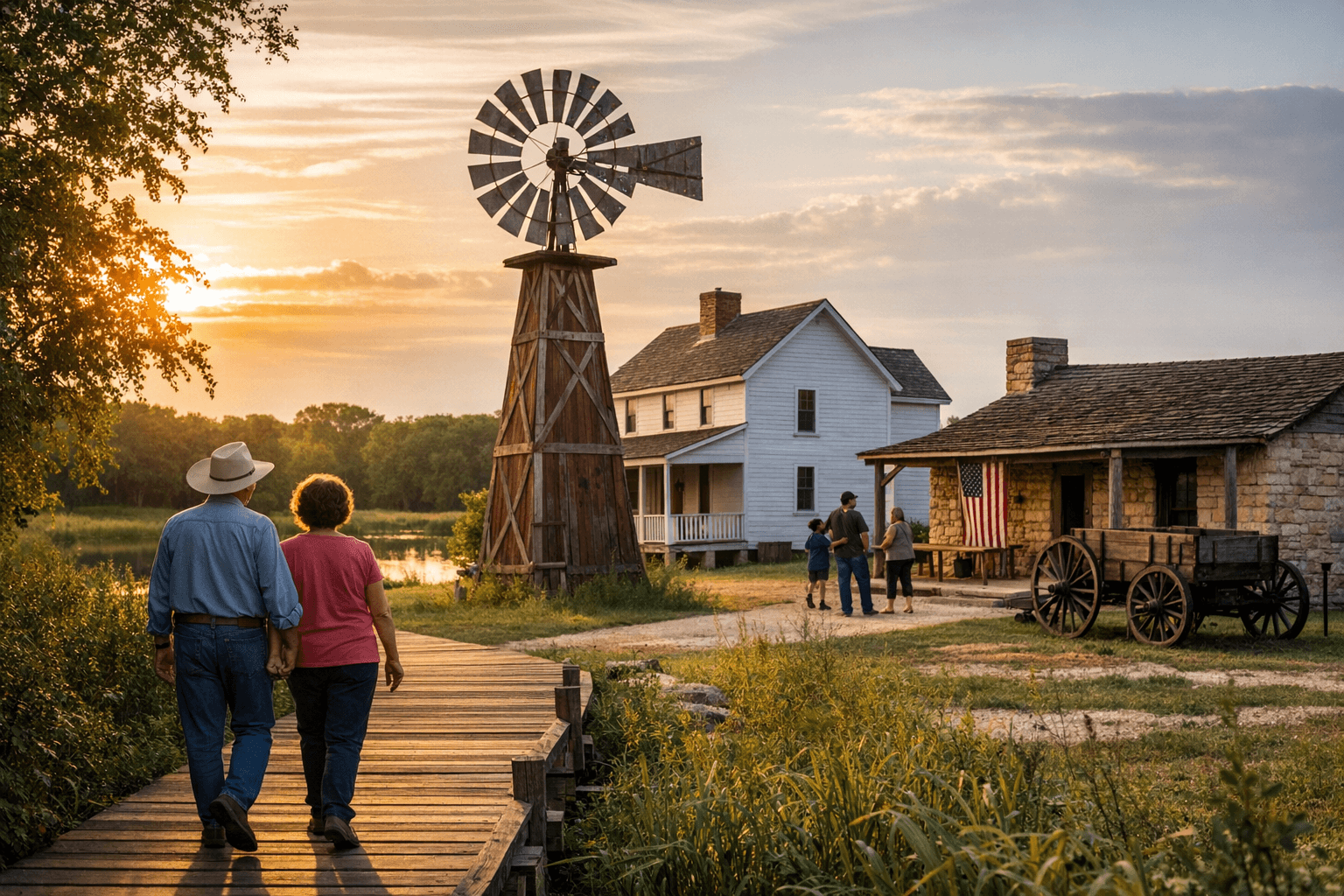
Chestnut Square Historic Village offers living‑history experiences across preserved homes and streetscapes that illustrate 19th- and early 20th‑century life in McKinney. Interpreters and costumed demonstrations make everyday historical practices visible, useful for students and families seeking hands‑on learning about local industry, domestic life, and social change. These immersive programs also serve equity goals by providing low‑barrier cultural education and opportunities for youth from diverse neighborhoods to access local history. Visiting Chestnut Square supports community arts partnerships and seasonal events that keep downtown vibrant and economically inclusive.
3. Heritage Farmstead Museum
Heritage Farmstead Museum preserves an intact farm complex and interprets agricultural life as a living system, with exhibits on crops, livestock, and rural labor. The site offers demonstrations and programs that connect contemporary food systems with their historical roots, helping residents understand where food comes from and building food literacy. For public health, farm-based education encourages healthy eating, supports school garden curricula, and strengthens food security networks by connecting families to local agricultural knowledge. Heritage Farmstead is also a venue for outreach to underserved communities through targeted programming and partnerships with local schools.
4. Heard Natural Science Museum & Wildlife Sanctuary
The Heard Natural Science Museum & Wildlife Sanctuary combines trails, live animal exhibits, and science education across conserved natural areas that are vital for both biodiversity and human health. Regular access to trails and interpretive programs promotes physical activity, reduces stress, and provides low‑cost outdoor learning opportunities for families and students. The Heard’s environmental education contributes to climate literacy and stewardship, important for equitable resilience planning as summers warm and green spaces become critical public health infrastructure. The sanctuary also offers volunteer and internship pathways that build local science literacy and workforce skills.
5. Myers Park & Event Center
Myers Park & Event Center is Collin County’s primary fair and event venue, hosting county fairs, large public gatherings, and educational events tied to agriculture and community life. As a civic hub, the park supports emergency planning and large-scale public health responses by providing a known, accessible space for mass gatherings or temporary services. Economically, events at Myers Park circulate revenue to local vendors and nonprofits, while culturally they sustain rural traditions and expose urban residents to agricultural practices. If you’re planning attendance, factor in heat, parking, and accessibility needs, seek shaded areas and hydration stations during summer events.
6. Collin County Farm Museum
The Collin County Farm Museum documents agricultural history across tools, machinery, and everyday farm life that shaped the county’s economy and landscape. Exhibits, demonstrations, and seasonal programming educate visitors about historic production methods and the evolution of rural labor, linking past practices to current conversations about farm labor, land use, and food justice. The museum supports local identity and provides context for policy discussions on zoning, preservation, and sustainable agriculture across fast‑growing parts of the county. For community members, it’s a reminder that county roots remain central to regional planning and equitable development.
7. McKinney Performing Arts Center (historic courthouse)
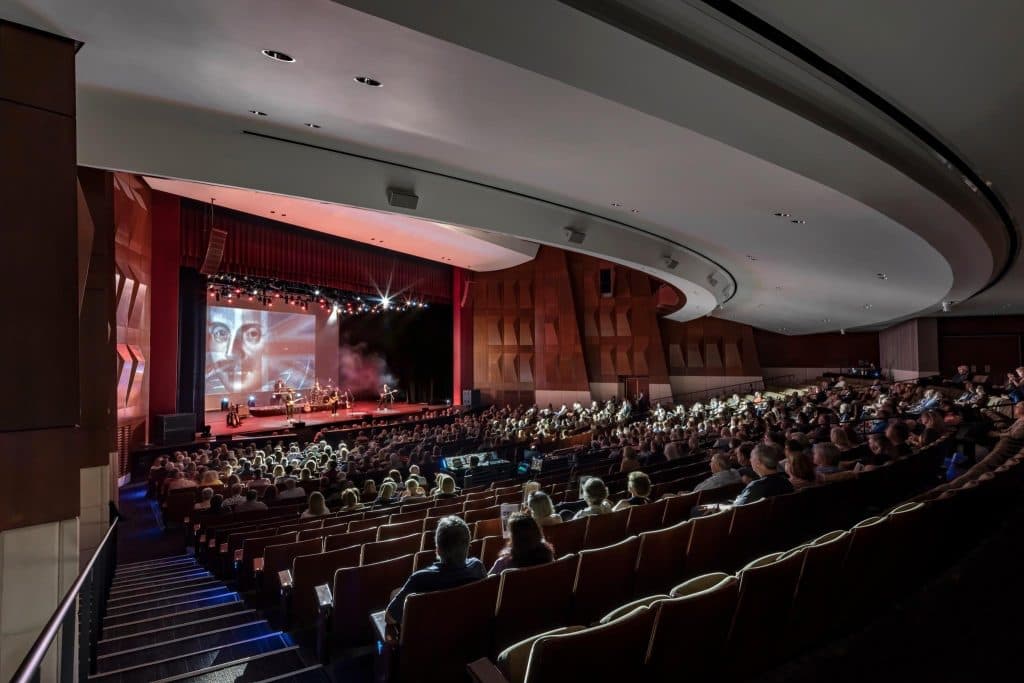
Housed in the restored historic courthouse, the McKinney Performing Arts Center (MPAC) is Collin County’s cultural engine for theater, music, and community arts programming. Local productions, youth performances, and touring acts make MPAC a place where arts access intersects with civic life and downtown economic revitalization. Arts programming contributes to mental well‑being, social cohesion, and creative economy jobs, and MPAC’s central location keeps performances reachable by public transit and walkable neighborhoods. Support for the center sustains local artists and ensures arts education remains part of equitable community development.
- Check official websites for hours, tour availability, and special‑event schedules to avoid disappointment and to find free admission days.
- Prioritize outdoor venues like Heard and Heritage Farmstead for safer, ventilated experiences, especially helpful for families and people with respiratory concerns.
- Use public transit, bike racks, and downtown parking maps in McKinney to reduce emissions and barriers to access; many sites are near walkable downtown amenities.
- Consider group or school visits for reduced rates and targeted educational programming, museums often offer curriculum‑aligned tours.
Visitor planning tips
Closing practical wisdom These sites are more than photo ops; they’re civic tools that build community resilience, health, and belonging. Plan visits around free days and school partnerships, use outdoor programs to boost physical and mental well‑being, and support institutions that preserve local memory while expanding access. When residents treat history, nature, and the arts as public health infrastructure, Collin County becomes not just a place to live, but a place to thrive.
Know something we missed? Have a correction or additional information?
Submit a Tip