Colombia court orders Petro government to return emergency tax funds
Colombia’s top court ordered Petro’s government to refund emergency taxes after voiding the decree, deepening a fight over presidential emergency powers.
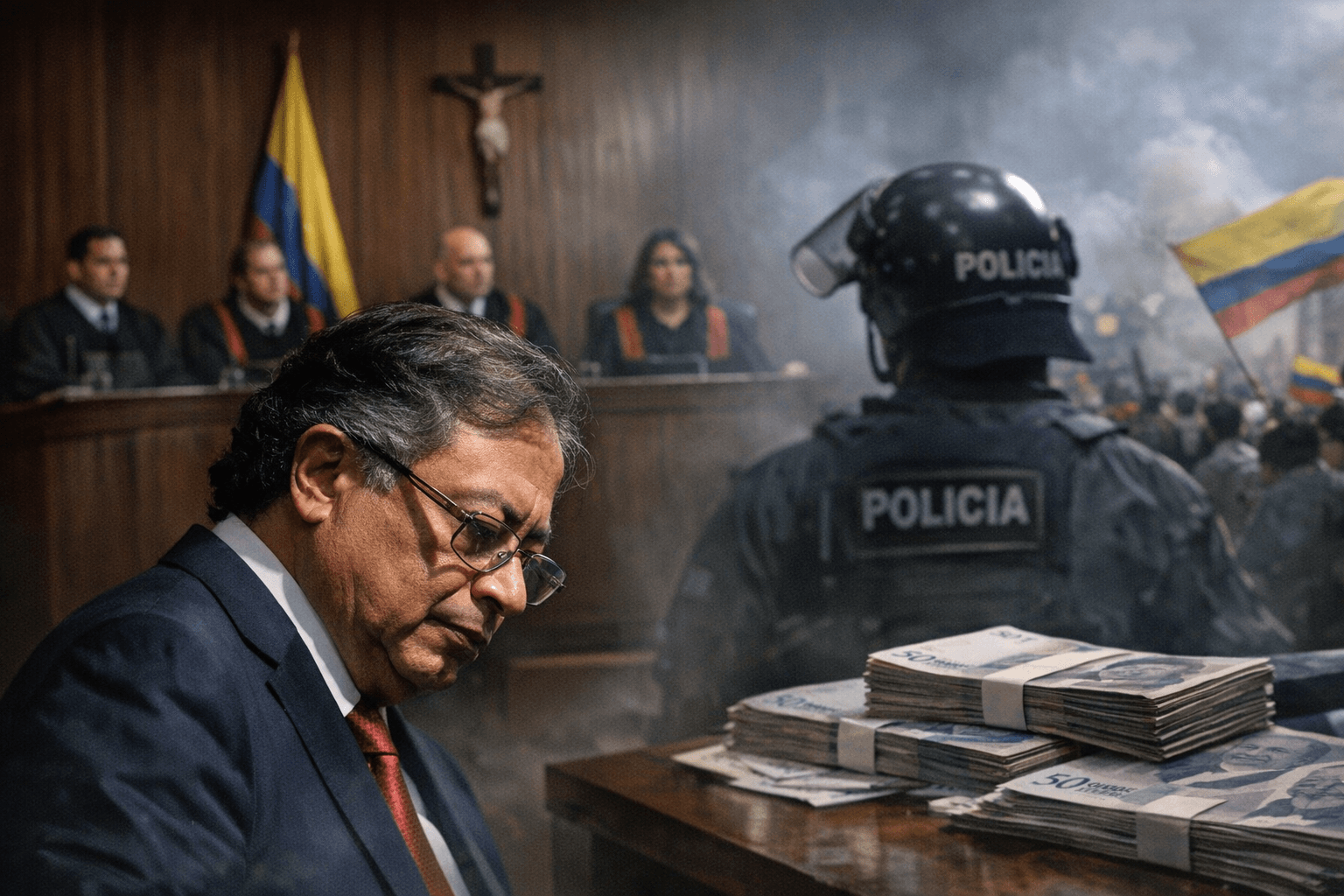
Colombia’s Constitutional Court has ordered Gustavo Petro’s government to return emergency tax money collected under a decree it had already ruled unconstitutional, an unusually costly setback for the president’s fiscal agenda. The state tax authority, DIAN, was instructed to refund revenue gathered under the emergency measures, which the government had used to raise funds for this year’s budget after legislative defeat.
The legal chain was stark. Congress rejected the government’s financing law, and Petro’s administration responded with an economic emergency declaration identified in local coverage as Decree 1390 of December 22, 2025. The court struck down that underlying emergency declaration on April 9 in a 6-2 ruling, with dissents from justices Vladimir Fernández and Héctor Carvajal. By April 15, the court went further and said money already collected must be returned, a step that set this case apart from past emergency rulings that were invalidated without retroactive repayment.
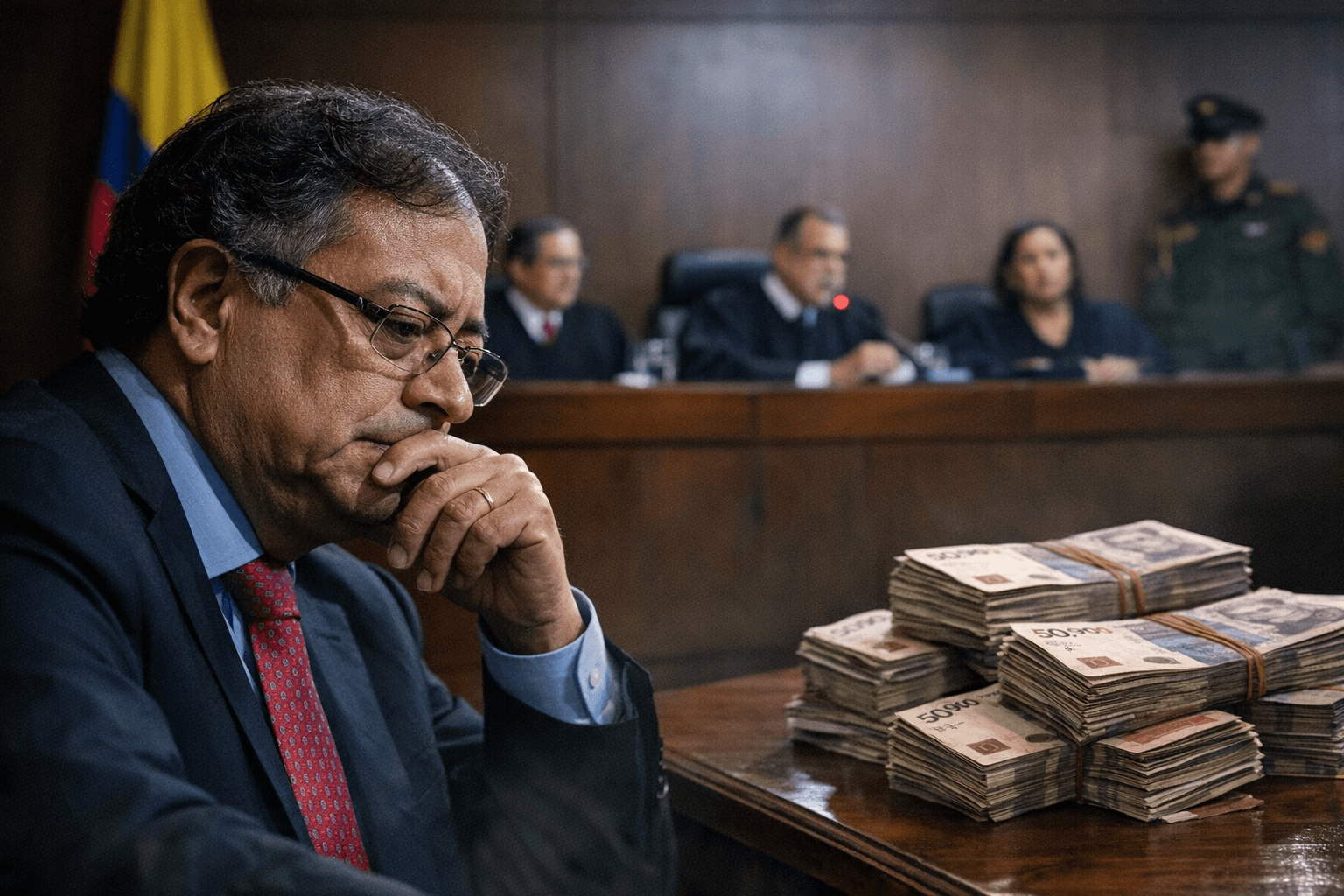
The emergency decree had been designed to generate 11 trillion pesos, about $3.07 billion, to help finance the 2026 budget. The government had already collected 1.67 trillion pesos, or about $467 million, under the emergency taxes. Those measures included a levy on liquid assets above 2.1 billion pesos, a special income tax on the financial sector and a 19 percent charge on alcohol, gambling and certain vehicles, motorcycles and aircraft.
The ruling lands at a difficult moment for Latin America’s fourth-largest economy. Colombia approved a 2026 national budget of 546.9 trillion pesos, but the spending plan outpaced the government’s ability to secure revenues. Officials had already suspended the fiscal rule in 2025 as deficits and debt pressures worsened, and Petro’s administration has faced setbacks in Congress on multiple fiscal reforms. Finance Minister German Avila has since pushed a new tax-reform bill worth 16 trillion pesos, underscoring how much revenue the government still needs even after the emergency scheme was blocked.
Petro has argued publicly that there is nothing to return because, in his view, the money was never effectively collected, setting up a fight over how the refund order will be carried out. The broader significance reaches beyond one tax dispute. The court’s decision narrows Petro’s room to maneuver, reinforces judicial limits on emergency powers and raises the political cost of trying to finance the state without stronger congressional support.
This article was produced by Prism’s automated news system from verified source data, official records, and press releases, then run through automated quality and moderation checks before publishing. The system is built and supervised by the people who set the standards it runs under. Read our full AI policy.
Did this article answer your question?