Colombia election could reshape security ties with the U.S.
Colombia’s vote could tighten or strain ties with Washington as drug policy, migration and security dominate a race shadowed by violence.
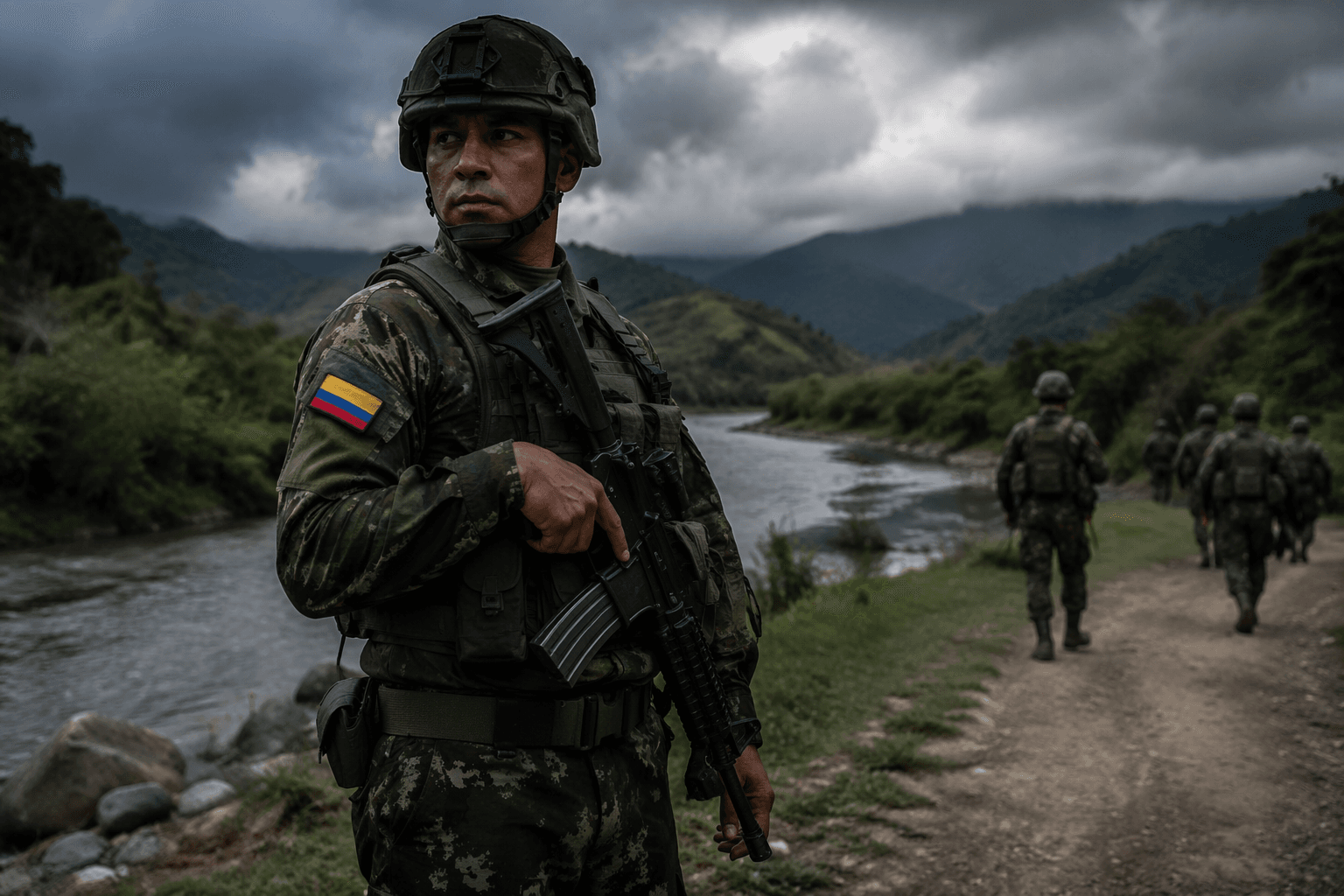
Colombia’s presidential vote on Sunday is about far more than who replaces Gustavo Petro. For Washington, the election will help determine whether one of America’s closest security partners in Latin America stays on a path of friction over drugs and migration, or moves toward a reset when the winner takes office on August 7.
Petro is barred from seeking reelection, leaving three names at the center of the race: Iván Cepeda of Petro’s leftist Historic Pact, Paloma Valencia of the Democratic Center and independent Abelardo De la Espriella. If no candidate tops 50% on May 31, Colombians will return for a runoff on June 21. The next president will inherit a fragmented Congress, after March 8 legislative elections gave the Historic Pact 25 of 103 Senate seats and 43 of 183 House seats, while the Democratic Center won 17 Senate seats and 28 House seats. That math makes cross-party alliances essential from day one.
Security is shaping the campaign as much as ideology. Candidates have pulled back after attacks that included the kidnapping of a senator and the assassination of presidential hopeful Miguel Uribe Turbay in June 2025, the first killing of a Colombian presidential candidate in more than 30 years. Corruption, street crime and armed-group violence remain top voter concerns, and those same problems are driving U.S. scrutiny of Colombia’s next government.
Drug policy is the sharpest fault line. The U.S. State Department says coca cultivation climbed from 230,000 hectares in 2022 to 253,000 hectares in 2023, while cocaine production potential rose from 1,738 metric tons to 2,664 metric tons. It said Colombia was not certified under U.S. counternarcotics criteria on Oct. 24, 2025, even as Colombian security agencies seized 1,028 metric tons of cocaine from September 2024 to August 2025. A Cepeda victory would likely prolong Petro’s emphasis on labor reform, higher minimum wages and a “total peace” strategy that critics say weakened pressure on armed groups. A Valencia or De la Espriella victory would probably bring a harder line on eradication, interdiction and security cooperation.
The stakes also include migration and regional stability. Colombia hosts about 3.2 million Venezuelan refugees and migrants, and the United States has committed more than $958 million to help Colombia respond to that crisis. Washington has also provided more than $1.5 billion since 2017 to support peace accord implementation. With diplomatic relations dating to June 19, 1822, the vote will show whether Bogotá deepens a recent rift with Washington or begins repairing it.
This article was produced by Prism’s automated news system from verified source data, official records, and press releases, then run through automated quality and moderation checks before publishing. The system is built and supervised by the people who set the standards it runs under. Read our full AI policy.
Did this article answer your question?