Colombia heads to key vote as security and social agendas clash
Colombia’s voters face a sharp choice between Gustavo Petro’s leftist project and a tougher security reset, with Ivan Cepeda ahead but vulnerable in a June 21 runoff.
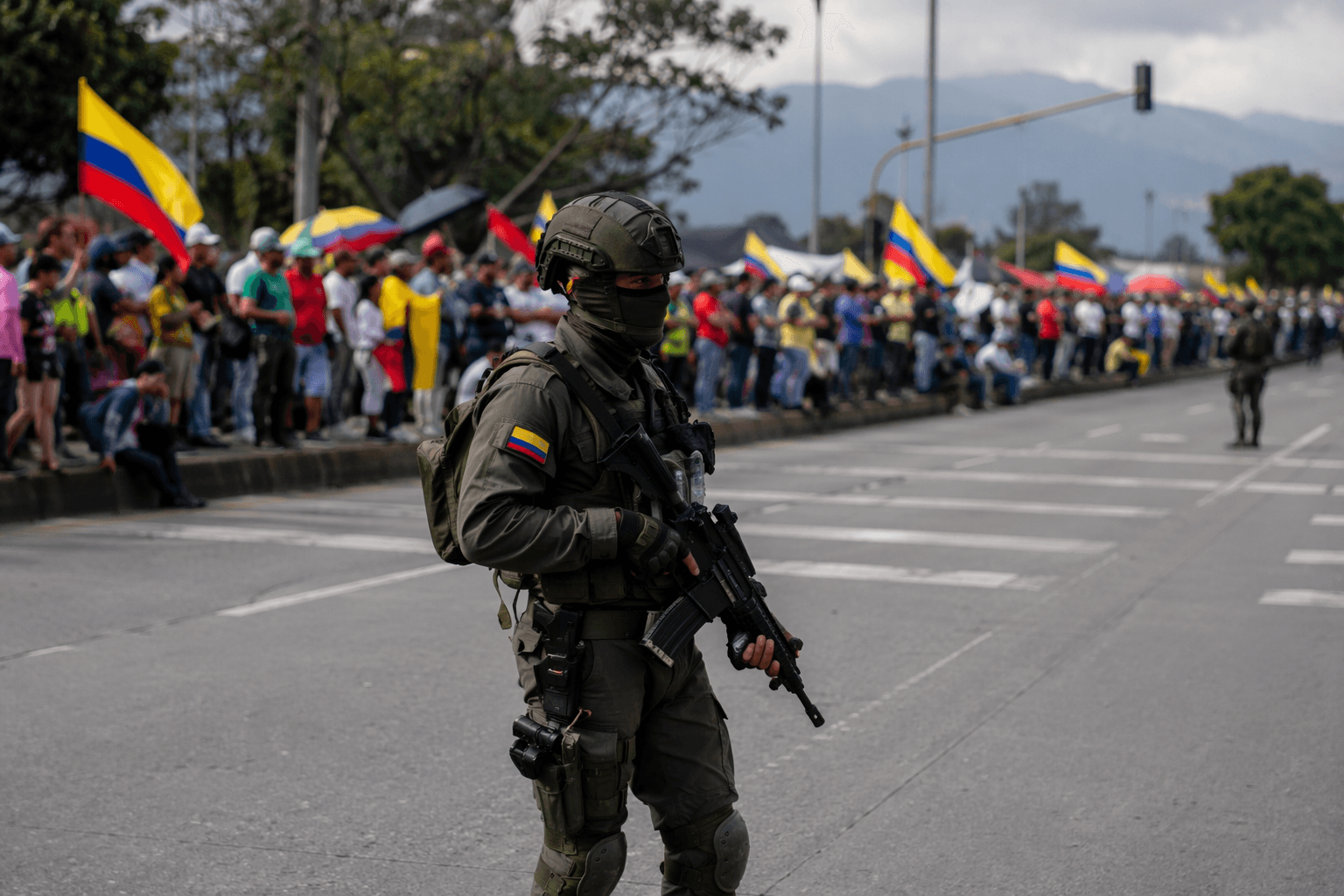
Colombia headed into a pivotal presidential vote with voters weighing whether to extend Gustavo Petro’s left-wing agenda or swing sharply toward harder security and pro-business policies. The choice has become a referendum on Petro-era change, with peace efforts, economic frustration and security fears colliding as the campaign entered its final stretch.
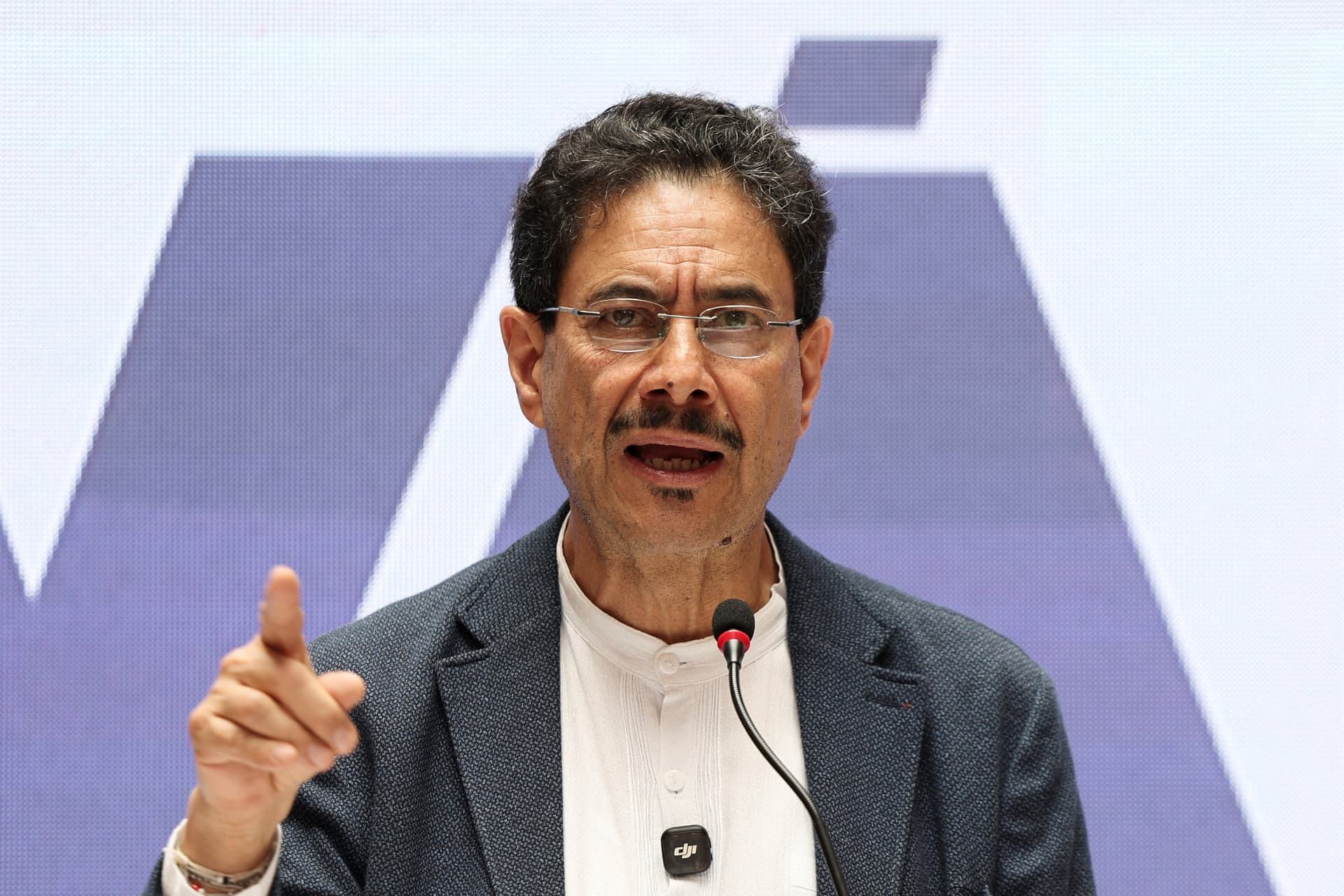
Ivan Cepeda, a 63-year-old philosopher and congressman for the Historic Pact coalition, led the field in polls, but his path to the presidency remained uncertain. He has campaigned on expanding social programs, deepening peace talks with illegal armed groups and paying for those plans with tax changes that would broaden the base, raise wealth taxes and reduce exemptions for large companies. Cepeda has also signaled openness to left-wing proposals to rewrite the constitution, a stance that could unsettle investors and centrists. His personal history is inseparable from Colombia’s conflict: his father, a communist leader, was killed in a paramilitary attack in 1994.
On the right, independent businessman Abelardo de la Espriella and Senator Paloma Valencia emerged as the main challengers. De la Espriella, known to supporters as “The Tiger,” has cast himself as a blunt outsider who would restore order, shrink the state, strengthen the armed forces and build mega-prisons. He is calling for lower taxes and a revival of the oil and mining sectors. Valencia, backed by former President Alvaro Uribe’s Democratic Center, is also focusing on security and economic recovery, while promising to roll back Petro’s negotiations with armed groups.
Centrist figures Sergio Fajardo and Claudia Lopez have so far failed to match their previous election results, leaving the field fragmented. That split on the opposition side has helped Cepeda lead the first round, but it also points to a difficult runoff on June 21 if no candidate secures a majority on Sunday.
The next president will inherit one of Latin America’s toughest policy mixes: stabilizing public finances in the region’s fourth-largest economy, cutting poverty, reducing violence linked to Colombia’s decades-old internal conflict and answering demands for better social services and jobs. The outcome will matter well beyond Colombia’s borders, shaping migration pressures, regional stability and the direction of Washington’s relationship with a country that remains central to U.S. security and diplomacy.
This article was produced by Prism’s automated news system from verified source data, official records, and press releases, then run through automated quality and moderation checks before publishing. The system is built and supervised by the people who set the standards it runs under. Read our full AI policy.
Did this article answer your question?