Colombia rebels surrender weapons ahead of presidential runoff
Ninety-nine guerrillas laid down their weapons in Putumayo, a test of whether Gustavo Petro’s peace drive can secure Colombia’s frontier before the June 21 runoff.
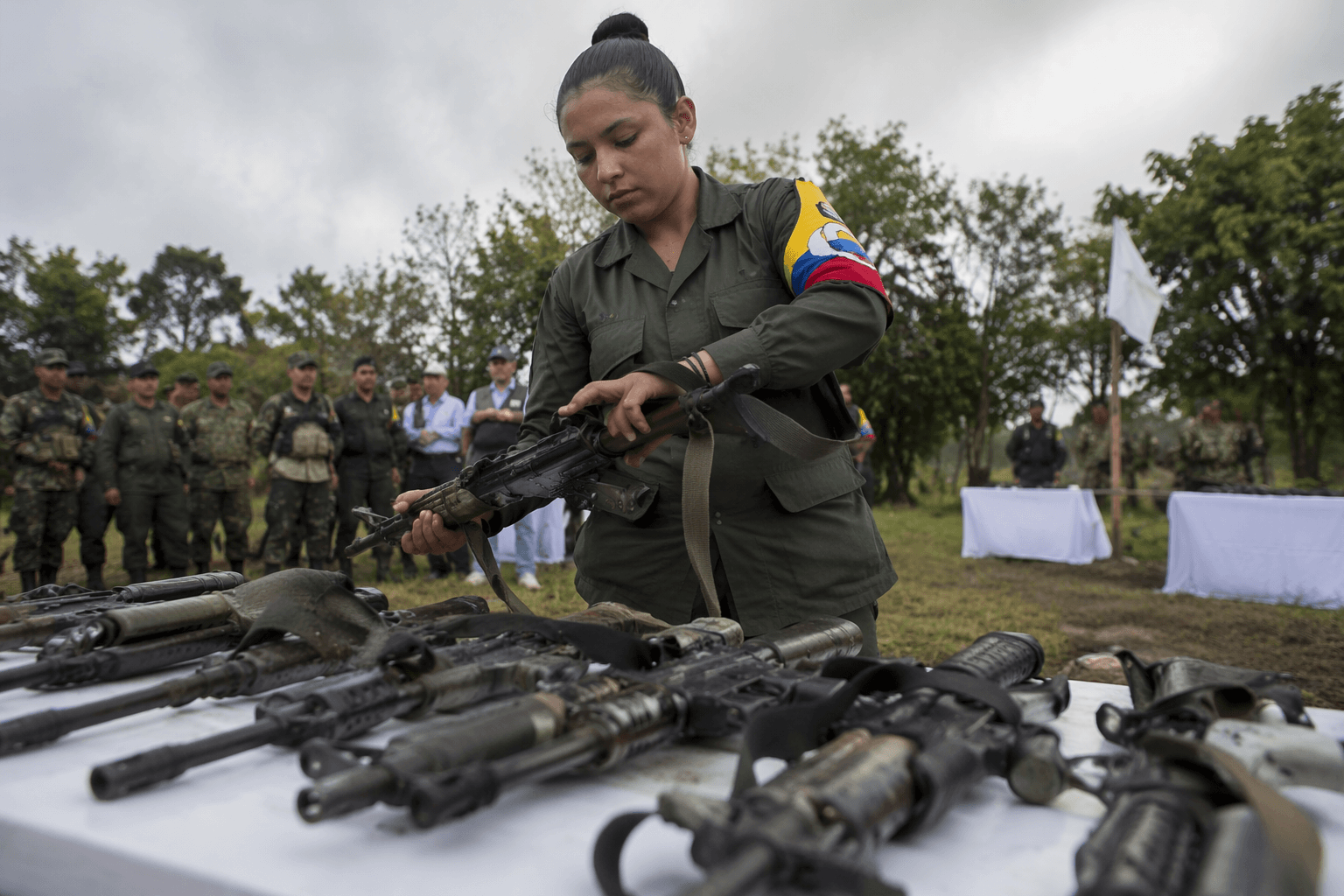
Ninety-nine rebels from a dissident faction of the defunct FARC handed over their weapons in a jungle area of southern Colombia, a small but politically loaded step that will help measure whether President Gustavo Petro’s peace strategy can produce durable security in one of the country’s most contested regions.
The disarmament took place in Valle del Guamuez, Putumayo, a border department that sits on a major cocaine corridor near Ecuador. Colombia is the world’s largest cocaine producer, and the National Coordinating Committee of the Bolivarian Army is believed by the government to have between 2,000 and 2,500 members. That makes Thursday’s surrender meaningful not because it ends the conflict there, but because it shows the state is still trying to combine negotiation with pressure in territory where armed groups have long held sway.
The timing sharpened the stakes. Colombia’s presidential runoff is set for June 21, and the winner will take office on August 7. Reuters reported that the next president will have to regain territorial control from illegal armed groups that expanded under Petro, underscoring how central security has become to the election. For Petro, who has pursued a policy of “total peace” since taking office, the handover offers a chance to argue that dialogue can weaken armed factions. For critics, it is another reminder that talks can also buy time for groups that have not fully abandoned violence.
The Associated Press reported that the dissidents will enter a temporary resettlement zone, where the government plans to help them gradually reintegrate into civilian life. That next phase is where the real test begins. If state services, police presence, and economic alternatives do not follow, the fighters could splinter, rearm, or drift into other criminal networks that already operate across Putumayo and other rural corridors.
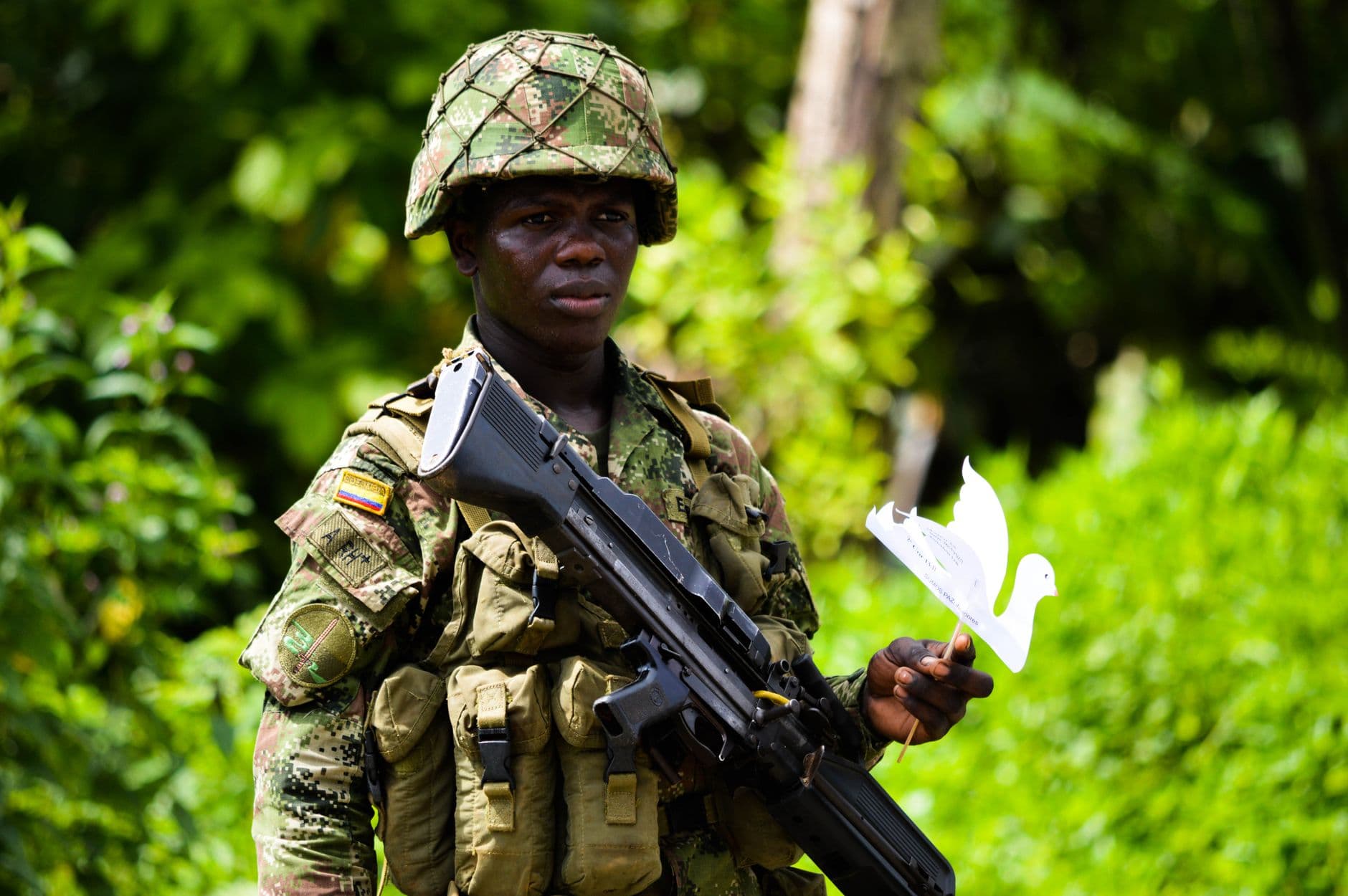
Colombia has seen this pattern before. In the 2016 peace deal with the FARC, more than 13,000 fighters laid down their arms. But the withdrawal also left openings in rural areas that smaller armed groups moved quickly to fill. Thursday’s surrender is far smaller, but it carries the same question: whether disarmament can be matched by lasting state control, or whether another vacuum will invite the next generation of armed actors back in.
This article was produced by Prism’s automated news system from verified source data, official records, and press releases, then run through automated quality and moderation checks before publishing. The system is built and supervised by the people who set the standards it runs under. Read our full AI policy.
Did this article answer your question?