Colorado Democrats back progressives, oust DeGette in primary upset
Melat Kiros toppled Diana DeGette in Denver as Colorado Democrats also backed Manny Rutinel and Phil Weiser, a sharp sign the party’s establishment is losing its grip.

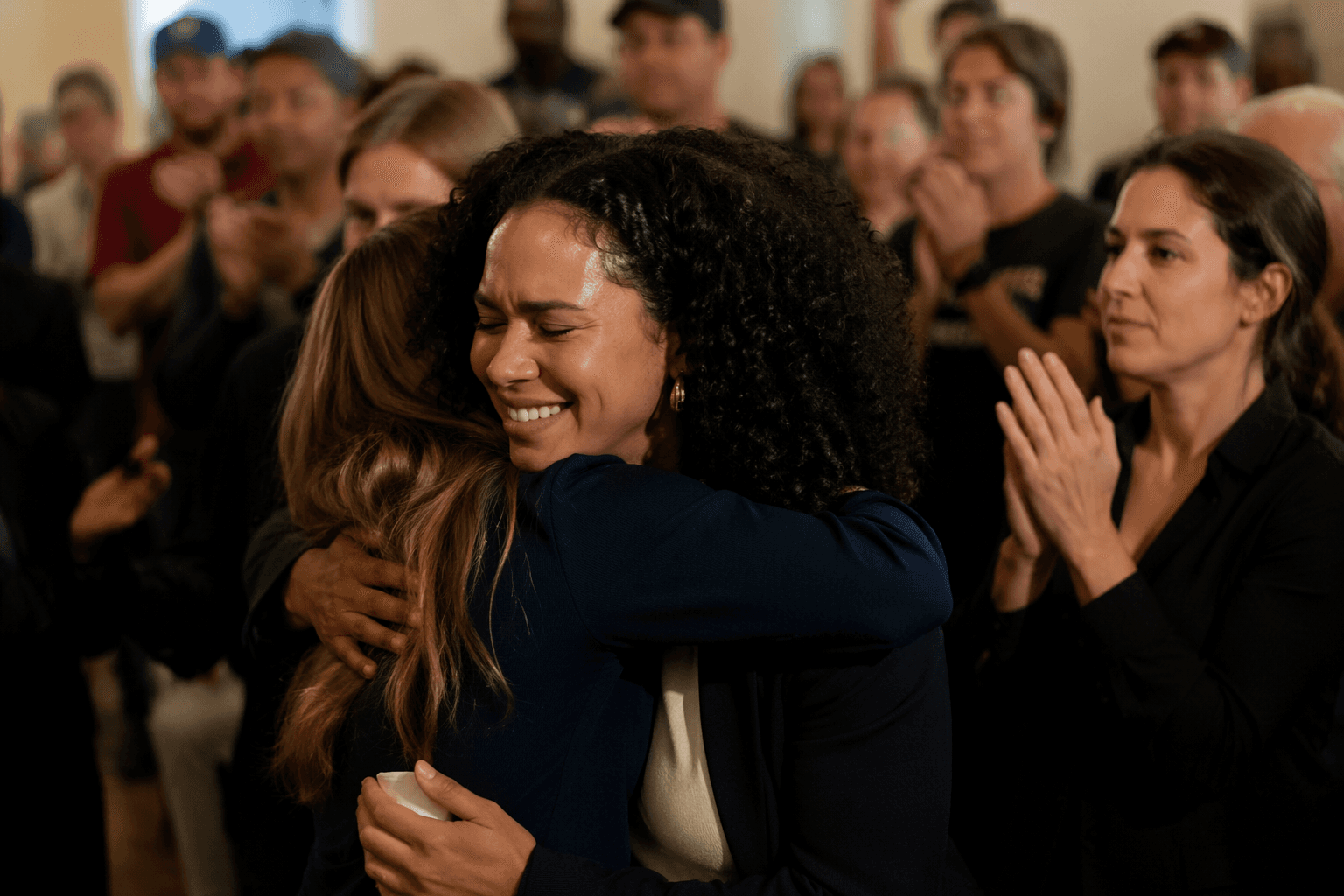
Melat Kiros knocked out Diana DeGette in Denver’s 1st Congressional District, ending a 29-year run that had made the longtime incumbent one of Colorado’s most durable Democrats. Kiros, 29, led DeGette, 68, by about 48.6% to 44.2% as ballots were counted, a result that underscored how quickly the state’s Democratic primary electorate turned toward younger, more overtly progressive candidates.
The upset was especially striking because DeGette first took office months before Kiros was born. Kiros ran with endorsements from Bernie Sanders, the Democratic Socialists of America and Justice Democrats, and built her campaign around a sharper break with the party’s traditional leadership. Colorado Politics said the result was only the second time in more than 50 years that a Colorado incumbent member of Congress lost renomination in a primary.
Progressive energy was not limited to Denver. In Colorado’s 8th Congressional District, Manny Rutinel defeated Shannon Bird for the Democratic nomination, with Evan Munsing also in the race. The district, created in 2021 and stretching across parts of Adams, Larimer and Weld counties, has already become one of the country’s closest-margin battlegrounds, and Rutinel’s win gives Democrats a candidate who can now try to hold a seat that Republican Gabe Evans won in November.
The same anti-establishment current helped shape the governor’s contest, where Attorney General Phil Weiser beat U.S. Senator Michael Bennet 55% to 45% for the Democratic nomination to succeed term-limited Governor Jared Polis. The Associated Press called the race just after 8 p.m. Bennet had higher name recognition and benefited from $11 million in outside spending, but Weiser leaned on his record of suing the Trump administration more than 60 times since Trump’s second term began and cast Bennet as part of Washington’s stale politics.
Bennet had entered the race last spring after what had looked like a wide-open contest, saying solutions to Coloradans’ problems would not come from “Washington’s broken politics.” Weiser, 57, and Bennet, 61, share East Coast roots, legal backgrounds and a family history tied to Holocaust survivors, but the campaign turned less on biography than on which Democrat could best claim the anti-incumbent mantle.

The pattern in Colorado echoed primaries in New York and Maine, where Democrats have also gravitated toward candidates who present themselves as more combative and less tied to party institutions. Ro Khanna, a progressive California Democrat, summed up the mood by saying, “The energy in our party is with bold progressives.” Republicans quickly moved to use the results as evidence that Democrats are drifting left on Israel, ICE and corporate PAC money.
Turnout helped give the insurgents room to win. Colorado officials said more than 639,000 ballots had been returned by June 26, about 14% of registered voters at the time, and later said the 2026 primary drew the highest turnout since at least 2018, excluding the pandemic-era 2020 contest. With DeGette gone, Rutinel elevated, and Weiser powered through a crowded Democratic field, Colorado’s primaries showed that even in a reliably blue state, incumbency is no longer the shield it once was.
This article was produced by Prism’s automated news system from verified source data, official records, and press releases, then run through automated quality and moderation checks before publishing. The system is built and supervised by the people who set the standards it runs under. Read our full AI policy.
Did this article answer your question?

