Colorado River Indian Tribes assert senior water rights for local benefit
CRIT declared senior water rights and tribal sovereignty non-negotiable at the CRWUA conference. The tribe plans irrigation modernization and expanded on-reservation agriculture to boost local economy.
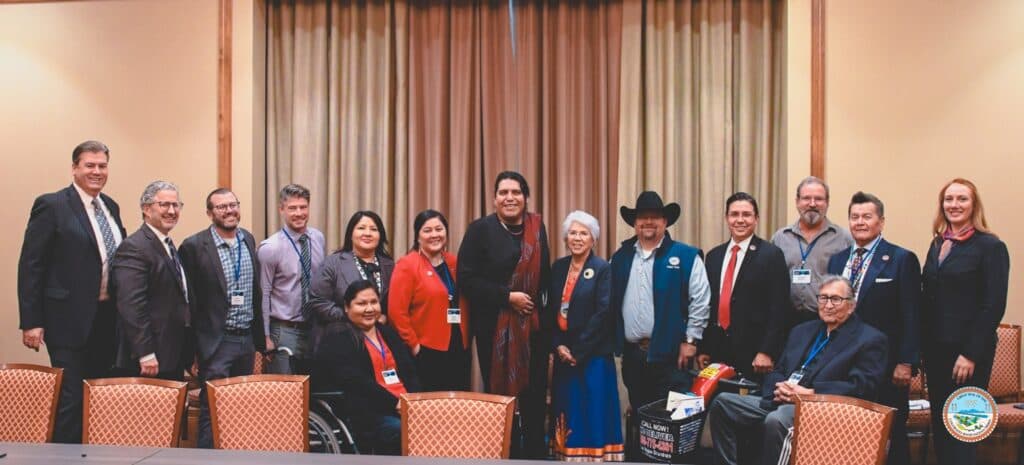
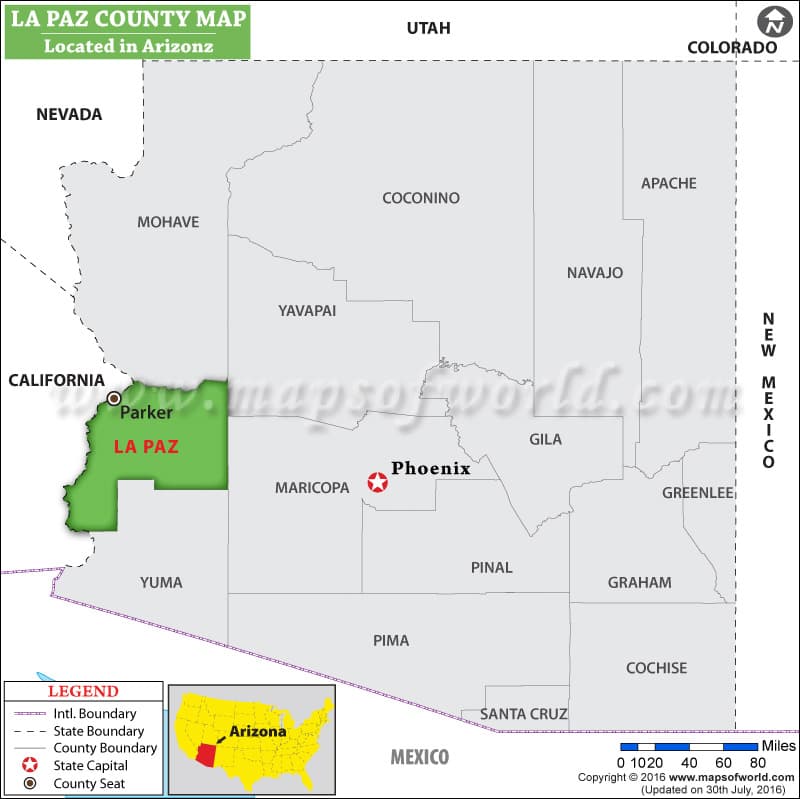
The Colorado River Indian Tribes (CRIT) made a direct appeal to basin leaders at the Colorado River Water Users Association conference, framing senior water rights, tribal sovereignty and stewardship of the Colorado River as non-negotiable priorities. The delegation presented a multi-pronged strategy to expand on-reservation agricultural use, modernize irrigation infrastructure and take a more active role in basin negotiations to ensure tribal water rights are enforced and converted into economic opportunity for La Paz County.
CRIT’s delegation on January 15 included Tribal Council members, legal counsel and water resources leaders who participated on panels and in closed-door discussions. The tribe emphasized legal and policy tools it has adopted to strengthen its standing in basin decision-making, notably the CRIT Water Code and the tribe’s personhood resolution that recognizes the Colorado River’s legal status. Those measures, the delegation argued, provide a clearer framework for asserting rights and participating in negotiations over scarce supplies.
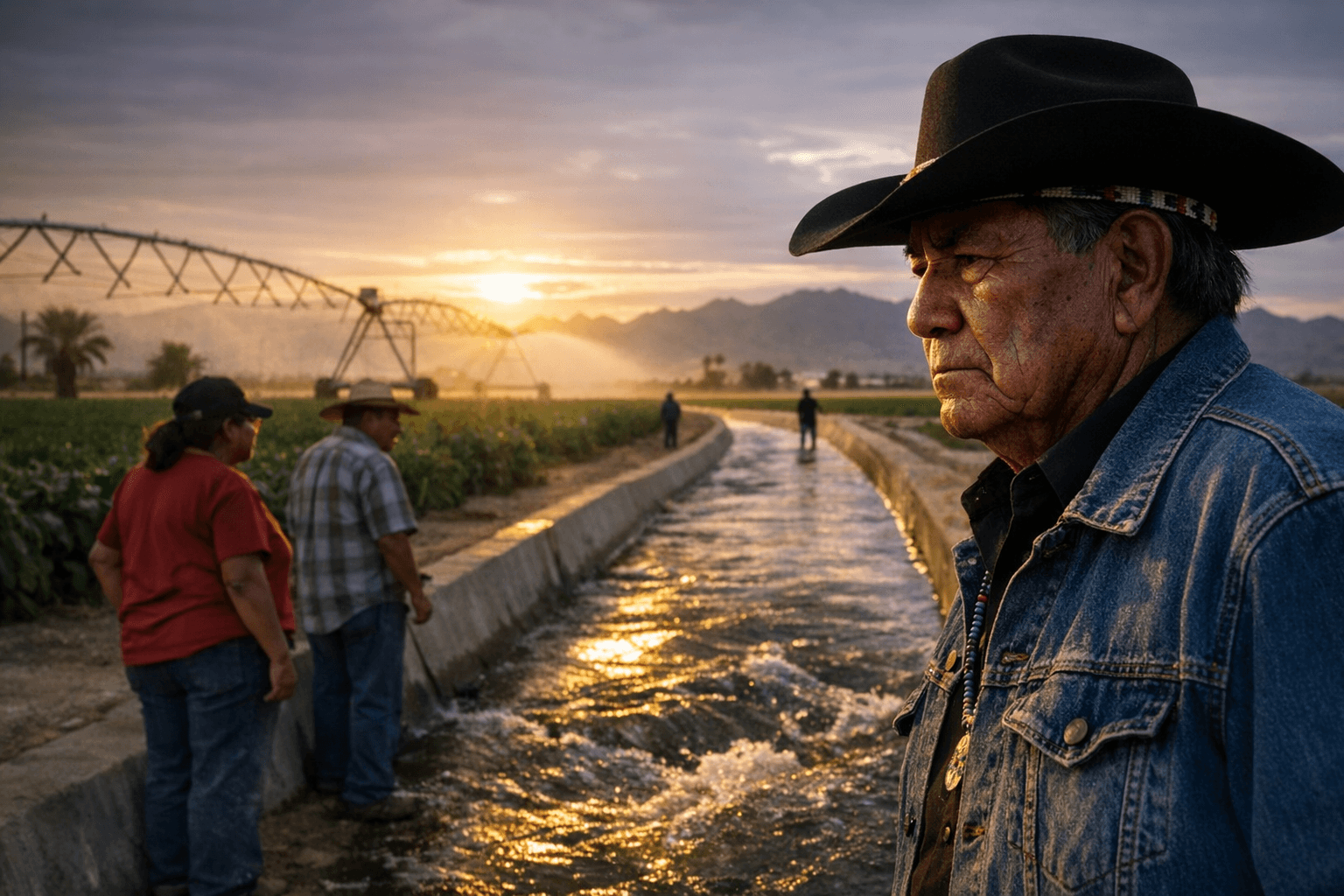
Panel participation was aimed at coalition-building with other Basin tribes and water stakeholders. CRIT leaders positioned the tribe as both a rights holder with senior entitlements and as a practical manager seeking to rehabilitate and upgrade on-reservation irrigation systems. Plans discussed at the conference focus on canal modernization, efficient delivery systems and expanded agricultural acreage within reservation boundaries so water retained under tribal control can deliver local jobs and revenue.
For La Paz County residents, the CRIT strategy has immediate and longer-term significance. Short term, infrastructure projects on or adjacent to the reservation could create construction and farm employment and alter the timing and location of water deliveries. Longer term, a stronger tribal presence in basin negotiations may reshape regional water management as tribes collectively press for enforcement of senior rights and for mechanisms that allow water to be used as an economic asset on tribal lands.
The use of legal instruments such as the CRIT Water Code and the personhood resolution signals a willingness to press both legal and policy avenues in Washington and among the seven Colorado River Basin states. CRIT’s approach reflects a broader trend of Basin tribes coordinating to increase leverage in interstate and federal forums where allocations, shortages and conservation measures are negotiated.
What comes next for La Paz County will be determined in part by how basin talks unfold and by the tribe’s next steps in implementing irrigation upgrades and agricultural expansion. Residents should expect proposals for local projects, potential partnerships, and continued tribal engagement in regional water talks as CRIT works to convert senior water entitlements into sustainable economic development for the community.
Sources:
Know something we missed? Have a correction or additional information?
Submit a Tip