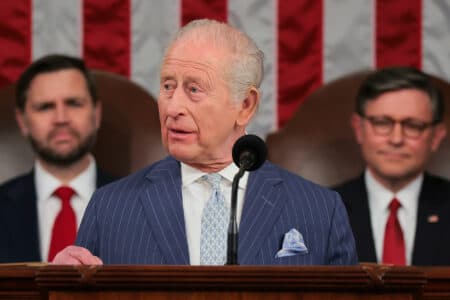
Comey faces federal charges over deleted seashell post, free speech fight looms
James Comey is charged over a deleted seashell post, but prosecutors must prove it was a true threat, not protected political speech.

James Comey is back in federal court over a deleted Instagram post that showed seashells arranged to read 86 47, a sequence Trump allies cast as a threat against Donald Trump, the 47th president. The caption on the post read, “Cool shell formation on my beach walk,” and Comey has said he took the arrangement as a political message, not a call to violence.
The Justice Department said a federal grand jury in the Eastern District of North Carolina returned a two-count indictment on April 28, 2026. One charge invokes 18 U.S.C. § 871, the federal statute covering threats to harm the president, and the indictment says Comey, 65, knowingly and willfully made a threat to take the life of, and inflict bodily harm upon, the president. Secret Service agents had already interviewed Comey in May 2025 about the post, when investigators were assessing whether he intended to communicate a threat. Comey denied that he did.
The case turns on that distinction. In federal threat prosecutions, prosecutors do not just need to show that a message alarmed political allies or spread quickly online. They must prove beyond a reasonable doubt that the defendant intended a threat, or at minimum that the statement amounted to a true threat rather than protected political expression. That is a much harder burden when the disputed language is indirect, ambiguous, and wrapped in a public-facing post that can be read more than one way.
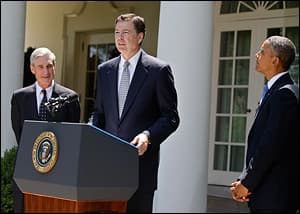
That is why the context of 86 47 matters so much. Trump supporters read 86 as slang for getting rid of someone and linked 47 to Trump’s office. Comey’s defense is likely to press the opposite reading: that the post reflected commentary, not violence, and that a beach photo with shells does not amount to an intent to threaten the president. Jessica Levinson, in analyzing the case for CBS News, said the Justice Department faces a high First Amendment hurdle if the post is viewed as political speech rather than a true threat.
The indictment also deepens the stakes for Comey personally. It is his second federal indictment after an earlier case was thrown out last year, making the new prosecution part of a broader pattern of renewed legal pressure on one of Trump’s most prominent political antagonists. The legal fight ahead will not hinge only on what the post said, but on what Comey meant, how readers understood it, and whether federal prosecutors can convince a jury that the line between political messaging and criminal threat was crossed.
Know something we missed? Have a correction or additional information?
Submit a Tip