Commander Ban List Explained: How to Check and Use
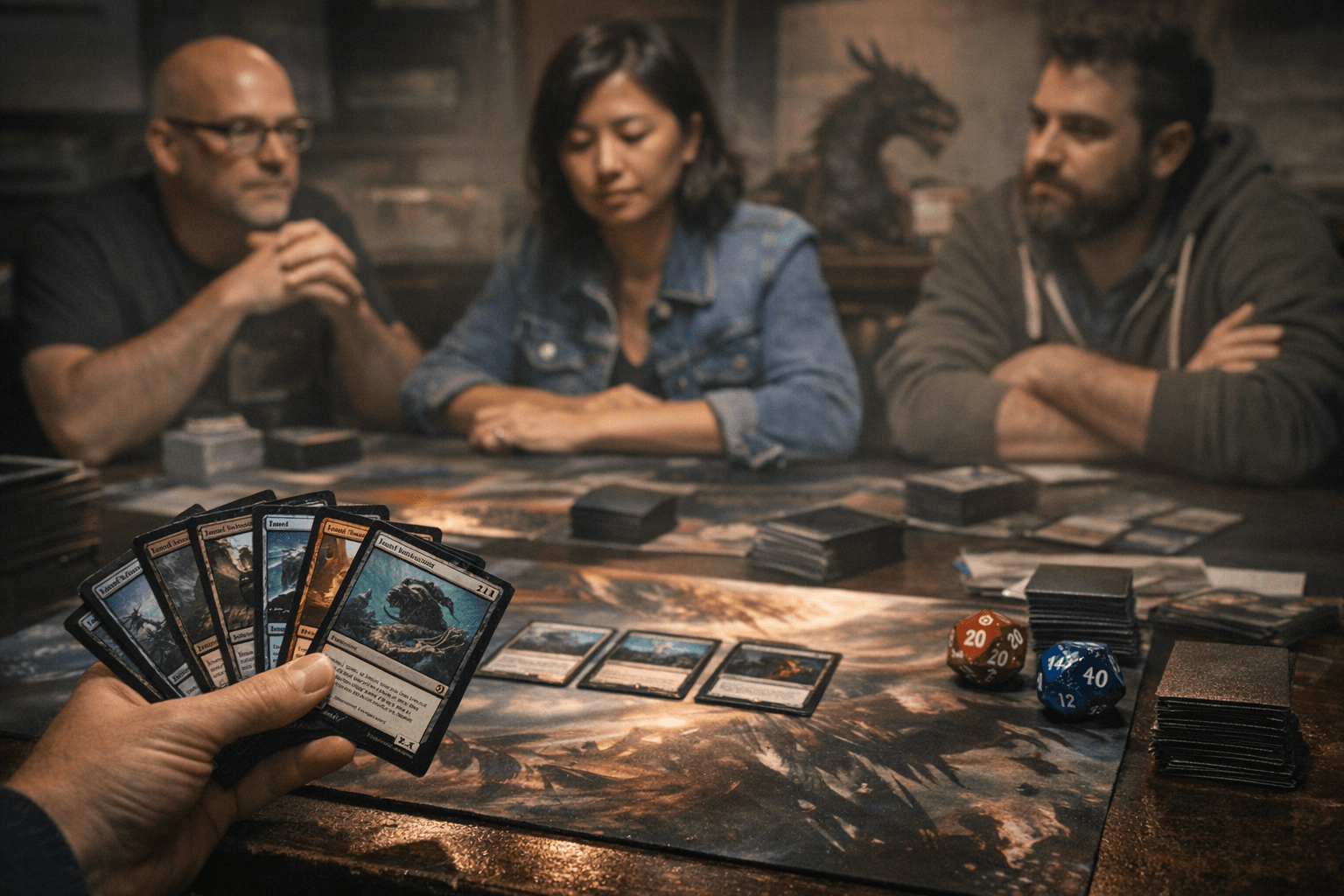
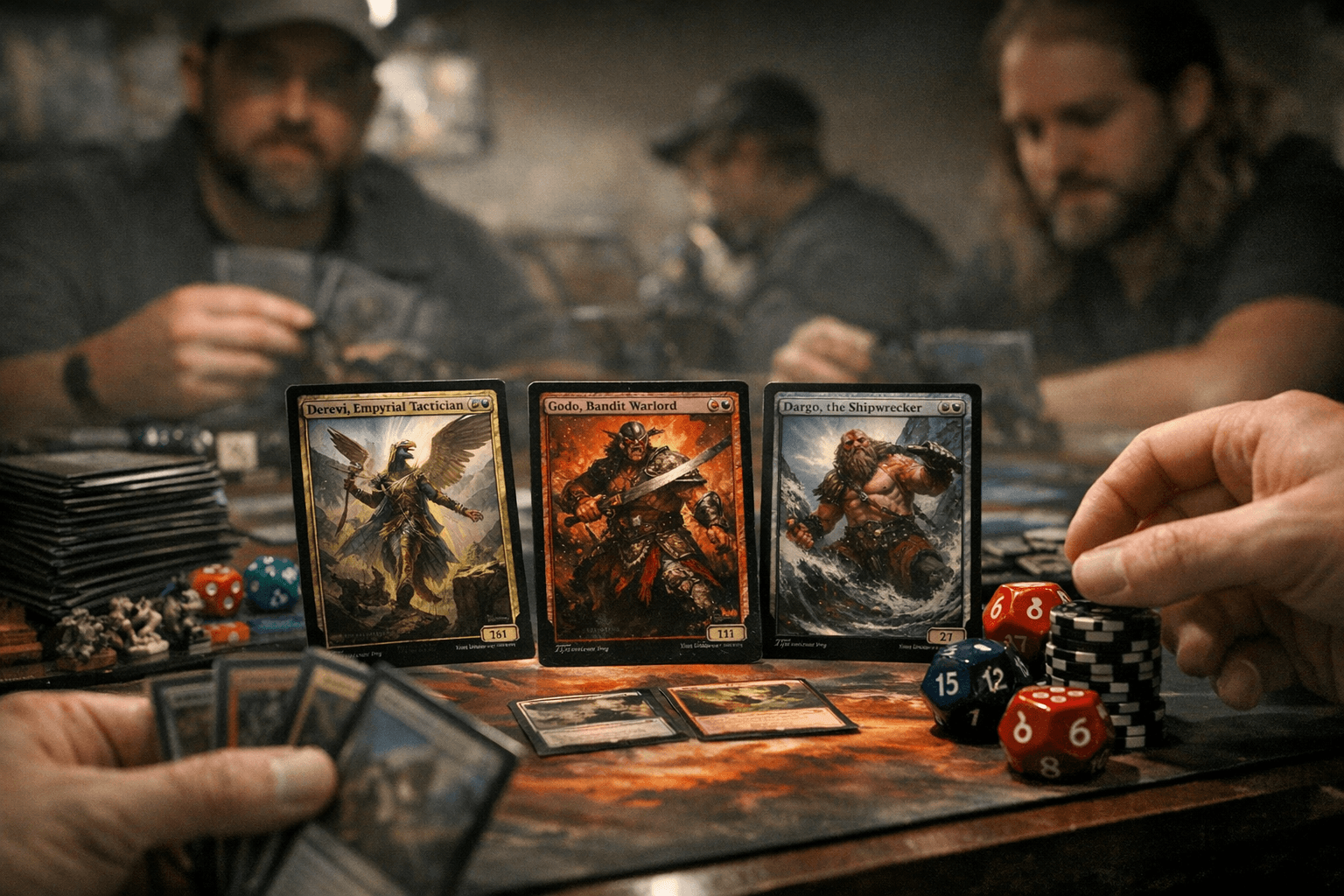
The Commander ban list is the official roster of cards players may not use in multiplayer Commander, maintained by the Commander Format Panel and related official sources. Knowing how to verify legality, why cards are banned, and when to respect local house bans prevents last-minute surprises at the table and saves time and money when building or upgrading decks.
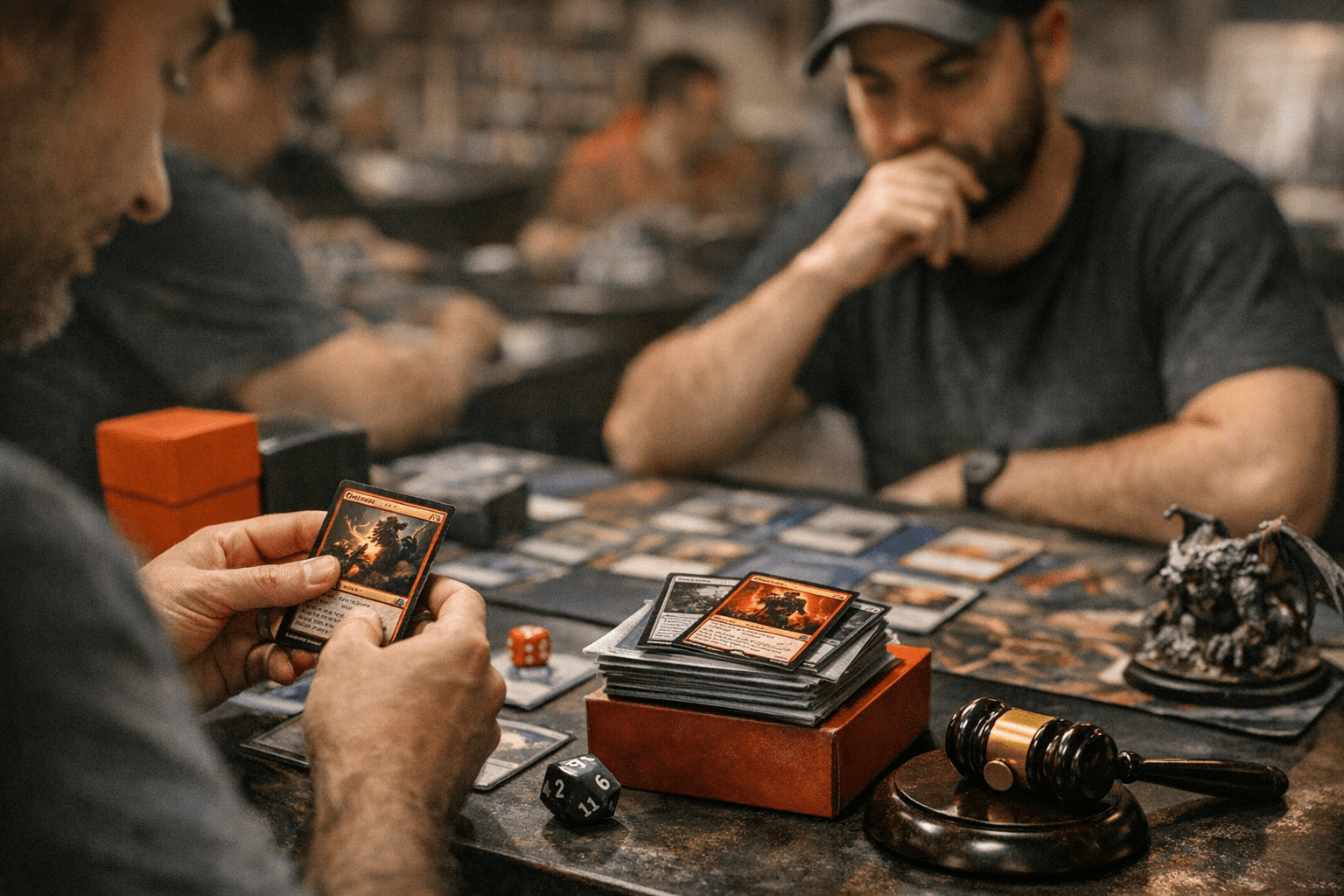
The Commander ban list determines which cards are not legal in multiplayer Commander and is maintained by the Commander Format Panel and official Commander sources. It is the authoritative reference tournament organizers, stores, and many playgroups rely on, and checking it should be a routine step before building, borrowing, or buying for a Commander deck.
Check the official Commander format page first for the current list; community hubs such as EDHREC can help confirm a card’s popularity and typical interactions but do not replace the official ruling. Verify three basic constraints when you assemble a deck: 100-card singleton construction, the commander’s color identity, and that none of the cards appear on the ban list. Confirm legality again before attending events or lending a deck to someone else.
Cards are typically banned for gameplay reasons, not rarity or price. The most common grounds are designs that create unfun games: cards that produce excessively consistent combo wins, extreme resource denial that prevents other players from meaningfully participating, or cards that warp deckbuilding and table dynamics so severely that healthy multiplayer play becomes impossible. The ban list evolves slowly; rulings and removals are deliberate, so expect changes to be rare but impactful.
Many playgroups also maintain local house bans or pod lists to suit their preferences, and those lists can differ widely. Some tables ban mass-coin-flip effects, certain infinite combos, or strategies that make games unusually fast or glacial. Always confirm with your table before the game starts: what is legal at one store or event may be frowned upon in a casual circle and vice versa.
Practical steps to avoid last-minute problems: run a quick legality check any time you upgrade or borrow a deck, looking specifically for duplicate copies, color-identity violations, and banned cards. Check high-value singles before purchase; the ban list can make a pricey card unusable in Commander, so confirm legality before spending. If a banned card turns up in your deck, choose replacements that preserve your deck’s strategy but respect singleton and color-identity rules.
For event organizers and store owners, communicate clearly which lists you enforce and when. For players, keep the official Commander format page bookmarked and make legality checks a regular habit. Doing so keeps games fair and fun, avoids awkward enforcement at the table, and protects your time and money when building Commander decks.
Know something we missed? Have a correction or additional information?
Submit a Tip