Commander Charged After Russian Strike on Eastern Ukraine Award Ceremony
Ukrainian prosecutors have charged a military commander with negligence after a Russian strike hit an award ceremony in eastern Ukraine during a broader overnight assault. The case underscores growing scrutiny of battlefield safety amid intensified Russian drone and missile campaigns that are also crippling Ukraine’s energy system and deepening economic and security risks.
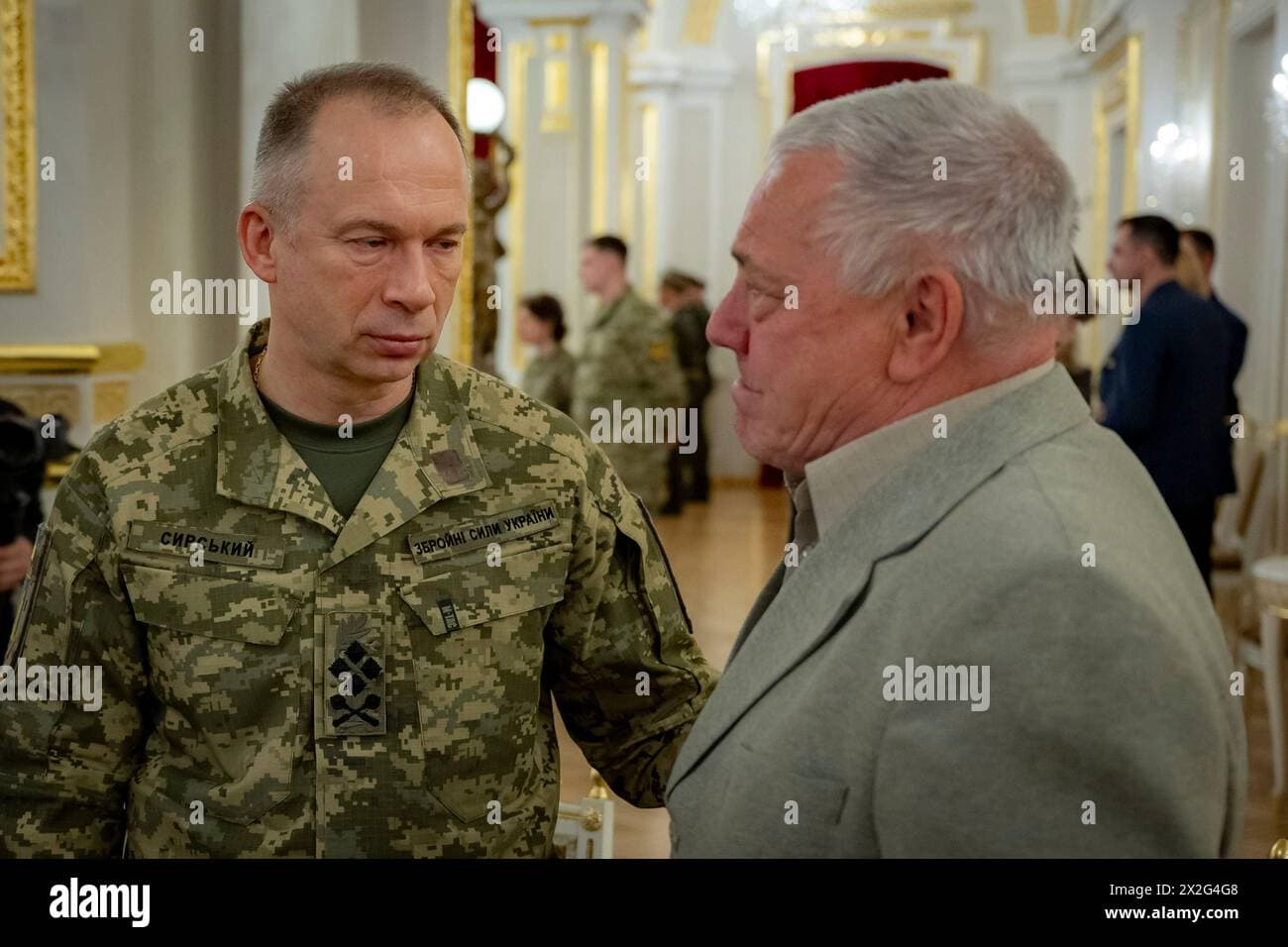
Ukrainian authorities announced criminal charges against a commander on Nov. 8 after a Russian strike struck a military award ceremony in eastern Ukraine, a development that adds a legal and political dimension to Kyiv’s response to increasingly frequent attacks on troop gatherings and civilian infrastructure. The move came amid one of Russia’s most expansive overnight assaults, which Ukrainian officials say employed a combination of missiles and drones across multiple regions.
Prosecutors opened the negligence case as part of an investigation into circumstances surrounding the strike. The public announcement, updated later to include an additional statement from law enforcement, did not release exhaustive details of the probe, but framed the charge as an accountability measure for how personnel and facilities were protected during a wartime public event. The decision signals growing domestic pressure on military commanders to manage force protection even as the tempo of Russian strikes rises.
The attack on the ceremony occurred on the same night that Russian forces struck Ukraine’s energy infrastructure. State-owned power operator Centrenergo said on Nov. 8 that “all of its power plants are down” after what it described as the largest-ever attack on Ukraine’s energy sector, with restored capacity destroyed and plants generating no power. Kyiv faces more than 12 hours of emergency power cuts, a stark reminder that physical safety on the battlefield is increasingly linked to broader vulnerabilities in national energy and logistics systems.
For military planners and policymakers, the incident crystallizes competing priorities: sustaining morale through public recognition of service, while avoiding concentrated gatherings that present lucrative targets for long-range drones and missiles. The criminal charge illustrates a policy response that emphasizes individual accountability for lapses in force protection, even as commanders contend with constrained air defenses and a shifting tactical environment.
Economically, the dual strikes on security and energy create immediate and medium-term risks. Widespread outages and damage to generation capacity increase fiscal pressures by raising emergency procurement and reconstruction costs, and they complicate industrial production and supply chains. Investors and lenders monitoring sovereign credit risk focus on the durability of critical infrastructure; large, repeatable disruptions can widen risk premia and complicate access to capital, while also deterring foreign direct investment in affected regions.
Longer-term trends point to an intensification of strategic attacks designed to undermine both military effectiveness and civilian resilience. Kyiv’s response, balancing legal accountability, operational adaptation, and investments in air defenses and grid hardening, will shape how effectively it mitigates those threats. The negligence case is likely to reverberate through the armed forces, prompting reassessments of security protocols for public events and highlighting the intersection of military command responsibility with the broader economic and societal costs of sustained strategic attacks.
This article was produced by Prism’s automated news system from verified source data, official records, and press releases, then run through automated quality and moderation checks before publishing. The system is built and supervised by the people who set the standards it runs under. Read our full AI policy.
Did this article answer your question?