Community-led study maps barriers to healthy eating in Phillips County
A nine-month project in Marvell and Elaine identified barriers to healthy eating and pushed for community-driven, culturally respectful solutions.
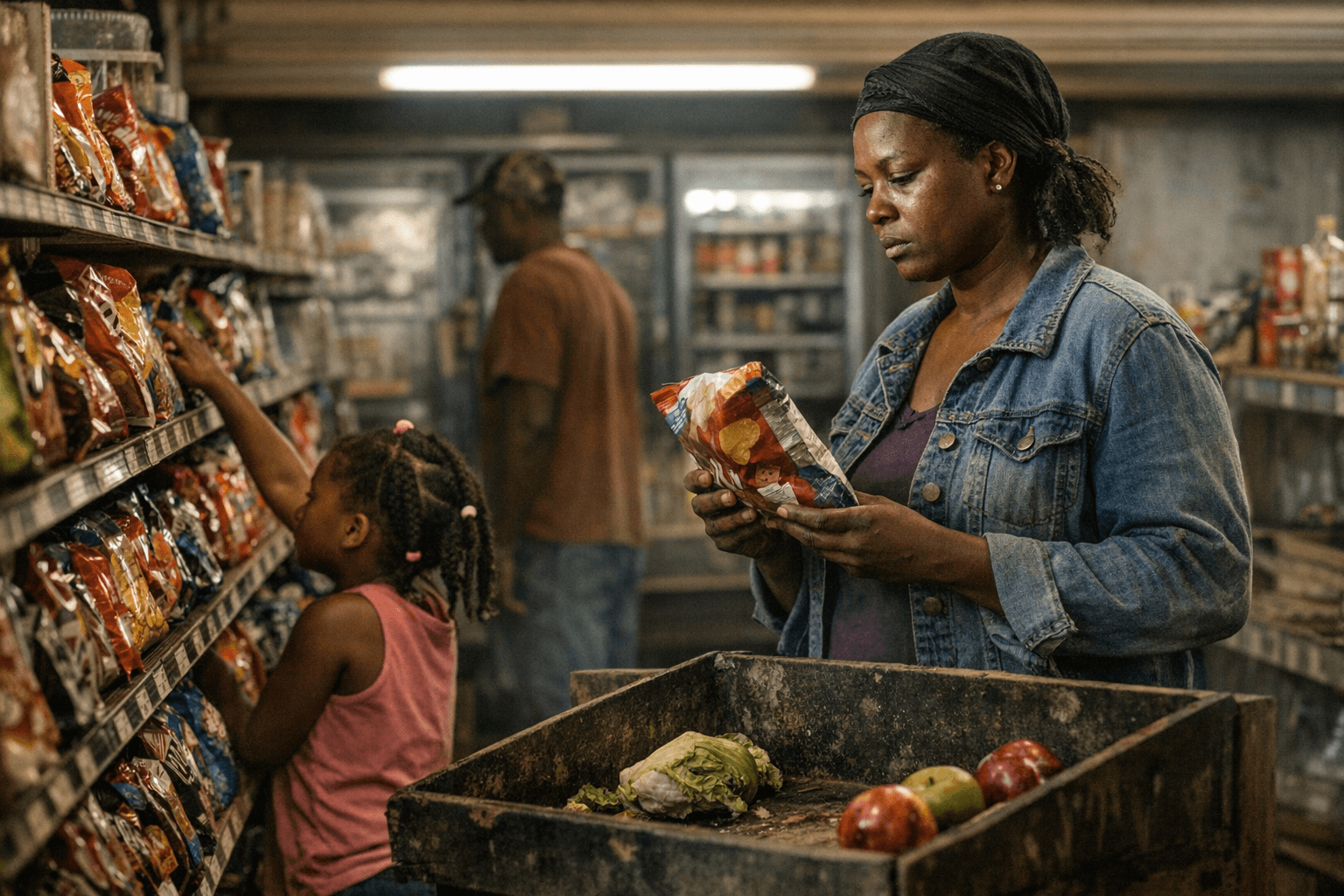
Residents of Marvell and Elaine took the lead in a nine-month community-based study that documented why healthy eating and obesity interventions have struggled in Phillips County and laid out locally shaped steps forward. The project, supported by a $25,000 pilot award, used in-person listening sessions and focus groups to gather frank feedback from town residents and to build a foundation for durable, community-driven programs.
The study convened five focus groups of about 20 to 25 people each, with most participants aged 18 to 39. Meetings were hosted in partnership with the Marvell Boys, Girls & Adults Community Development Center. Researchers explored perceptions of nutrition, local food insecurity, maternal nutrition concerns, awareness of local obesity rates, and community views on past health interventions. The work wrapped up in November 2025 and was presented to residents at a final event called Seeds for the Harvest, where participants discussed practical, sustainable options.

Methodologically, the project prioritized listening over lecturing. In-person sessions created space for residents to describe barriers such as access to affordable fresh foods, competing time demands, and social factors that shape eating habits. Participants emphasized deep mistrust of outside researchers and stressed that future efforts must be culturally respectful and community driven rather than imposed from the outside. Those themes shaped the conversation around feasible next steps, including locally led nutrition education classes and stronger partnerships with the Marvell-Elaine school EAST program to reach families and young adults.
The project was led by Tiffany Miles, Ph.D., an instructor in the UAMS College of Medicine Division of Nutrition and a researcher with the UAMS Translational Research Institute. As a pilot study, the $25,000 award paid for community meetings and a final public forum designed to translate resident priorities into actionable plans. The concentrated focus on listening aimed to rebuild trust and to surface solutions that fit local rhythms, from school-based partnerships to peer-led education and food-access strategies that acknowledge work schedules and transportation limits.
For Phillips County residents, the study offers more than findings: it creates a roadmap for programs that respect local culture and leadership. Community organizations and school partners are now positioned to turn participant ideas into pilot programs, such as community nutrition classes and EAST-program collaborations that link students and families with practical skills and resources.
What comes next is practical: residents should watch for locally organized classes and school partnerships and expect future efforts to be led by community voices. If the Seeds for the Harvest event is any guide, Phillips County’s next chapter on nutrition will grow from the ground up.
Sources:
Know something we missed? Have a correction or additional information?
Submit a Tip