Community pushes to restore Newburgh-Beacon ferry amid shuttle expansion
Ferry advocates delivered nearly 2,000 signatures urging restoration after the state expanded a bridge shuttle. Restoring the ferry affects commuting, housing and waterfront development.
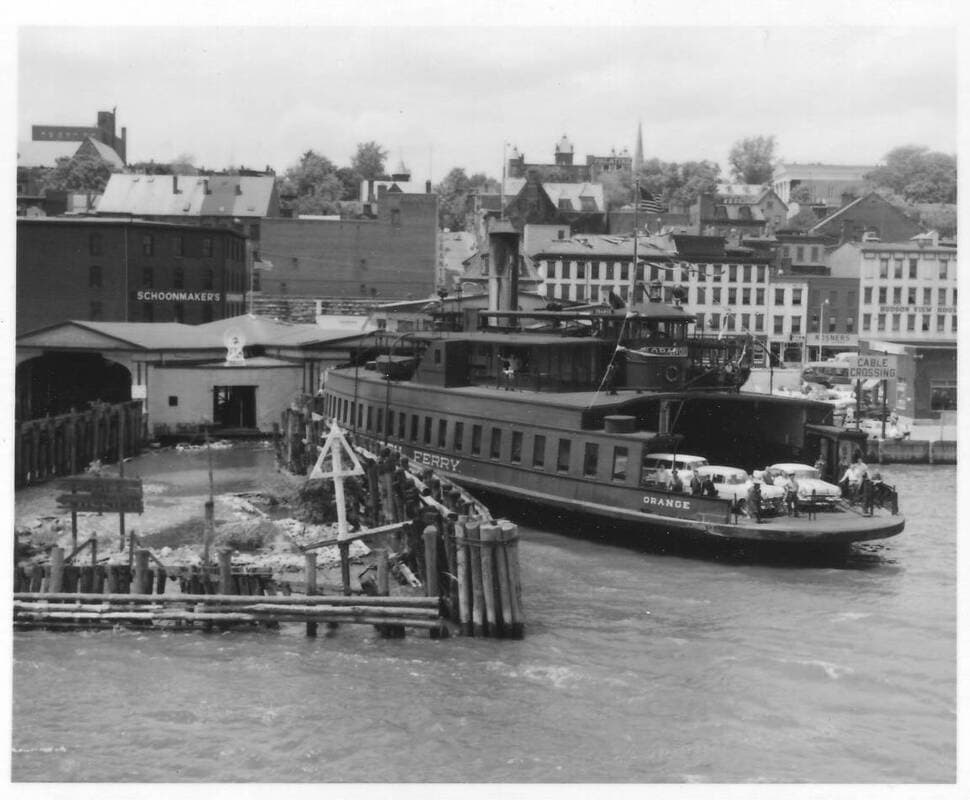
Two weeks after the state announced an expansion of a free shuttle service across the Newburgh-Beacon Bridge, local advocates delivered a petition pressing state leaders to restore ferry service between Newburgh and Beacon, arguing the shuttle cannot substitute for the boat’s speed, reliability and role in local planning.
The Save the Ferry Community Coalition handed nearly 2,000 documented expressions of support to Gov. Kathy Hochul’s office in December. The packet included more than 1,700 individual signatures, letters from businesses and organizations, and formal resolutions from Orange County, Dutchess County, the town of Newburgh and the city of Beacon. Coalition members say those endorsements reflect broad community interest in reviving the short Hudson River crossing.
State Department of Transportation officials moved to expand a free shuttle over the bridge after Metro-North discontinued the ferry when the Beacon dock was damaged. The agency cited dwindling ridership and high operating costs; MTA officials reported average daily ferry ridership fell to 62 passengers in 2024 and that operating the service cost roughly $2.1 million annually. Advocates counter that the ferry’s eight-minute crossing offered a faster, more reliable commute than the shuttle’s roughly 15-minute trip on a good day and significantly longer travel times in heavy traffic.
Local elected officials, including state Assemblyman Jonathan Jacobson and U.S. Rep. Pat Ryan, have indicated they will continue to press for funding and for a phased return of ferry service. Policy options under discussion include pilot weekend service evolving toward daily runs and investment in electric ferries to reduce operating costs and environmental impact. Advocates and some lawmakers frame ferry restoration as an essential element of waterfront redevelopment plans and future housing and transit investment in Newburgh, arguing that transit reliability influences where residents live and where businesses locate.
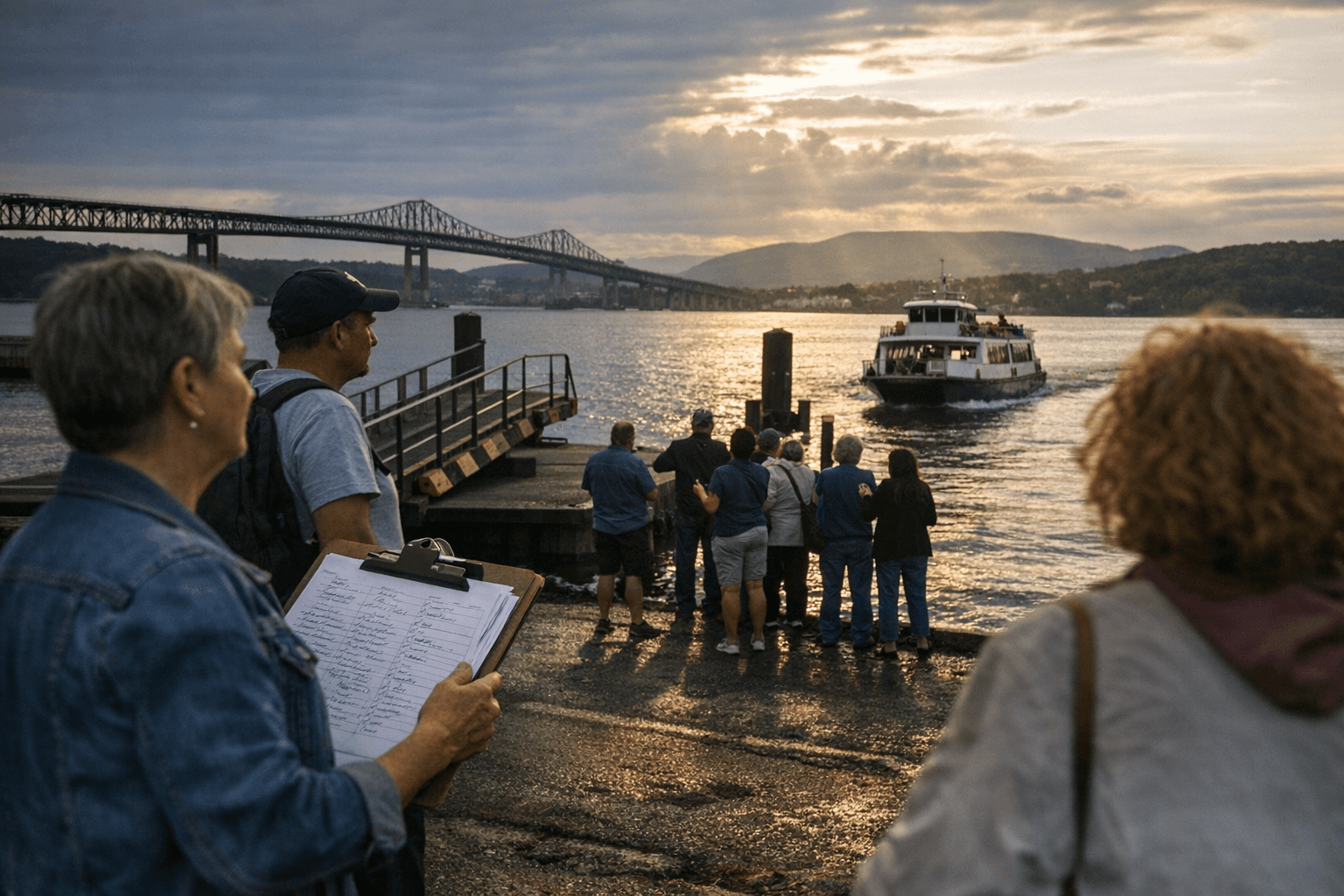
The debate highlights a set of policy choices for county and state leaders: prioritize capital repairs to waterfront infrastructure, subsidize ongoing operating costs, or invest in alternatives such as enhanced bridge shuttles and improved bus-rail connections. Each option carries trade-offs for travel time, taxpayer cost, ridership potential and local economic development.
For commuters and residents along the Beacon-Newburgh corridor, the immediate effect is a continued reliance on the expanded shuttle while political and budget discussions continue. The coming months will be decisive as local officials lobby for funding, state agencies evaluate operational models and community groups press for a restoration plan that ties ferry service to broader waterfront and housing strategies.
Sources:
Know something we missed? Have a correction or additional information?
Submit a Tip