Compact Primer Boosts Miniature Painting Skills With Practical Workflow
A compact, actionable primer lays out a step-by-step painting workflow designed to help painters preserve detail, speed progress, and produce cohesive finished pieces. The guide focuses on controlled priming, a limited palette and thinned paint application, layering and glazing techniques, and short focused practice sessions to accelerate improvement.
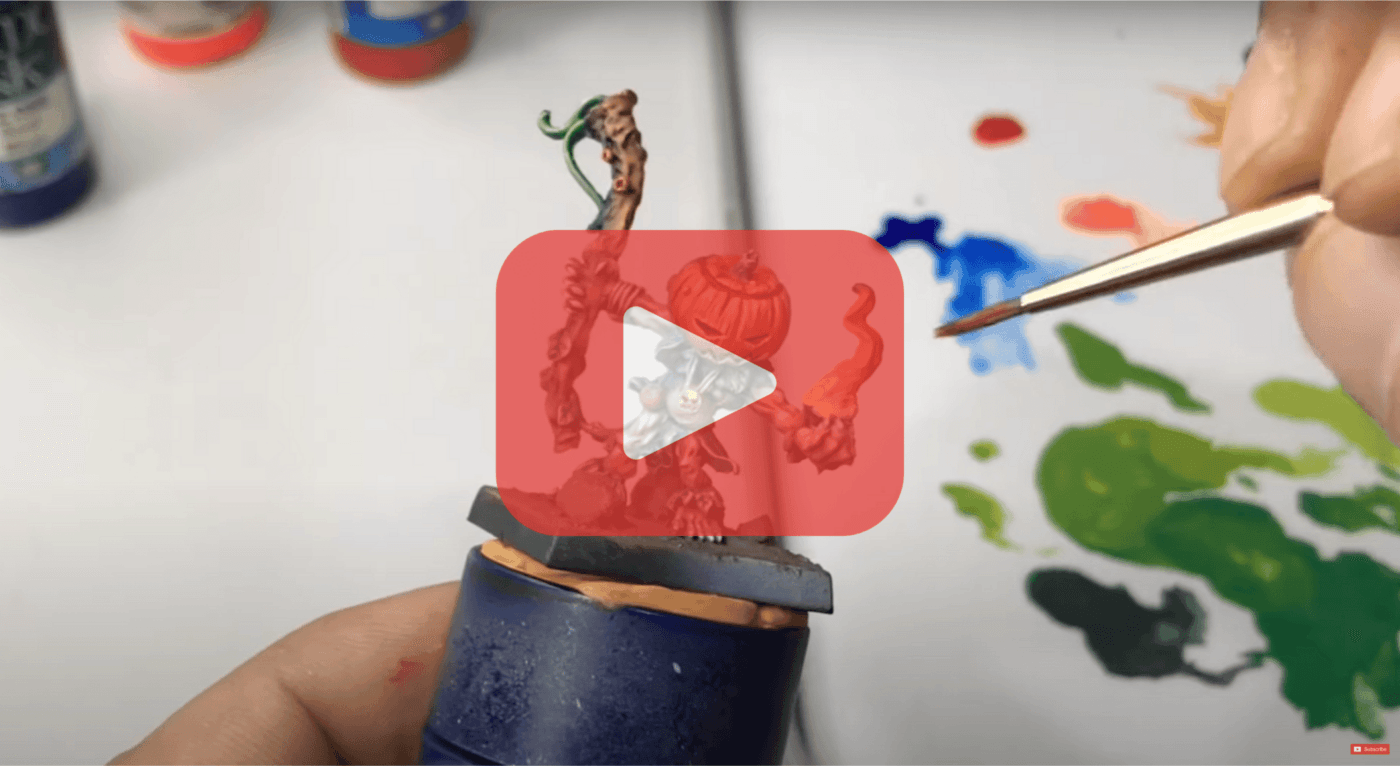
Preserve model detail from the start by keeping priming controlled and neutral. Use a mid-grey or neutral primer for reliable value checks and avoid heavy primers that obscure fine sculpting. If you have an airbrush, use it for large scale basecoating or a light zenithal prime to read values without filling recesses.
Limit complexity while you learn: choose a local midtone, one highlight, and one shadow for each major area and stick to those colors until the relationships are clear. Thin all paints to the consistency of skim milk and apply multiple thin coats rather than a single thick coat. That steady layering protects detail and gives you predictable color control.
A practical layering workflow keeps painting sessions productive. Block in midtones across the miniature, then move to successive thin highlights using either edge highlights for crisp forms or broader flesh highlights where smooth transitions are required. Use glazes to shift color temperature and unify transitions before applying final extreme highlights. For faces and skin, push slightly warm highlights while keeping shadows neutral to cool. That subtle temperature shift increases perceived contrast without oversaturating tones.
Understand when to wet blend and when to glaze. Wet blending speeds smooth transitions but needs predictable drying times and practice to avoid mottling on small surfaces. Glazing is slower but offers fine control and safety for delicate details; use thin translucent layers to adjust hue and value without softening edges unintentionally.
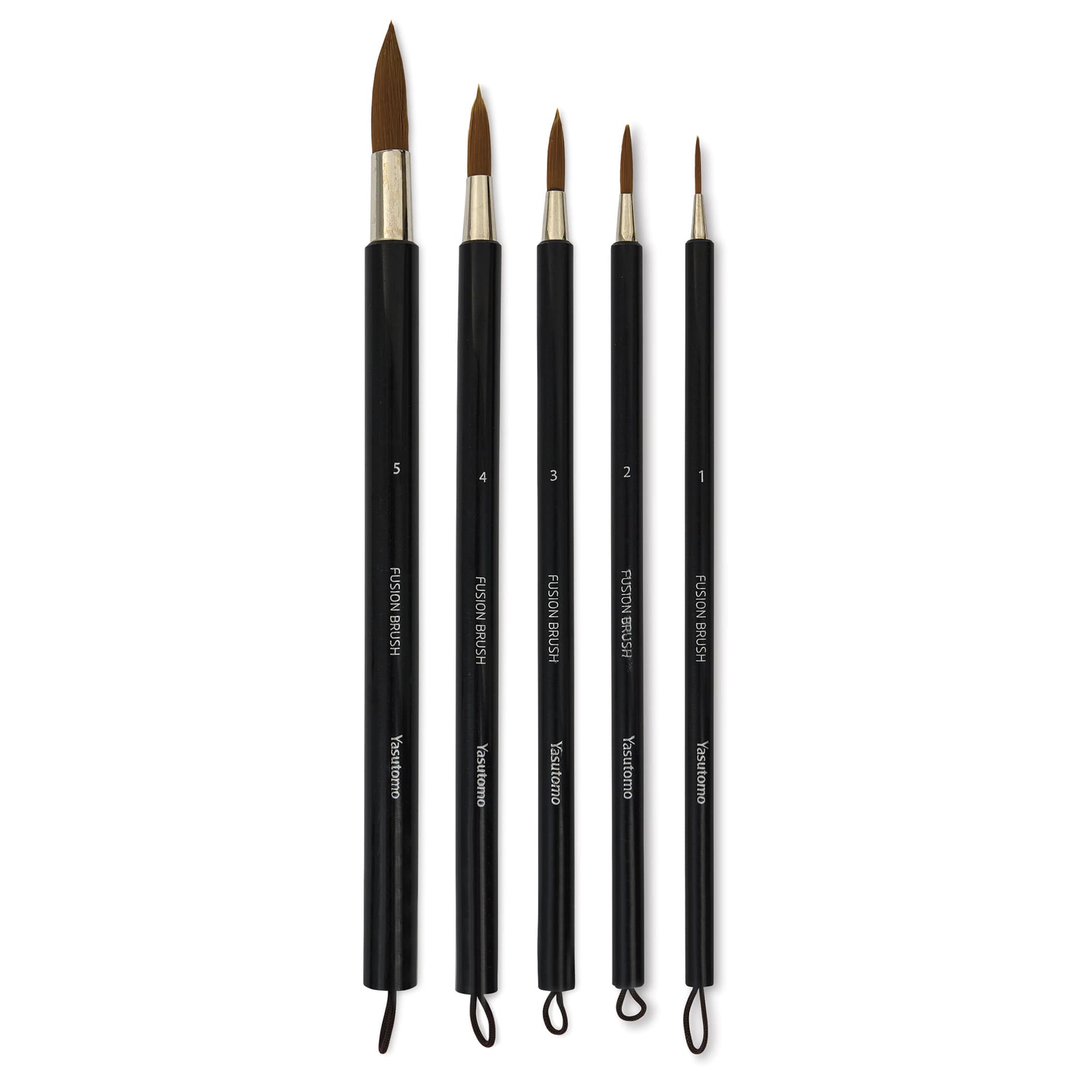
Tool choices matter for control and efficiency. A wet palette keeps mixes workable for longer. Use a kolinsky sable or a pointed synthetic brush for fine detail, and a selection of synthetic flats for fast basecoating. An airbrush is optional but useful for zenithal priming and large area smoothing.
Basing and presentation tie the miniature to a believable light story. Match base tones to the palette on the model and add small scenic elements such as tufts, rocks, or painted texture to anchor the figure. Consistent base lighting and color choices make your models read better on the tabletop and in photos.
Make practice deliberate. Keep sessions to 20 to 60 minutes and focus on a single technique each time. Short, targeted practice accelerates skill development and reduces burnout. Apply these steps on one miniature or a small test piece and you will see clearer form, cleaner edges, and more cohesive color relationships in a few focused sessions.
Know something we missed? Have a correction or additional information?
Submit a Tip