Compact Walking Tour Highlights Welch’s Mine Wars, Coal-Era Storefronts, Landmarks
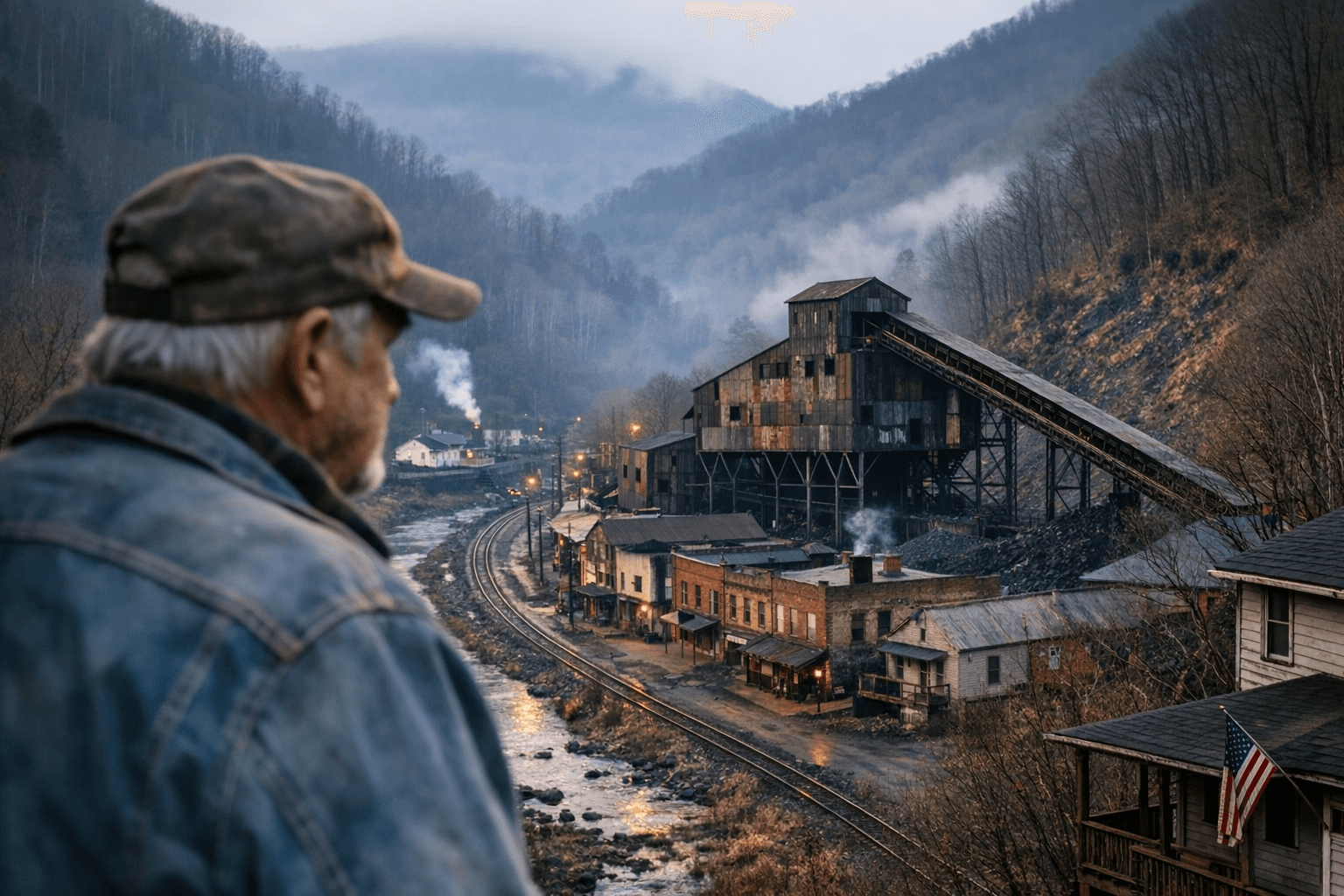
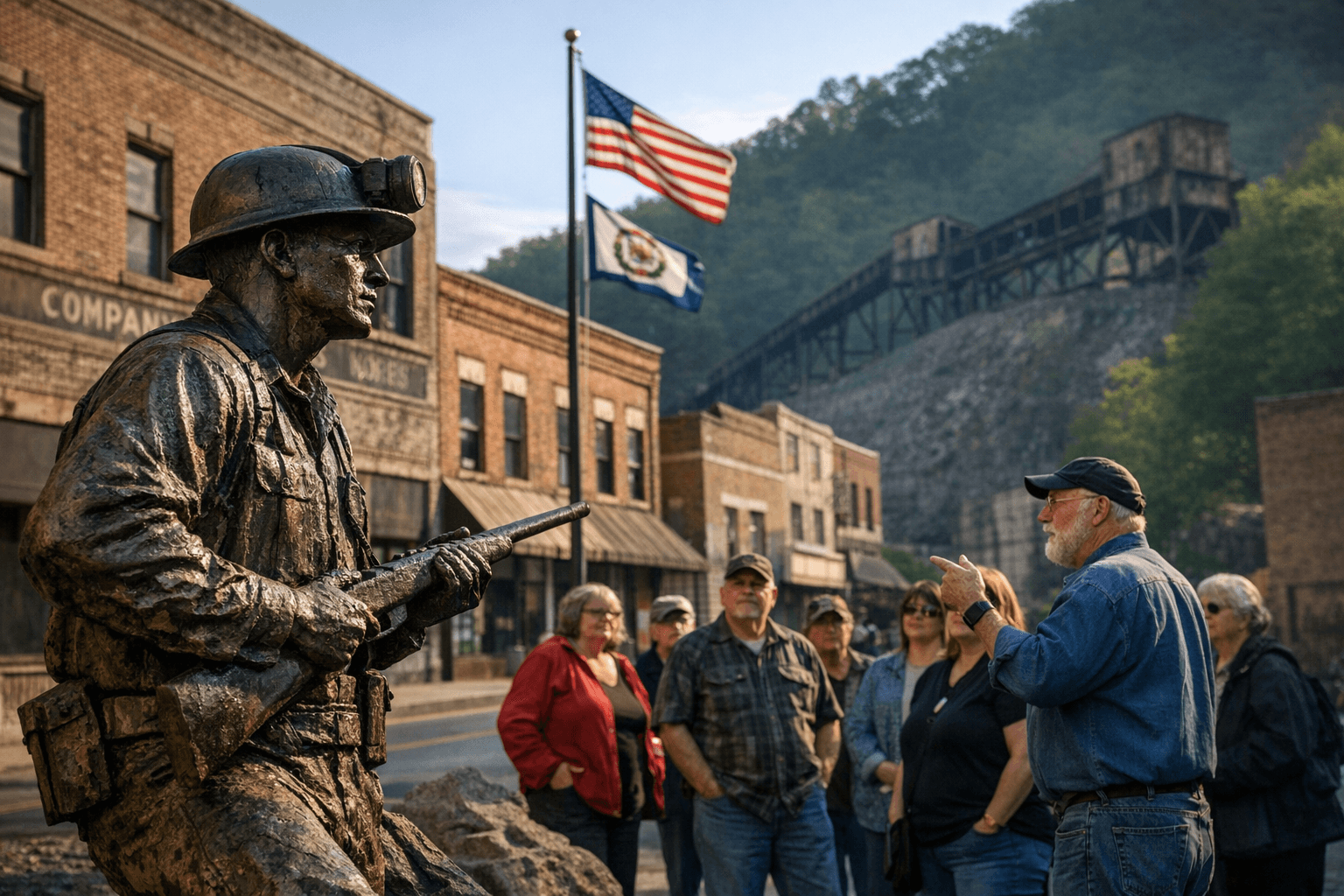
A compact walking tour in downtown Welch links visible Mine Wars history, coal‑era storefronts and civic landmarks with interpretive models from nearby heritage sites and statewide commemoration projects.
1. Tour concept and scope
This guide lays out a compact walking tour centered on downtown Welch and nearby historic spots intended to connect visitors and residents to McDowell County’s layered coal‑field history, civic landmarks, and cultural anchors. The original plan emphasizes easily reachable stops in Welch’s downtown core and adjacent sites that together tell the story of industrial work, community life, and civic institutions built around coal.
2. Mine Wars context: Marmet, Blair Mountain and statewide commemoration
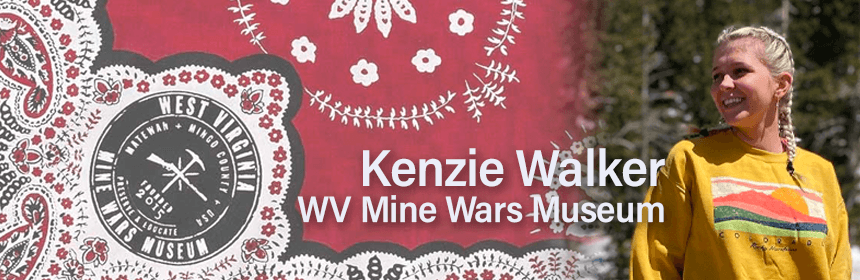
Welch’s tour should sit inside a larger West Virginia narrative: the miners’ march that began in 1921 and halted at Blair Mountain culminated in what has become “the largest labor uprising in U.S. history.” The West Virginia Mine Wars Museum — represented in reporting by executive director Kenzie New Walker, historian Dr. Lloyd Tomlinson and archaeologist Kenney King — is actively interpreting that history and has set an ambitious target: “by Mayday 2028, we hope to have built the country's largest labor history trail,” a project that could reshape how visitors traverse coal‑field sites from Charleston to Blair Mountain. The museum team also notes that “this history was not one that was taught in school textbooks,” underlining the interpretive gap the trail aims to fill and the potential for heritage tourism to bring new attention and economic activity to coal communities.
3. Coal‑era storefronts and civic anchors in Welch (what to expect)
The walking tour foregrounds coal‑era storefronts and civic anchors — the businesses, union halls, churches and post offices that anchored daily life in McDowell County — tying built fabric to labor and community stories. While the original tour summary focuses on downtown Welch stops, comparable artifacts of camp life appear at heritage sites elsewhere (see items 4–8) and help illustrate what visitors should look for in Welch: surviving façades, boarding‑house footprints, shopfront signage, and civic buildings that carried public life after shifts ended.
4. Evergreen: a comparative heritage model — mine opening (1915)
A useful interpretive model is the Evergreen heritage site, where “this mine opening was established in 1915 by the United Big Vein Coal Company” and has been recreated from photographs so visitors can experience a drift‑mine opening. The Evergreen description emphasizes that the mines there are drift mines — “a horizontal opening into the side of a hill” — where timber bracing was typically used for openings and roof support, offering a tactile way to explain mining engineering that can inform Welch interpretive text.
5. Evergreen: the Coal Trail (one mile, 20 stops)
Evergreen’s Coal Trail is a one‑mile path that follows a former coal‑car tramway and “features 20 environmental and history learning stops,” guiding visitors along the route coal took “from a mine opening to the incline plane, where the coal was lowered to the waiting railroad cars below.” That model — short, interpretive, and focused on the logistics of extraction and transport — is directly applicable to a Welch downtown tour that wants to condense industrial processes into a walkable loop.
6. Evergreen: blacksmith shop (1915)
At Evergreen a blacksmith shop “originally built in 1915 along the tramway” remains part of the visitor experience; the site explains how the blacksmith “would sharpen pick axes, drills, and other tools for the miners as well as make the shoes for mules and other needed tools for the coal camp,” and the shop “includes the original forge.” For Welch’s tour, an extant blacksmith footprint or a preserved hardware storefront would serve as a vivid anchor linking tools, labor and daily life.
7. Evergreen: boarding house (1921) and camp housing
Evergreen interprets worker housing through a duplex boarding house “originally built in 1921 by the United Big Vein Mine Company.” The duplex had no running water and “an outhouse was located out back,” and visitors can view a representative sleeping room and a common room used for cooking. These concrete details — dates, sanitary conditions, and communal arrangements — help visitors understand the living conditions that supported coal labor and should be echoed on signage in Welch where boarding‑house remnants survive.
8. Trails connectivity, 1822 Kitchen & Garden, and landscape scale
Evergreen sits on a 130‑acre property adjacent to the Great Allegheny Passage (GAP) and the Western Maryland Scenic Railroad and is “creating an additional 4.5 miles of hiking trail that will meander through our 130 acre property and connect with the GAP Trail.” The site’s Victorian Farmhouse Museum houses an 1822 Kitchen exhibit with “the original fireplace” used for cooking and heating, demonstrating how material culture — kitchens, garden plots and preservation techniques — complements industrial interpretation. For Welch, drawing connections between downtown stops and nearby trail corridors or railroad corridors amplifies the tour’s reach and makes the town part of broader trail‑based tourism networks.
9. Welch Ditch: a similarly named but geographically separate historic irrigation system
A distinct historical “Welch” story exists outside West Virginia: the Welch Ditch in Golden, Colorado, built beginning in 1871 by Charles Welch and the Vasquez Flume and Ditch Company. At its peak, the ditch “transported 16 million gallons of water per day — about the equivalent of 32 Olympic‑sized swimming pools” and continued to carry water into parts of the ditch until 2001; visitors are urged to “smell the creosote as you walk inside the old wooden flume…then spare a thought for Charles Welch and his contributions to Jefferson County.” This Colorado Welch is geographically separate from Welch, McDowell County, and should be treated as a distinct subject when guiding readers.
10. Economic and civic implications for Welch and McDowell County
Heritage projects like the West Virginia Mine Wars Museum’s trail effort and site‑level investments such as Evergreen’s trail connections point to a clear economic logic: short, interpretable walks and trail linkages make dispersed industrial heritage accessible and more likely to attract day‑trippers and longer stays. The museum’s Mayday 2028 ambition and Evergreen’s plans to connect with the GAP suggest a pathway for Welch to translate interpretation into visitor flows by linking downtown storefronts, union sites and boarding‑house narratives into coherent routes. For local policymakers and development agencies, this implies opportunities for modest infrastructure spending — signage, accessible sidewalks, and partnerships with regional trail networks — to capture tourism demand without requiring large new construction.
11. What visitors should look for and how to use this guide
On foot, prioritize primary civic anchors—former union halls, post office blocks, bank façades and church properties—then layer industrial cues: former tram‑routes, alleyways where coal cars moved, and surviving worker housing. Use the tour’s compact footprint to keep walks under a mile or two between stops so the experience remains accessible; Evergreen’s one‑mile Coal Trail with 20 stops is a practical template for interpretive density. Expect to encounter physical traces (timber, stone foundations, architectural dates like 1915 and 1921) that can be read alongside interpretive plaques or audio stops.
12. A closing note on stewardship and next steps
Welch’s compact walking tour can make the town’s layered coal‑field history legible while connecting to statewide narratives such as the 1921 march to Blair Mountain and the Mine Wars Museum’s trail ambitions. Thoughtful use of models like Evergreen’s recreated mine opening, boarding house interpretation, and trail connectivity — together with careful distinctions between local and similarly named sites (the Welch Ditch in Colorado) — positions Welch to interpret its past as an asset for education and local economic resilience.
Know something we missed? Have a correction or additional information?
Submit a Tip