Companies back chip-tracking bill to curb AI chip diversion to China
Six companies are now backing chip location tracking, arguing it could unlock bigger AI chip deals even as Washington tries to block diversion to China.
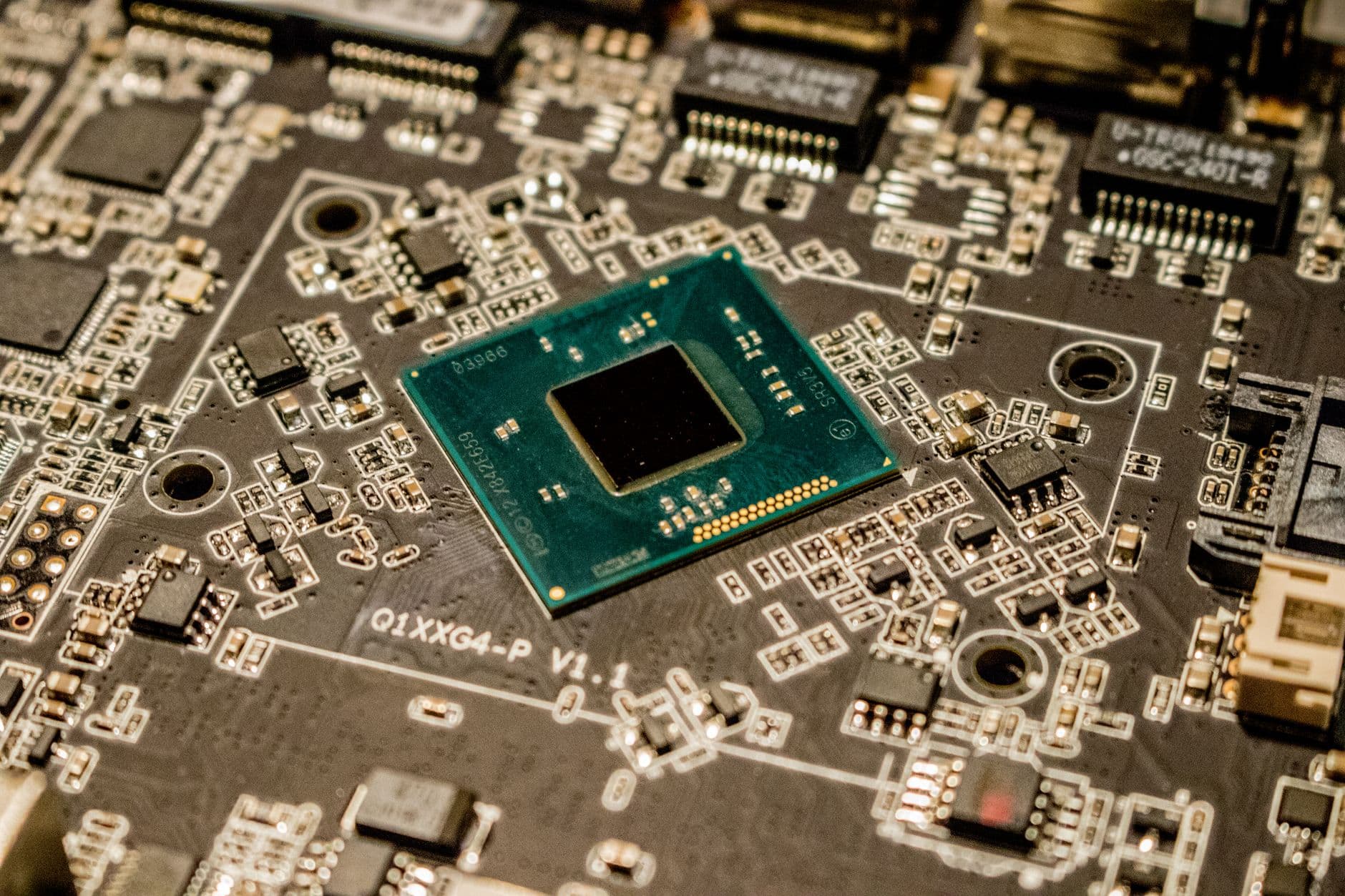
A six-company letter landed in congressional leaders’ hands as Washington turned a technical supply-chain question into a national-security test: should America’s most advanced chips carry location-verification tools before they are exported? The firms backing the Chips Security Act said stronger verification would give chipmakers and customers more confidence that they are complying with export restrictions, while also opening the door to faster approvals, larger transactions, new markets and more expansive chip deals.
The bill would require a location-verification mechanism on export-controlled advanced chips or products containing them within six months of enactment, and it would require exporters to report to the Bureau of Industry and Security if chips are diverted or if someone tries to tamper with them. Supporters have argued that the system is meant to close loopholes that have allowed advanced AI chips to move through third countries and then onward to China, including Malaysia and Indonesia, while still letting legitimate sales proceed.

On Capitol Hill, the measure has already cleared a major hurdle. The House Foreign Affairs Committee approved the Chips Security Act in a unanimous 42-0 vote in late March 2026 and advanced it again on March 26, while the House version had been introduced on May 15, 2025, by Bill Huizenga with Bill Foster, John Moolenaar, Raja Krishnamoorthi, Rick Crawford, Ted Lieu, Darin LaHood and Josh Gottheimer. The Senate version was introduced by Tom Cotton on May 8, 2025.
The enforcement reality is centered on Commerce, which would set the rules, and BIS, which would receive diversion and tampering reports. The Congressional Budget Office said the bill could push BIS toward measures such as on-site audits, legal attestations or location trackers across the AI chip supply chain, underscoring how much oversight would shift from customs checks alone to ongoing monitoring inside the export system.
Industry opposition has been just as direct. The Semiconductor Industry Association said on March 2, 2026, that it opposed blanket mandates for new, untested and potentially infeasible on-chip mechanisms, a warning that reflects the central loophole critics say bad actors could exploit: any tracker only works if it cannot be bypassed, spoofed or stripped out before a chip reaches a sanctioned end user. Lawmakers backing the bill say the stakes are higher still, pointing to a March Justice Department case in which three people were charged with conspiring to divert $2.5 billion of AI chips to China.
This article was produced by Prism’s automated news system from verified source data, official records, and press releases, then run through automated quality and moderation checks before publishing. The system is built and supervised by the people who set the standards it runs under. Read our full AI policy.
Did this article answer your question?

