Complete Beginner Guide to Miniature Painting Workflow and Tools
A comprehensive beginner guide lays out the full miniature painting workflow from choosing miniatures to intermediate techniques, with practical equipment recommendations and step by step instructions. This matters because it removes guesswork, helps avoid common mistakes, and gives realistic progression tips to keep painters engaged and improving.
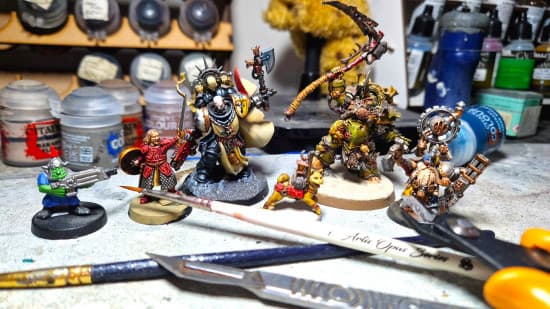
A new comprehensive guide presents a full workflow for people starting miniature painting, covering selection, basic tools, primers, paint handling, core painting techniques, basic basing, and the move to intermediate skills. The guide focuses on common plastic kits, but the methods apply broadly to resin and metal models, and it emphasizes safety and realistic goal setting to prevent burnout.
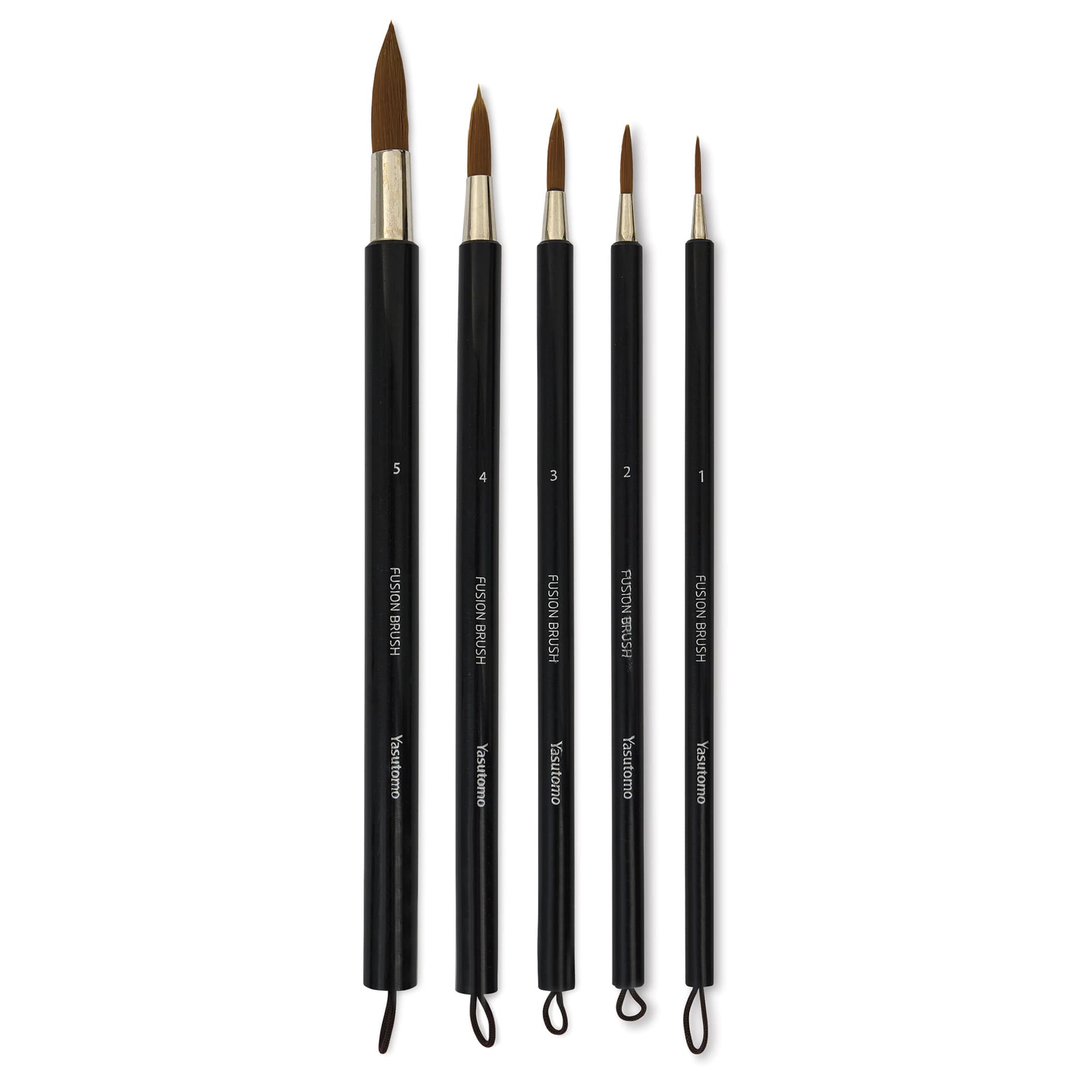
Begin by choosing a manageable project. Start with a single infantry figure or small unit and inspect the sprue for mold lines and flash. Use nippers to remove parts, a hobby knife to clean seams, and plastic cement for snap fit plastic. Use super glue for resin or metal. Recommend a basic tool kit that includes quality nippers, a sharp hobby knife, small files, tweezers, a wet palette or palette paper, a water pot, and a few brushes in sizes 2, 0, and a fine detail brush.
Priming sets paint adhesion and tone. Use spray primer for multiple pieces and for uniform coverage, apply outdoors or in a ventilated area and keep cans moving to avoid pooling. Use brush on primer for single models, controlled touch ups, or indoor work. Thin paints to the consistency of skim milk for smooth coverage, testing on a palette. Typical working mixes range from one part paint to one or two parts water or a flow improver depending on brand and pigment.
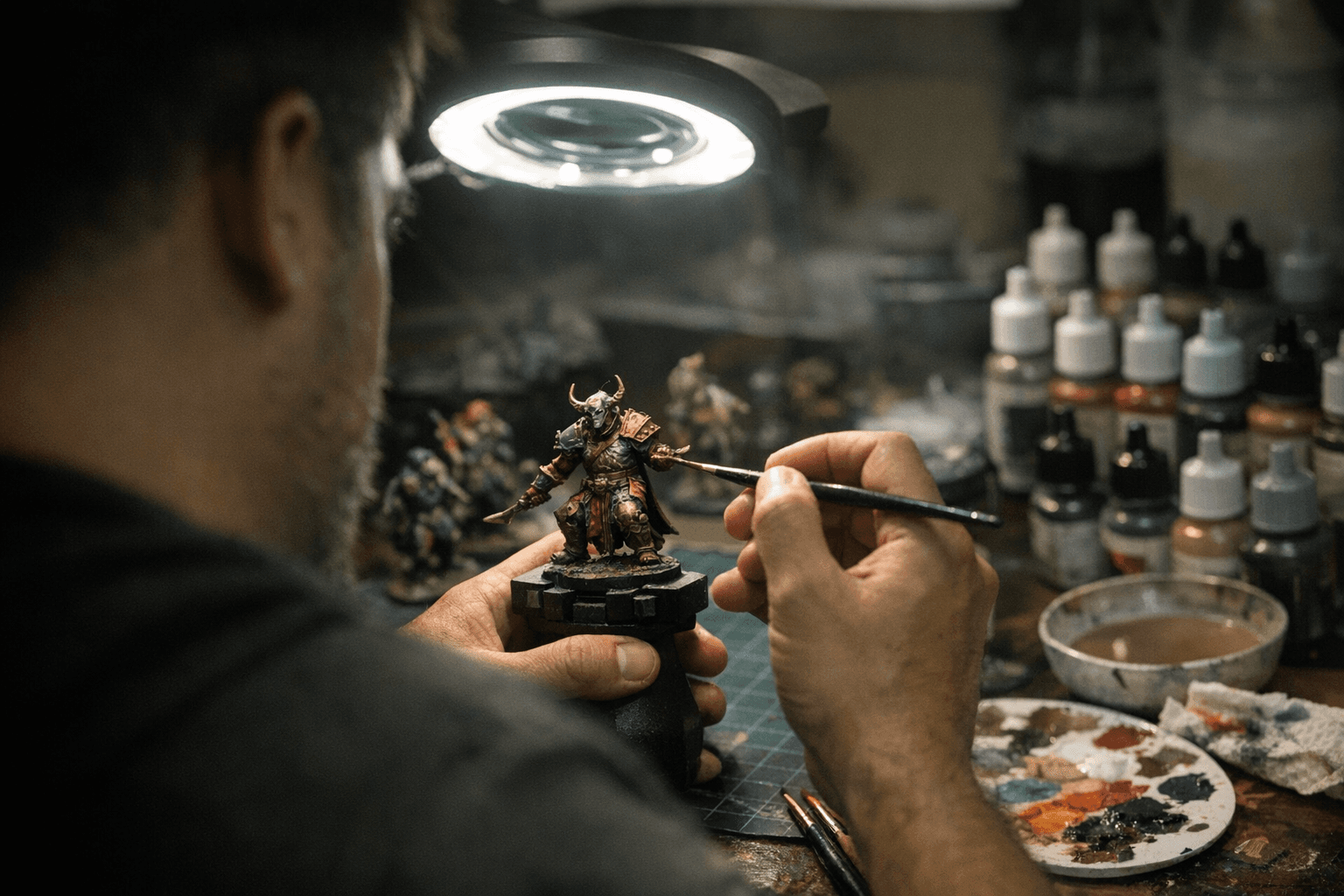
Basecoat evenly, then shade with washes or contrast paints to define recesses. Move to layering and highlights using thin successive coats, and add drybrushing for texture on armor and terrain. Basic basing includes texture paint, small tufts, and a simple rim color to frame the miniature. Progress to intermediate techniques such as crisp edge highlights, selective weathering with pigments and thinned oils, and glazing to control color transitions.
Plan sessions to avoid fatigue. Set small achievable goals like completing a basecoating session or a single highlighting pass. Practice one new technique per model to build skill without overwhelm. Seal finished minis with a matte varnish for protection. For next steps, repeat projects with varied color schemes, explore edge highlight tutorials, practice weathering walkthroughs, and join local painting nights to get feedback and maintain momentum.
Know something we missed? Have a correction or additional information?
Submit a Tip