Congo Senate backs bill that could open Tshisekedi third term bid
The Senate voted 89-0 to advance a constitutional rewrite that could let Felix Tshisekedi seek a third term, as 20 senators stayed out.
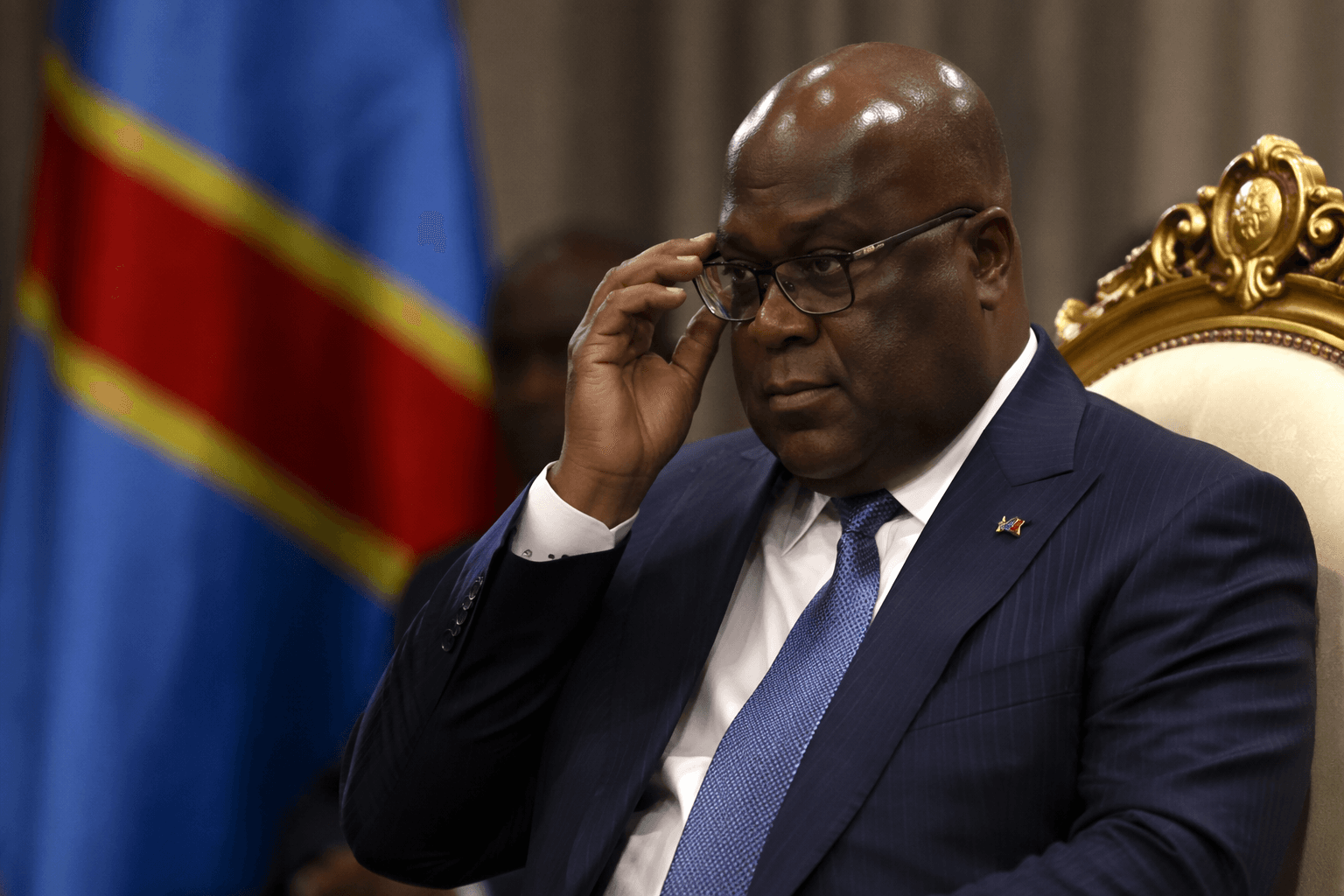
A unanimous Senate vote in Kinshasa has moved the Democratic Republic of Congo a step closer to a constitutional overhaul that could reset President Felix Tshisekedi’s clock and open a path to a third term. The bill still requires Tshisekedi’s signature, but the chamber’s 89-0 approval, with 20 senators not taking part, removed a major legislative barrier after the National Assembly had already backed the measure.
The proposal would change the constitution and pave the way for a referendum on a new constitutional framework. Under that scenario, Tshisekedi could seek another mandate as if it were his first, despite serving what is now his second and constitutionally final term. The next presidential election is scheduled for 2028, making the constitutional fight a test of whether Congo’s term-limit rules can withstand pressure before the campaign even begins.
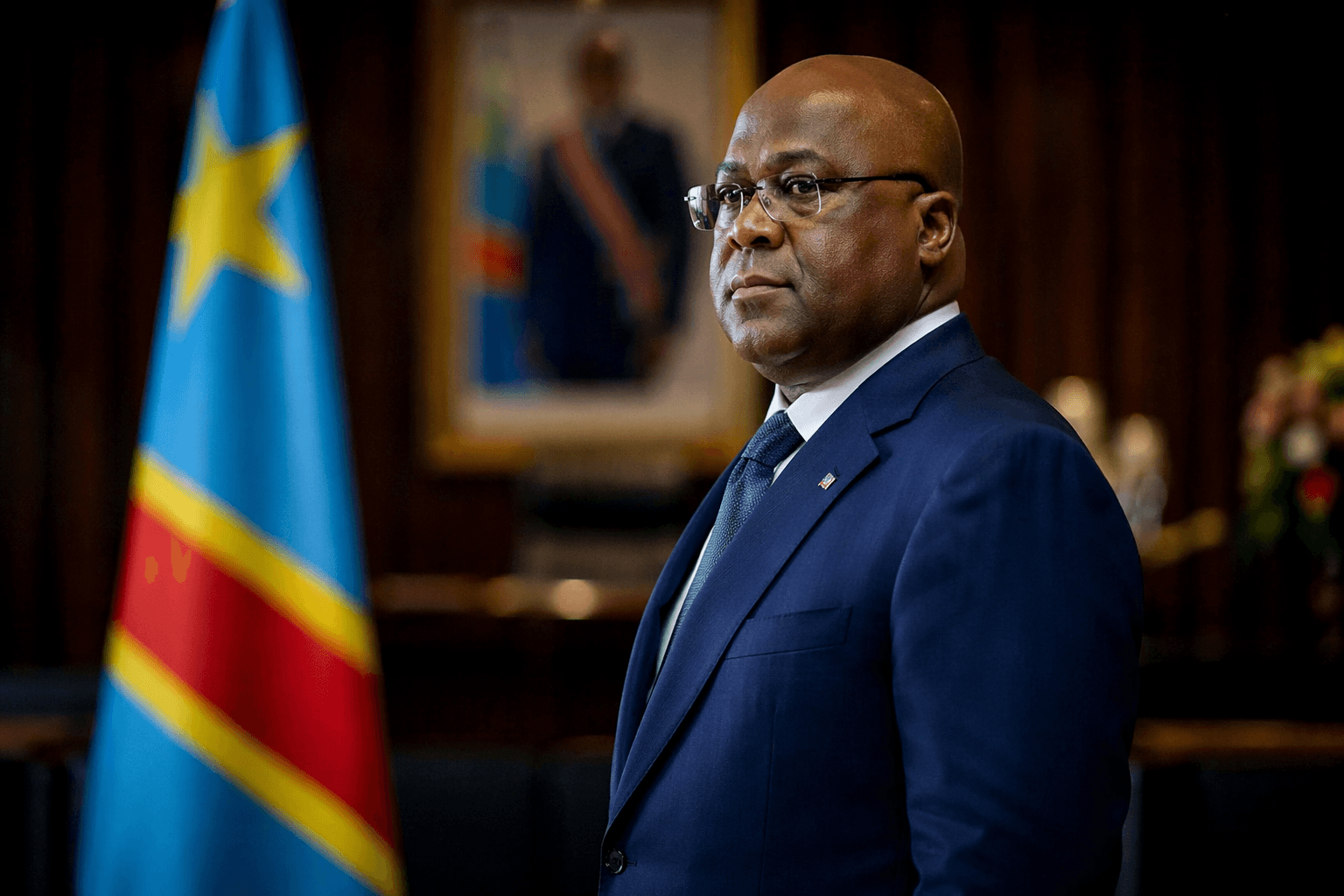
Congo’s current constitution was approved in a referendum in December 2005 and promulgated in February 2006. Article 220 is widely understood to lock in the two-term presidential limit and to make that safeguard especially difficult to revise. That is why the bill matters beyond Tshisekedi’s own political future: it strikes at the core of a constitutional settlement built to prevent one leader from extending power indefinitely.
The political fallout has been immediate. A protest against the bill turned violent in Kinshasa last week, when security forces used tear gas and live ammunition to disperse demonstrators who were throwing rocks, according to witnesses and opposition figures. An opposition communication team said Delly Sesanga, one of the leading opponents of the measure, was shot in the leg during the unrest.
Opposition senator Salomon Kalonda Della Idi said the legislation could permanently Balkanize the country, reflecting the depth of fear among critics who see the reform as a threat to national cohesion and democratic restraint. Some opposition figures have gone further, calling the effort a constitutional coup. Civil society voices and international observers have also warned that rewriting term-limit rules could deepen instability in a country already burdened by chronic insecurity and governance challenges.
The stakes are higher because the constitutional debate is unfolding alongside the crisis in eastern Democratic Republic of Congo, where conflict continues to weigh on politics and could disrupt the 2028 election timetable. Tshisekedi, in earlier remarks, said he would accept a third term if the people wanted it, but only after a constitutional revision and referendum. That leaves the country headed toward a referendum battle that could define Congolese politics well beyond 2028, while testing the strength of its democratic guardrails under pressure.
This article was produced by Prism’s automated news system from verified source data, official records, and press releases, then run through automated quality and moderation checks before publishing. The system is built and supervised by the people who set the standards it runs under. Read our full AI policy.
Know something we missed? Have a correction or additional information?
Submit a Tip