Congress faces pressure to end longest DHS shutdown in U.S. history
DHS’s shutdown has stretched into record territory, with airport security, immigration enforcement and disaster coordination still caught in Congress’s fight.
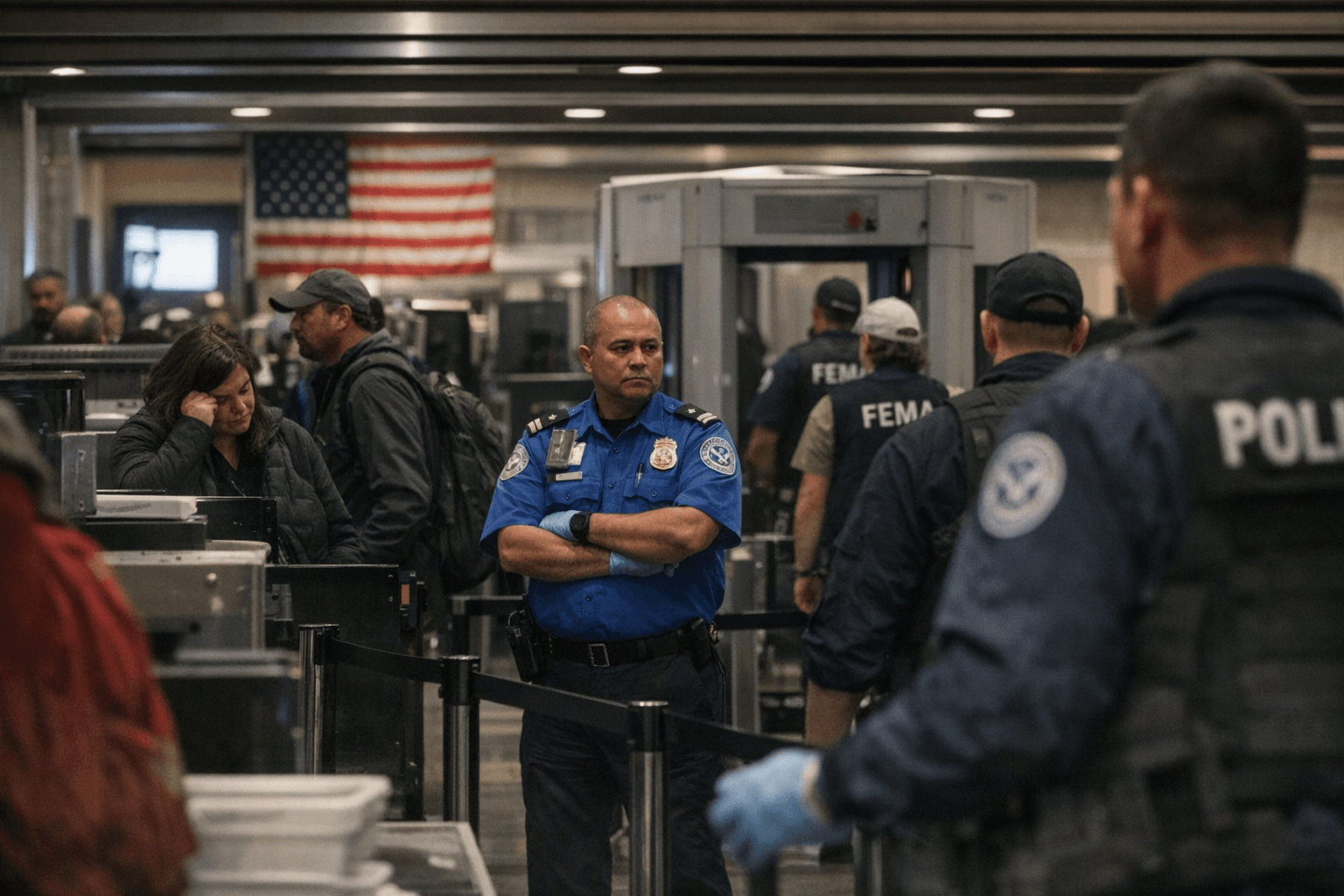
The longest funding lapse in U.S. history for any federal agency has left the Department of Homeland Security in limbo, with immigration processing, airport security and federal coordination for disaster response all caught in the fight. State and local officials have been left waiting for Washington to resolve a dispute that has already dragged on for months and now tests whether Congress can keep core security functions funded without turning them into a bargaining chip.
The shutdown began on Feb. 14, after repeated Senate efforts to advance DHS funding failed. By late March, the lapse had become the longest funding freeze ever imposed on a federal agency. On March 20, the Senate fell short in a 47-37 vote, unable to clear the 60-vote threshold needed to move a House-passed measure that would have funded the department through September. It was the fifth time the Senate had tried and failed to advance that bill.
At the center of the standoff is a broader political fight over immigration enforcement. Democrats have pushed for changes that would limit masked agents, require judicial warrants for immigration raids and expand body-camera use for enforcement officers. Republicans have resisted that approach and instead backed a separate, party-line reconciliation strategy to fund Immigration and Customs Enforcement and Border Patrol for three years. Senate Republicans and Democrats briefly settled on a package to reopen most of DHS except ICE and part of Customs and Border Protection, but House Republicans rejected that deal.
The stalemate has also raised alarms far beyond the immigration debate. Lawmakers warned that Transportation Security Administration staffing and morale could erode if the shutdown continued, and officials worried about the prospect of a nationwide walkout by TSA agents before a breakthrough emerged. President Donald Trump said on April 2 that he would sign an order to pay all DHS employees. TSA agents had already been covered by a separate executive order, while ICE, CBP workers and active-duty Coast Guard members were already receiving pay.
Now the fight is shifting back to the Senate, where leaders are expected to vote this week on a budget blueprint that would kick off the reconciliation process. Senate Majority Leader John Thune has pushed the compromise measure to the floor, while Democrats led by Chuck Schumer continue to press for enforcement reforms and House Republicans push their own funding path. After months of deadlock, the question is no longer whether DHS can be used as leverage. It is whether Congress can still finance basic security without inflicting a prolonged shutdown on the people who staff it.
This article was produced by Prism’s automated news system from verified source data, official records, and press releases, then run through automated quality and moderation checks before publishing. The system is built and supervised by the people who set the standards it runs under. Read our full AI policy.
Did this article answer your question?

