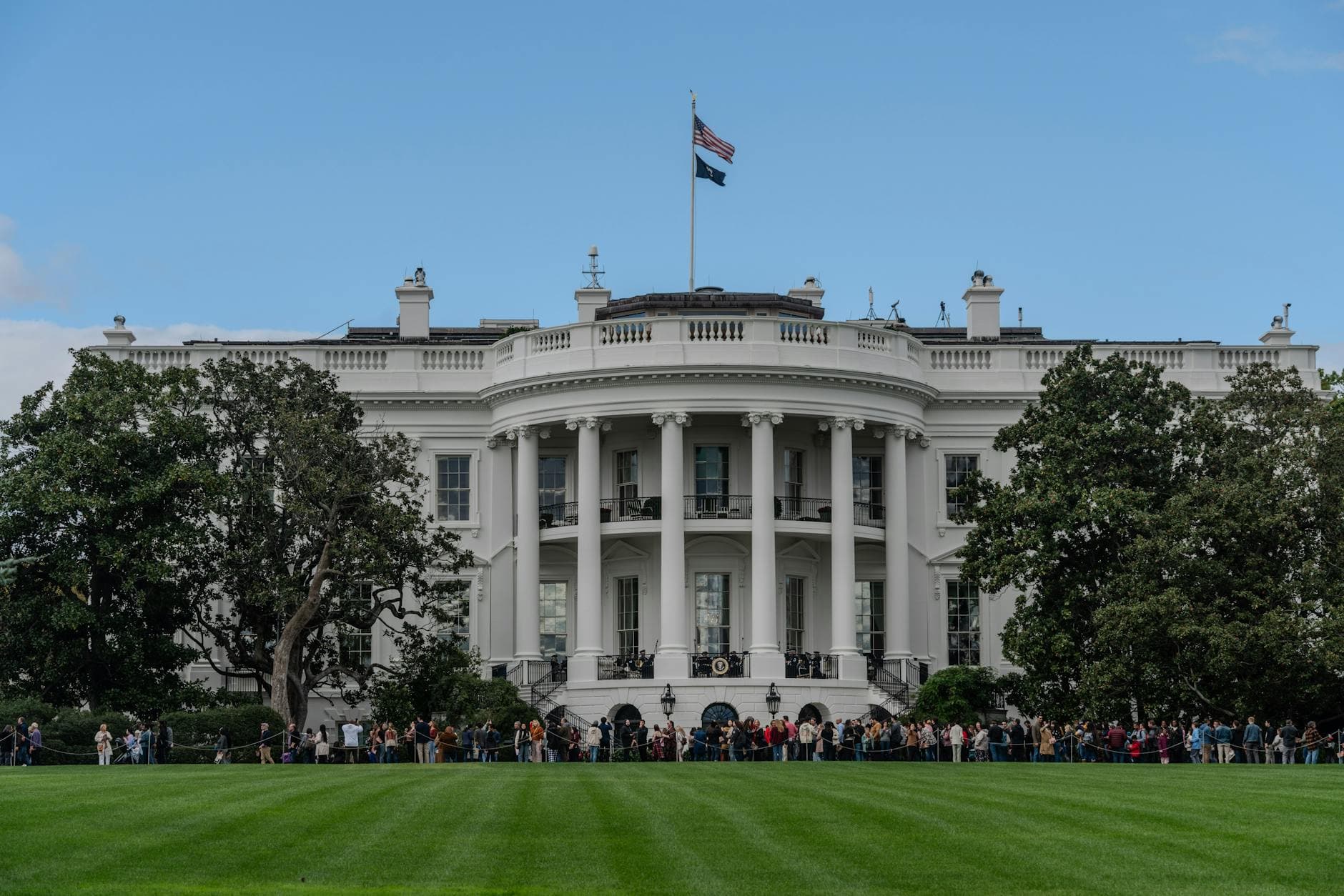
Congress Faces War Powers Test After U.S. Strikes on Iran
The War Powers clock started after June 23, 2025. Trump could seek authorization, claim a 30-day necessity extension, or wind down the strikes if Congress refused to act.
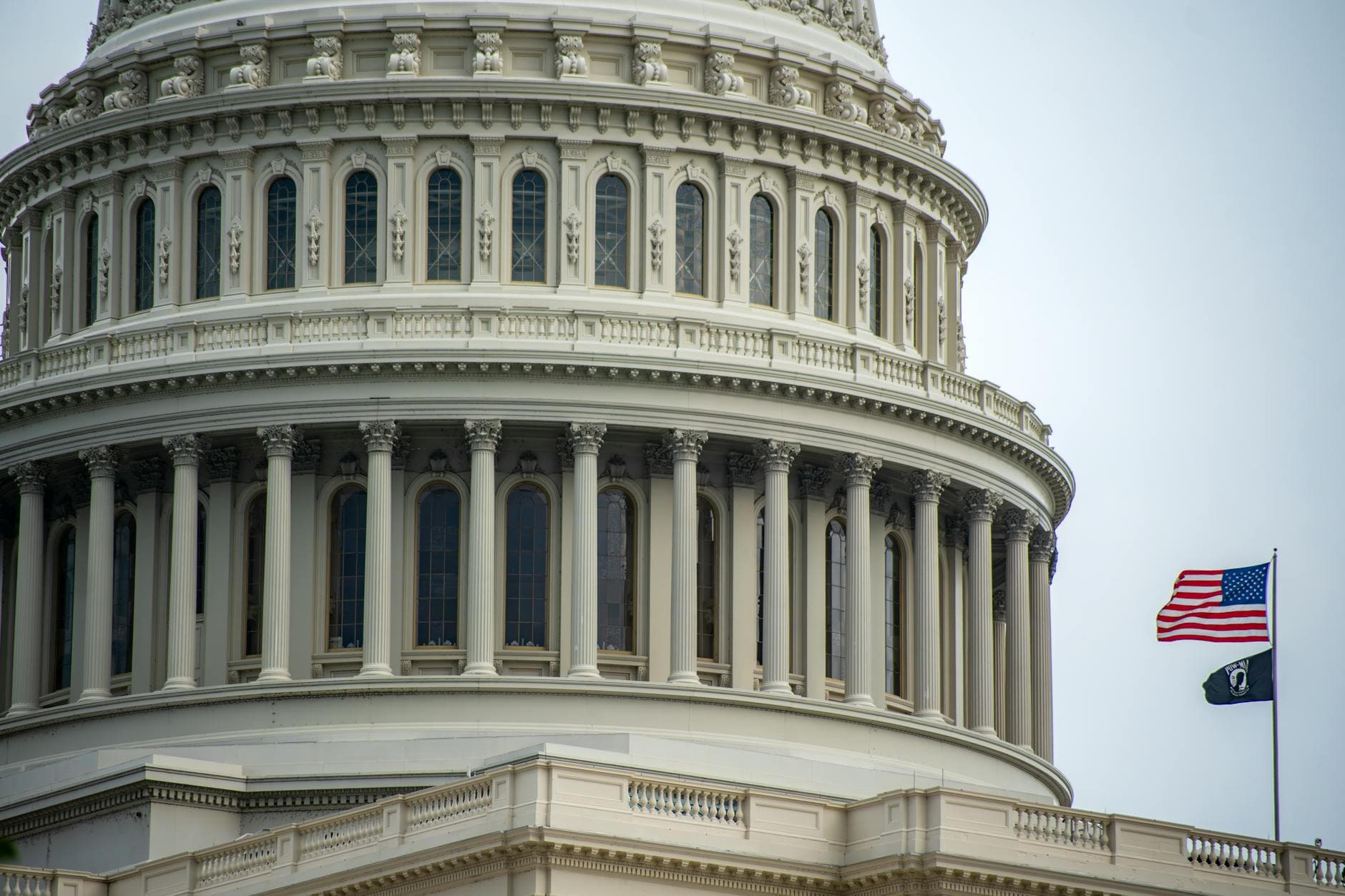
Congress was forced back into a constitutional fight after U.S. strikes on three Iranian nuclear sites on June 21, 2025, opened a new test of the War Powers Resolution and the limits of presidential military power. The law, enacted over President Richard Nixon’s veto on November 7, 1973, requires the president to notify Congress within 48 hours of introducing U.S. forces into hostilities or imminent hostilities, consult with lawmakers in every possible instance, and end unauthorized action after 60 days unless Congress declares war, passes an authorization, or the president secures a 30-day extension for unavoidable military necessity.
That 60-day clock was not just procedural. The Congressional Research Service has said it mainly functions as a window for Congress to authorize force that was otherwise unauthorized, while still giving lawmakers the power to direct the removal of forces. In the Iran case, that meant the real deadline was less about symbolism than about whether Congress would either ratify the strikes or force a retreat.
The military action against Iran escalated fast. U.S. officials described the operation as narrowly tailored to destroy or severely degrade Iran’s nuclear program, and early U.S. assessments said the sites were severely damaged. The status of highly enriched uranium at one site remained uncertain. The broader conflict had already turned deadly after Israel attacked Iran on June 13, 2025, and the fighting was reported to have killed more than 400 people in Iran and two dozen in Israel.
Trump’s formal War Powers notification came on June 23, 2025. It asserted constitutional authority as commander in chief and chief executive, but it did not cite any statutory authorization. That omission sharpened the argument from lawmakers who said the White House had sidestepped Congress, even as others defended the president’s power to act.
Congress did try to respond. Sen. Tim Kaine introduced S.J.Res.59 on June 16, 2025, to direct the removal of U.S. forces from unauthorized hostilities against Iran. A Senate motion to discharge the Foreign Relations Committee failed 47-53 on June 27, 2025. In the House, Rep. Thomas Massie’s H.Con.Res.38, which would have ordered the president to end U.S. involvement unless Congress approved it, failed 212-219 on March 5, 2026.
The political backdrop made the dispute even more consequential. U.S.-Iran indirect talks had started in April 2025, and a sixth round scheduled for June 15 was canceled after Israel’s attack. Trump had said on June 19, 2025, that he would decide within two weeks whether to go ahead, underscoring how quickly diplomacy gave way to force.
By the time the War Powers deadline arrived, the central question was whether Congress would actually enforce it. If lawmakers stayed divided, Trump could try to press ahead under disputed constitutional claims, seek belated authorization, or certify unavoidable military necessity and buy 30 more days. If Congress did nothing, the law’s sharpest threat would fade into another example of a check on presidential war powers that existed on paper, but not always in practice.
Sources:
Know something we missed? Have a correction or additional information?
Submit a Tip