Congress leaves town as key U.S. surveillance law nears expiration
Congress let Section 702 head toward its first lapse in history, though court approvals may keep the surveillance running until about March 2027.
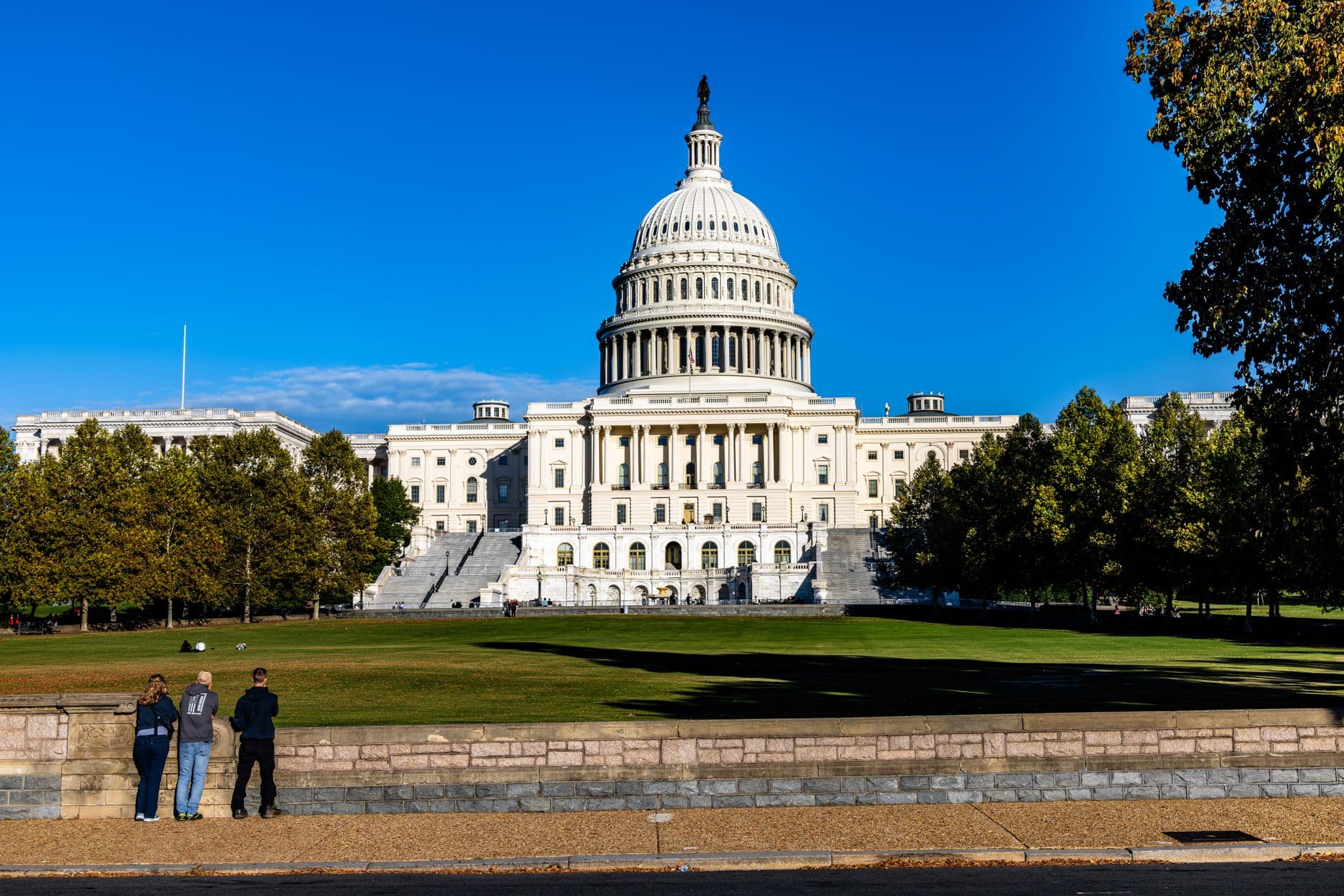
The government’s main foreign-intelligence surveillance authority was headed toward its first lapse in history, but Americans were not facing an overnight switch in security or privacy. Section 702 of the Foreign Intelligence Surveillance Act let agencies collect foreign targets’ communications without individualized court orders, and intelligence officials warned that losing it would strip away a tool that feeds roughly 60% of the president’s daily intelligence briefing. Privacy critics countered that the same power had swept up Americans’ calls, texts and emails, and that FBI searches tied to Section 702 data had involved Black Lives Matter protestors, U.S. officials, journalists, political commentators and 19,000 donors to one congressional campaign.
The House failed Thursday to approve a three-week extension in a 198-218 vote, with 19 Republicans voting no and seven Democrats voting yes. Senate efforts to advance either a short-term patch or a longer reauthorization also failed, and lawmakers left Washington with the chamber not expected back until June 23. That put the law on track to miss the April 20, 2026 sunset set when Congress last reauthorized it in April 2024 through the Reforming Intelligence and Securing America Act.
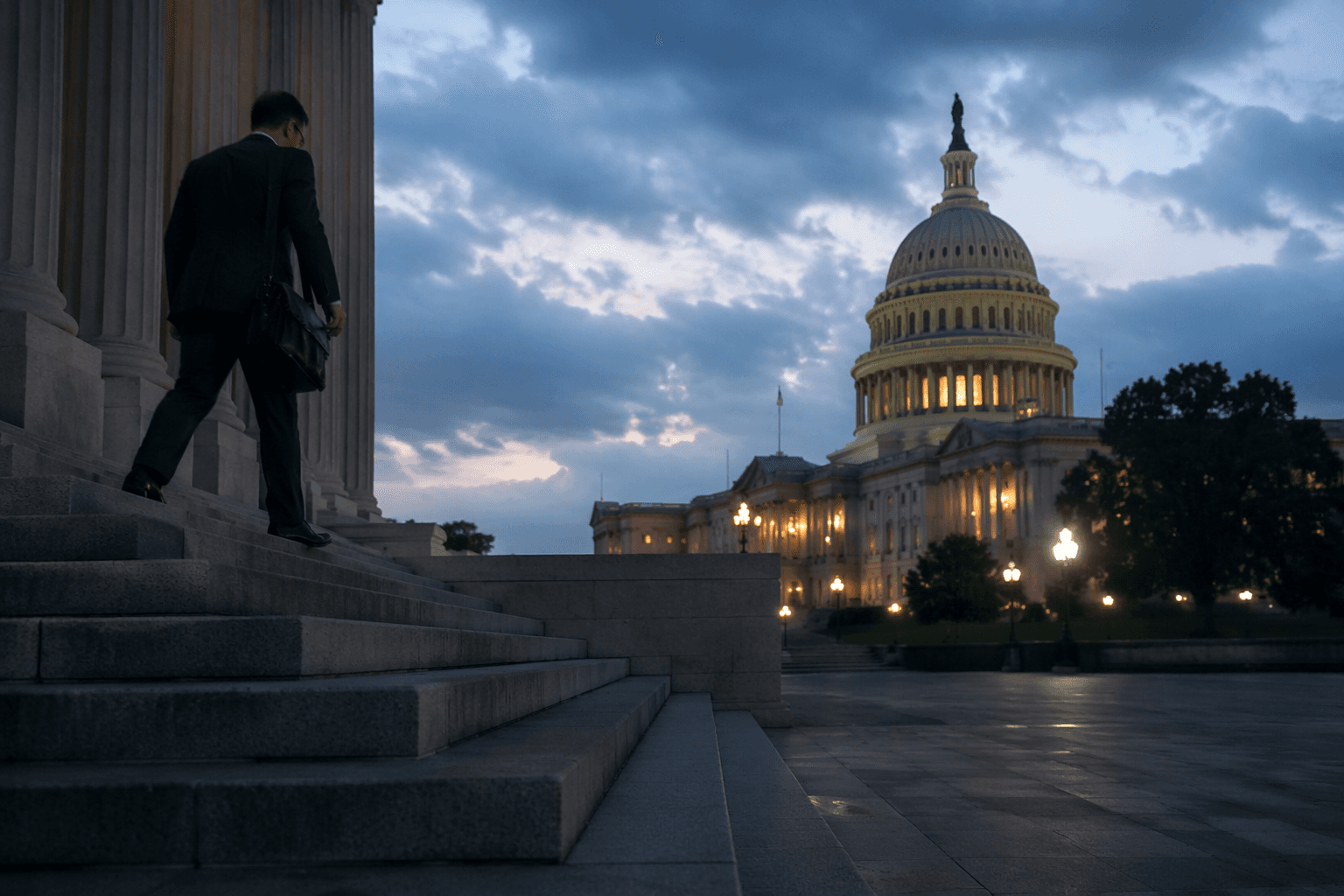
Supporters of the program say the stakes are immediate. Congressional intelligence committee members have said about 60% of the president’s daily intelligence briefing comes from Section 702 information, and the National Security Agency says the authority contributes an average of 60% of classified intelligence in the President’s Daily Brief. In practice, that means the law remains one of the central channels for tracking foreign targets abroad without forcing the government to seek an individualized order each time.
Civil-liberties advocates see the same system as proof of how broadly the law can reach into Americans’ lives. They argue that Section 702 inevitably captures large amounts of domestic communications and has been abused in warrantless searches involving people far beyond the foreign targets Congress had in mind. The Brennan Center has said the government has engaged in widespread violations of the statute’s limits, turning the renewal fight into a debate over oversight as much as intelligence collection.
The politics were further scrambled by President Donald Trump’s decision to name Bill Pulte, the director of the Federal Housing Finance Agency, as acting director of national intelligence. Trump said Pulte would take over from Tulsi Gabbard on June 19. Democrats said they would not back reauthorization while Pulte was slated to oversee the intelligence community, while Republicans accused them of holding national security hostage.
There was still one important catch: a statutory lapse did not necessarily mean collection stopped at midnight. Certifications approved by the Foreign Intelligence Surveillance Court in March 2026 could allow surveillance to continue until roughly March 2027 even if Congress let the statute expire. That meant the immediate operational effect could be limited, but the political damage would be real, because Congress would have allowed Section 702 to lapse for the first time since 2008.
This article was produced by Prism’s automated news system from verified source data, official records, and press releases, then run through automated quality and moderation checks before publishing. The system is built and supervised by the people who set the standards it runs under. Read our full AI policy.
Did this article answer your question?

