Congress scrambles to avert funding lapse as budget process falters
Congress is racing the clock after a June 9 markup slipped, leaving only 48 legislative days before Election Day and more risk for grants, contracts and services.
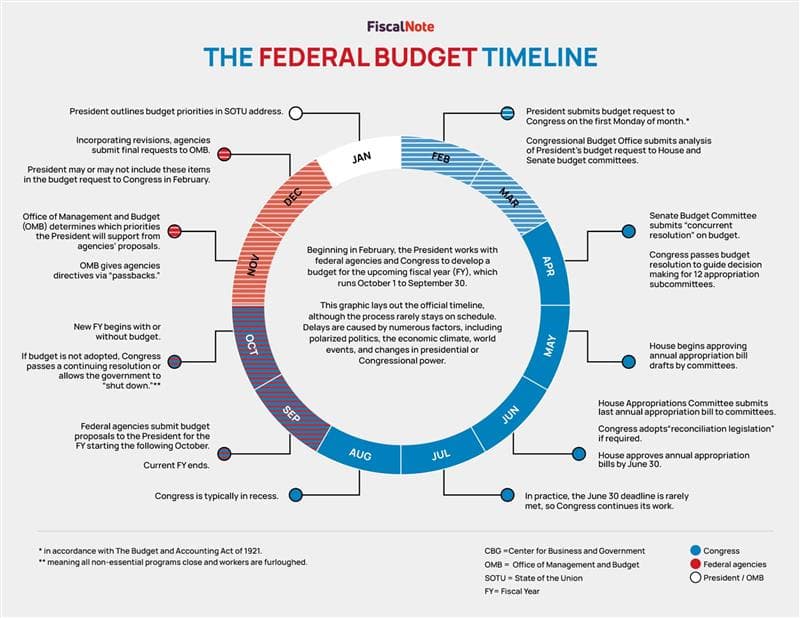
Congress is once again forcing the government to live on borrowed time, with appropriators missing the normal schedule and federal agencies left to plan around stopgap money instead of a full year of fresh funding decisions. The Senate Appropriations Committee postponed action on government funding bills in early June, and a June 9 full committee markup for agriculture, the legislative branch, and commerce-justice-science was marked to be rescheduled.
The stakes are practical, not procedural. Appropriations bills give agencies the budget authority to incur obligations and make payments for a single fiscal year, usually running from October 1 through September 30. When lawmakers miss deadlines, agencies can be trapped on old spending levels or temporary extensions, and the Congressional Research Service says funding gaps can lead to shutdown operations depending on how long they last and whether enactment is expected soon.

Congress has already gone through that cycle in fiscal 2026. After a shutdown tied to the January 30 deadline, lawmakers passed a stopgap funding law to keep the government open. House Republicans then said on January 22 that the House had approved its final slate of 2026 funding bills, and House Republican appropriators said on January 28 that they had completed action on all 12 fiscal 2026 appropriations bills. But that did not end the fight, because the Senate still had to move its version of the bills and reconcile differences before any final package could become law.
The calendar now works against them. The Senate calendar shows only 70 legislative session days remained for the rest of 2026, including 48 before Election Day on November 3. That leaves little room to finish all 12 annual bills, pass them through both chambers, and avoid another scramble for a temporary extension.
Budget experts warn the uncertainty is getting worse. The Center on Budget and Policy Priorities has argued that the Trump administration undermined the fiscal 2025 appropriations law through rescissions and alleged impoundments, adding another layer of instability for agencies that depend on Congress to deliver predictable money. If lawmakers keep missing deadlines, the consequences will land in hiring freezes, delayed grants, stalled contracts and slower federal services across Washington and the country.
For Congress, the political cost is also growing. Voters may not track markup dates or committee calendars, but they do notice when agencies limp along on outdated funding, when local projects stall, and when another shutdown threatens schools, contractors and communities that rely on federal dollars.
This article was produced by Prism’s automated news system from verified source data, official records, and press releases, then run through automated quality and moderation checks before publishing. The system is built and supervised by the people who set the standards it runs under. Read our full AI policy.
Did this article answer your question?

