Congress still grapples with rampant harassment despite reforms
Nearly 10 years after Congress overhauled its harassment rules, aides still say Capitol Hill is risky terrain, while new files show more than $550,000 in secret settlements.
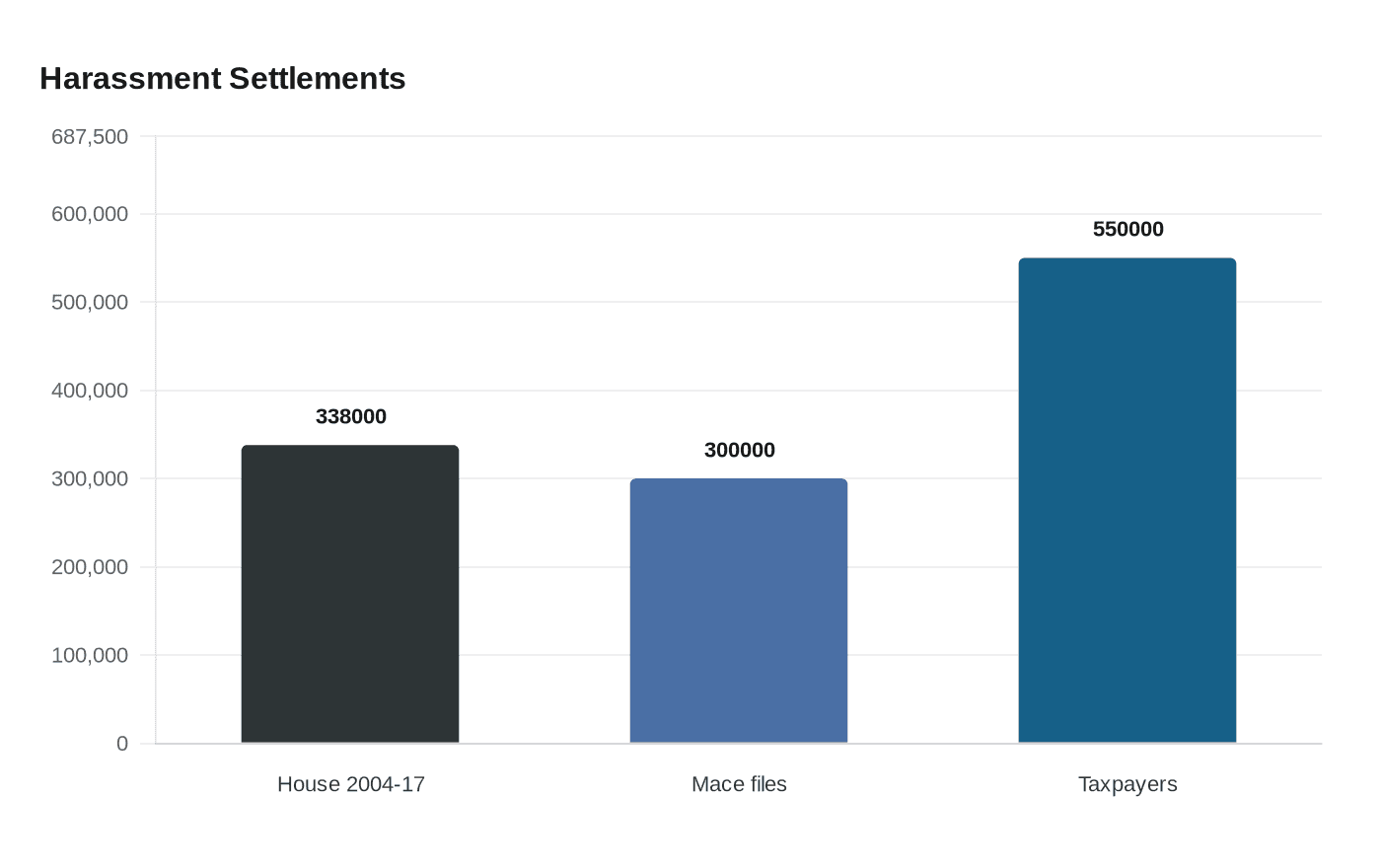
Capitol Hill’s harassment problem has outlasted the reforms meant to contain it. Nearly 10 years after Congress moved to make complaints easier to file, lawmakers and aides say abusive behavior is still rampant, and the gulf between a formal process and a functioning workplace remains wide.
The overhaul began after the #MeToo wave in 2017 forced a reckoning in Washington, D.C. Congress passed the Congressional Accountability and Harassment Reform Act in May 2018, and President Donald Trump signed the Congressional Accountability Act of 1995 Reform Act on December 21, 2018. The changes took effect in June 2019. They were designed to streamline the filing, investigation and resolution of claims, extend protections to unpaid staff and make members personally liable for awards and settlements tied to harassment or retaliation.
The Office of Congressional Workplace Rights now administers those workplace-rights rules for more than 30,000 legislative-branch employees. Under section 301(l) of the reform law, the office must prepare annual awards-and-settlements reports for Congress, a disclosure requirement meant to give the public a clearer view of how often cases are resolved and how much taxpayer money is involved.
But the numbers that have surfaced since then show how persistent the problem has been. Newly released documents reviewed in 2026 showed taxpayers had paid more than $550,000 in confidential congressional sexual harassment settlements dating back decades, a total higher than previously public figures. Rep. Nancy Mace said files she obtained showed more than $300,000 in settlements involving six former House members or their offices. Earlier reporting had already found more than $338,000 in House harassment settlements between 2004 and 2017.
Those disclosures underscore the central failure of the reform era: the complaint system exists, but using it inside a workplace shaped by patronage, seniority and fear of retaliation is another matter. Congress rewrote the rules on paper. It has not erased the power imbalance that still keeps many aides silent, or the culture that makes harassment a career risk rather than a disciplinary certainty.
This article was produced by Prism’s automated news system from verified source data, official records, and press releases, then run through automated quality and moderation checks before publishing. The system is built and supervised by the people who set the standards it runs under. Read our full AI policy.
Did this article answer your question?

