Consecutive Winter Storms Threaten Millions From Midwest to Northeast
Meteorologists warn two consecutive storm systems will bring accumulating snow and a sharp temperature plunge across the central and eastern United States this weekend and into next week, creating dangerous travel and power outage risks. The forecast matters because already strained hospitals, transit networks, and low income communities will face disproportionate harm, and officials are racing to position crews and warming centers ahead of the storms.

A pair of powerful winter systems is poised to slam the central United States beginning this weekend and then press into the Midwest and interior Northeast early next week, forecasters said today. The first storm will arrive Saturday and persist into Sunday, bringing significant snowfall to Omaha, Des Moines, St. Louis, Chicago, Milwaukee and Detroit with localized heavy bands that could make travel treacherous. A second system is expected from Monday into Wednesday and could push snow and ice from the Midwest into the Appalachians and interior Northeast, while a coastal nor'easter remains a risk depending on the exact track.
Meteorologists attribute the outbreak to a sudden stratospheric warming event high above the Arctic that is displacing frigid air southward. That large scale pattern will not only allow cold air to overspread much of the country, it will also invigorate storm systems, increasing the potential for heavy snowfall and ice accumulation across a wide corridor of states.
The timing raises immediate safety and infrastructure concerns. Airports and intercity rail lines in the affected corridor face cancellations and delays, compounding the holiday travel season. State transportation agencies and transit authorities are mobilizing treatment fleets and urging commuters to prepare for slow or suspended service. Power utilities have warned that combined demands for heating and the potential for tree damage to distribution lines could produce outages, leading many counties to pre stage repair crews.
Public health officials emphasize the disproportionate risks to older adults, people experiencing homelessness, and low income households that are more likely to live in poorly insulated housing or rely on portable heating fuels. Food bank and community clinic leaders say they are coordinating extra staffing and supplies, but expressed concern about reaching clients if roads become impassable. Congregate care facilities and nursing homes are reviewing contingency plans to ensure fuel supplies and backup power for residents with medical needs.
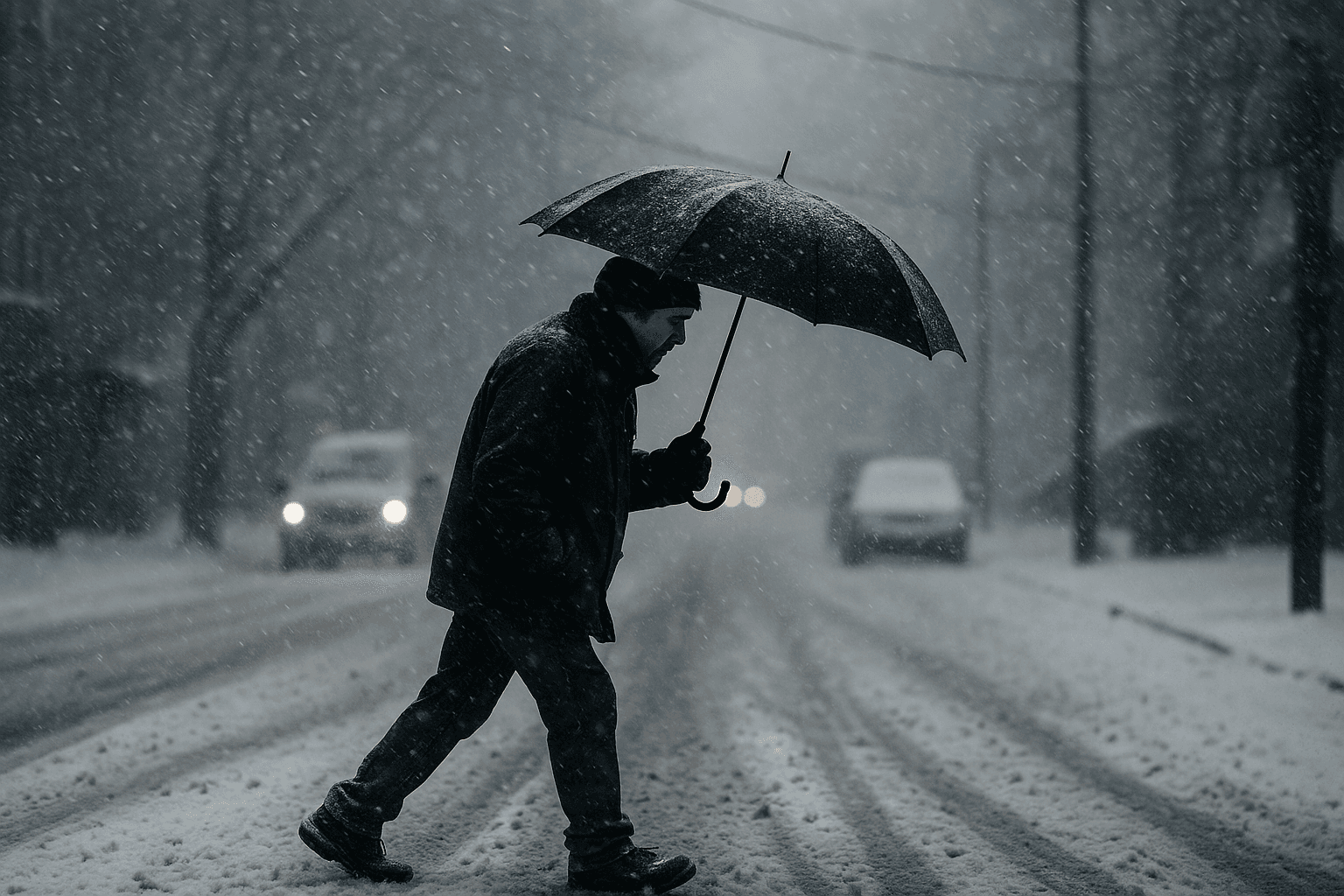
Local governments are announcing preparedness measures. Several cities plan to open warming centers and extend shelter hours, and school districts are readying decisions about closures and remote learning. Emergency managers are also urging residents to prepare basic supplies, charge devices, secure generators safely and check on neighbors who may be vulnerable. Officials are mindful that repeated storms in quick succession increase the strain on volunteer networks, municipal budgets and nonprofit relief organizations.
The storm sequence also renews longer term debates about infrastructure resilience and energy policy. Lawmakers and utility regulators are likely to face pressure to accelerate grid hardening, expand winterization of fuel supply chains and increase funding for heating assistance programs that protect households during extreme cold events. Advocates for environmental justice note that communities of color and low income neighborhoods historically receive slower restoration times and fewer investments in protective infrastructure.
With uncertainty remaining about the second storm track and the potential for a coastal nor'easter, authorities are urging residents in the threatened areas to follow local advisories, avoid unnecessary travel when snow is falling, and make contingency plans now. As the season advances, public health and emergency officials emphasize that preparation and equitable response will determine which communities weather the storms with minimal harm and which will need extended recovery support.
This article was produced by Prism’s automated news system from verified source data, official records, and press releases, then run through automated quality and moderation checks before publishing. The system is built and supervised by the people who set the standards it runs under. Read our full AI policy.
Did this article answer your question?