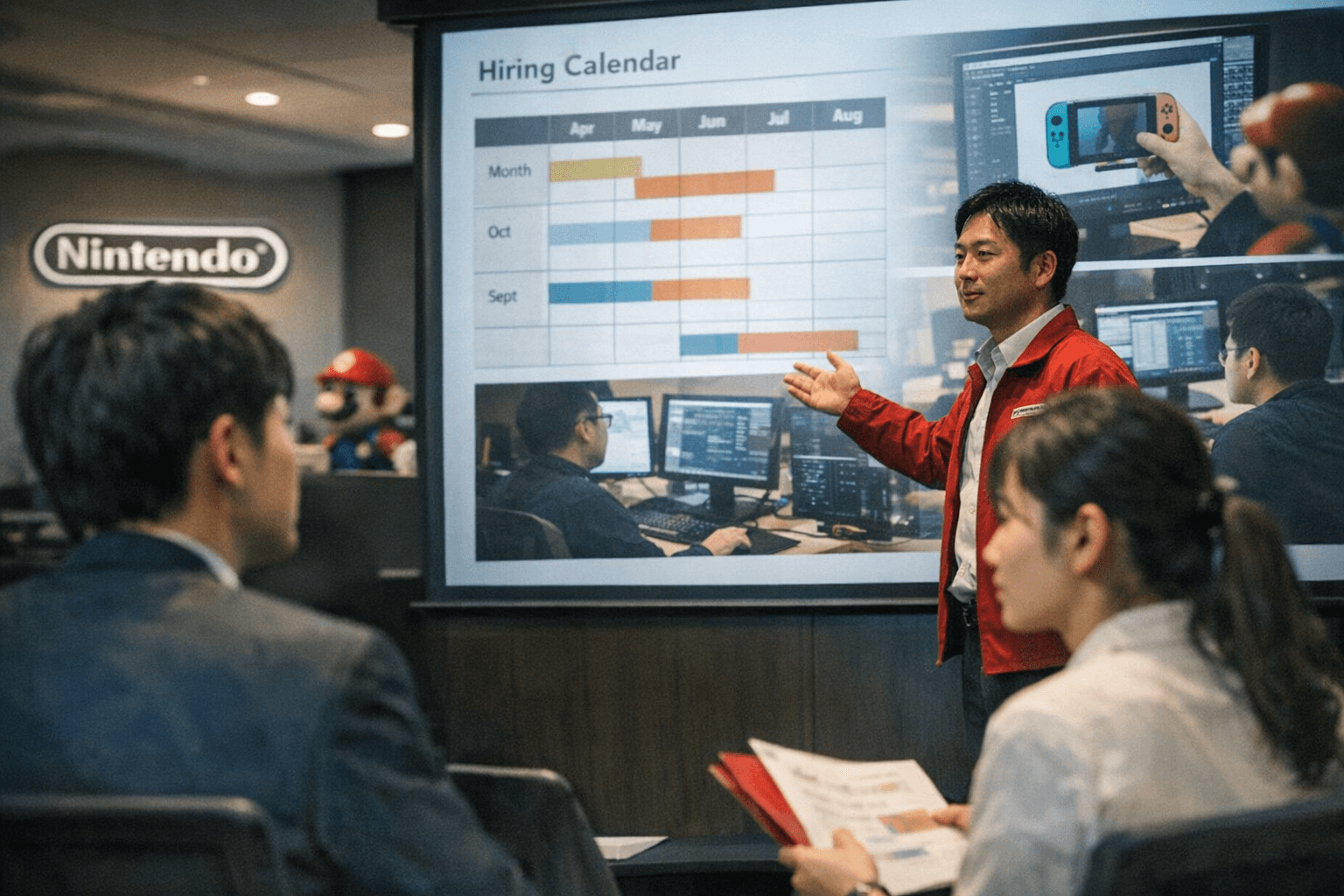
Contractors say Nintendo of America treated testers as second-class
An investigation found QA contractors at Nintendo faced pay gaps, harassment, and blocked paths to full-time conversion. These patterns matter for retention, reporting, and workplace equity at game companies.

Current and former quality-assurance contractors and employees at Nintendo of America described a consistent pattern of second-tier treatment, pay disparities and barriers to conversion into full-time roles that shaped daily life inside the company's testing departments. Workers interviewed and documents reviewed for this reporting paint a picture of a contractor model that amplified power imbalances and made reporting misconduct risky.
Contractors were typically hired through third-party staffing firms and said they were treated as second-class compared with "red badge" full-time employees. Sources described a range of problems: sexist comments and harassment from coworkers and some managers, male-female pay gaps for comparable testing work, and inconsistent or opaque criteria for moving from contract status to full-time conversion. That mismatch between expectations and outcomes left many contractors stuck in temporary roles with limited recourse.
The involvement of staffing firms complicated escalation. Contractors reported that raising harassment or discrimination concerns felt fraught because their employment depended on both the staffing vendor and the host employer, creating uncertainty about who controlled hiring or retention decisions. As a result, some said they were reluctant to report misconduct, fearing retaliation or immediate contract termination rather than an internal investigation or remediation.
Company communications to staff at the time acknowledged issues and included internal messages promising investigations and pledges to improve policies. Those responses signaled recognition at management levels, but sources said changes were slow and uneven, and that structural features of the staffing model continued to undermine trust in HR escalation procedures.
For workers, these dynamics affect morale, turnover and the diversity of the talent pipeline. Testers who cannot access reliable pathways to full-time roles are less likely to stay long enough to build institutional knowledge or move into development careers. Pay disparities and a culture that tolerates discriminatory remarks also discourage women and other underrepresented workers from remaining in or pursuing QA roles.
The patterns reported here are relevant beyond a single employer. Contractor classification, conversion practices and the interplay between staffing firms and internal HR systems are recurring flashpoints across the games industry. They shape who feels safe reporting abuse, who can build a career, and how companies retain critical QA expertise.
For employees and managers, the immediate steps are practical: clarify written conversion criteria, document incidents and communications, and ensure escalation channels apply equally to contractors and full-time staff. For the industry, solving these issues will require rethinking staffing models and closing accountability gaps so that workplace protections are not conditional on employment status.
Sources:
Know something we missed? Have a correction or additional information?
Submit a Tip