Copperas Cove leader expands adaptive sports for kids with disabilities
Caycee Hauck built an adaptive sports program and inclusive recreation in Copperas Cove, helping children with disabilities join pools, ball fields and community events.
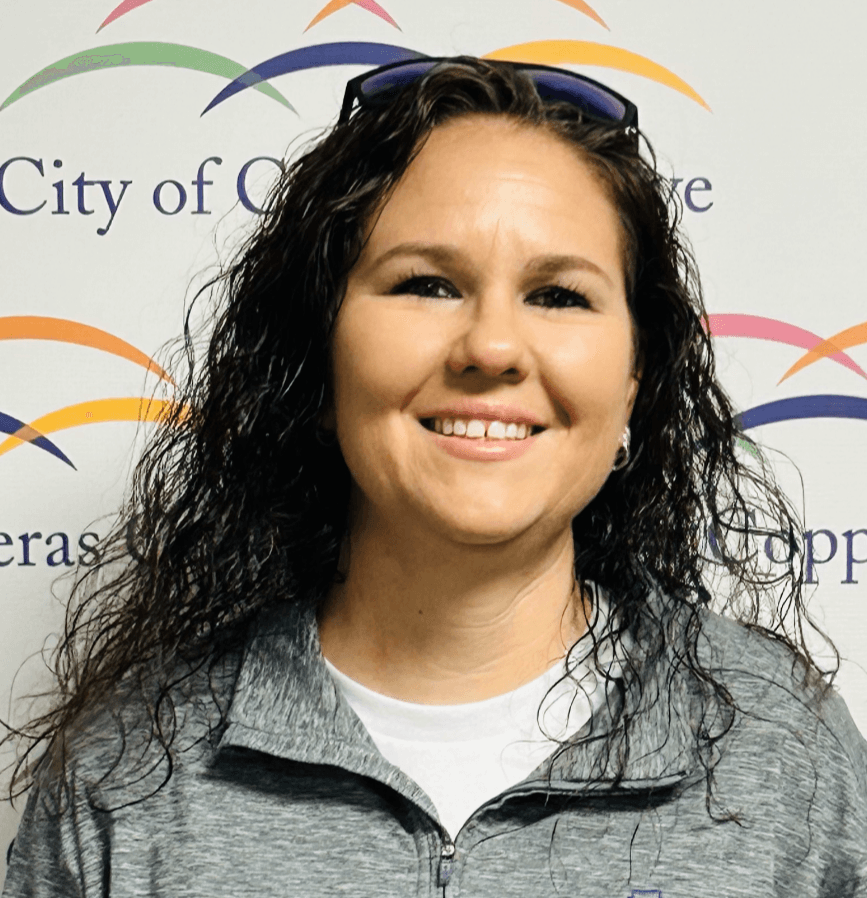
Caycee Hauck has quietly reshaped how Copperas Cove uses its parks and recreation resources, creating inclusive programs and an adaptive sports effort that opens pools, ball fields and community events to children with intellectual or physical disabilities. Her work running programming, training staff and overseeing day-to-day operations has become a practical model for making recreation accessible in Coryell County.
Hauck’s duties extend beyond organizing games. She trains coaches and lifeguards, administers schedules, checks fields and steps in to resolve disputes that can derail activities. Those hands-on tasks have translated into more reliable, welcoming opportunities for families who have long faced barriers to participation. The city’s mayor and local residents have praised her quiet, consistent leadership, and she recently received a $500 recognition from a local sponsor in a community recognition program.
The expansion of adaptive offerings addresses more than play. Public health research links regular physical activity and social inclusion to improved physical and mental health, especially for children with disabilities who experience higher risks of isolation, obesity and unmet developmental needs. By adapting equipment, training staff in inclusive techniques and ensuring events run smoothly, Copperas Cove’s parks and recreation department is helping reduce those risks and offering local children a chance to simply be kids.
For families, the immediate benefits are practical: more options for recreation close to home, programs designed to accommodate varying needs, and staff who understand how to keep activities safe and enjoyable. For caregivers, predictable schedules and competent supervision create respite and increase opportunities for broader community engagement. For the community, inclusive programming strengthens social cohesion and signals that public spaces serve everyone.

Despite these gains, sustaining and scaling adaptive recreation requires investment. Accessible facilities, adaptive equipment, transportation options and ongoing staff training all have costs. Funding often depends on irregular sponsorships and short-term grants, leaving programs vulnerable. Incorporating adaptive services into baseline municipal budgets, partnering with local health providers and schools, and formalizing training standards for coaches and lifeguards would help ensure long-term access across Coryell County.
Caycee Hauck’s work in the Cove shows how committed staff can make inclusion a routine part of community life. As these programs continue, residents have an opportunity to support durable funding and policy changes that keep parks and recreation accessible to all children. Expect to see more adaptive offerings on local schedules and hear calls for broader investment to turn this model into countywide practice.
Sources:
Know something we missed? Have a correction or additional information?
Submit a Tip