Corpse found in car outside Iran’s World Cup base in Tijuana
A body was found in a gray Toyota SUV outside Estadio Caliente, where Iran is based for the World Cup. The discovery heightened concern in violence-plagued Tijuana.
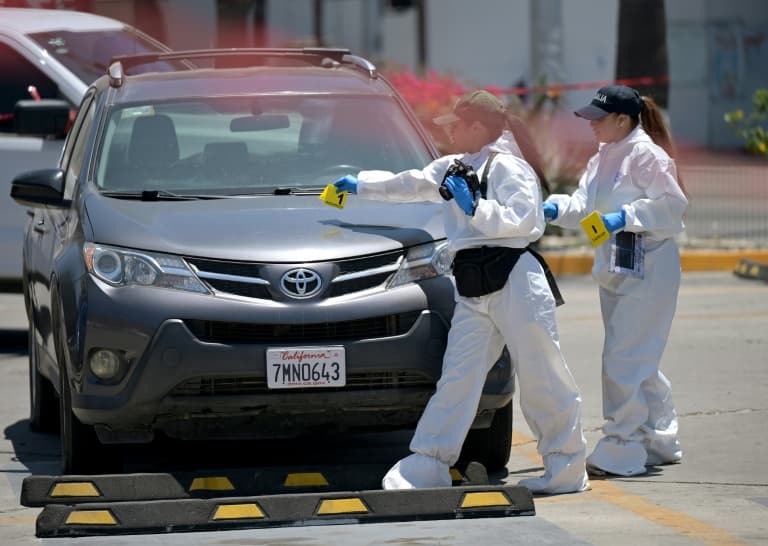
Mexican authorities are investigating how a corpse ended up in a car parked across from Estadio Caliente, the Tijuana stadium serving as Iran’s World Cup base. Police opened the trunk after noticing a pungent smell and found the body inside a bag, in a case that has drawn fresh attention to security in the border city.
The Tijuana prosecutor’s office said the corpse was wrapped in a black bag and showed signs of violence. Officials said the vehicle had likely been abandoned on Wednesday, June 11, before the discovery on Friday, June 13, 2026. AFP journalists at the scene saw specialists in white protective suits examine and remove the body from a gray Toyota SUV with California plates parked in a supermarket lot directly opposite the stadium.
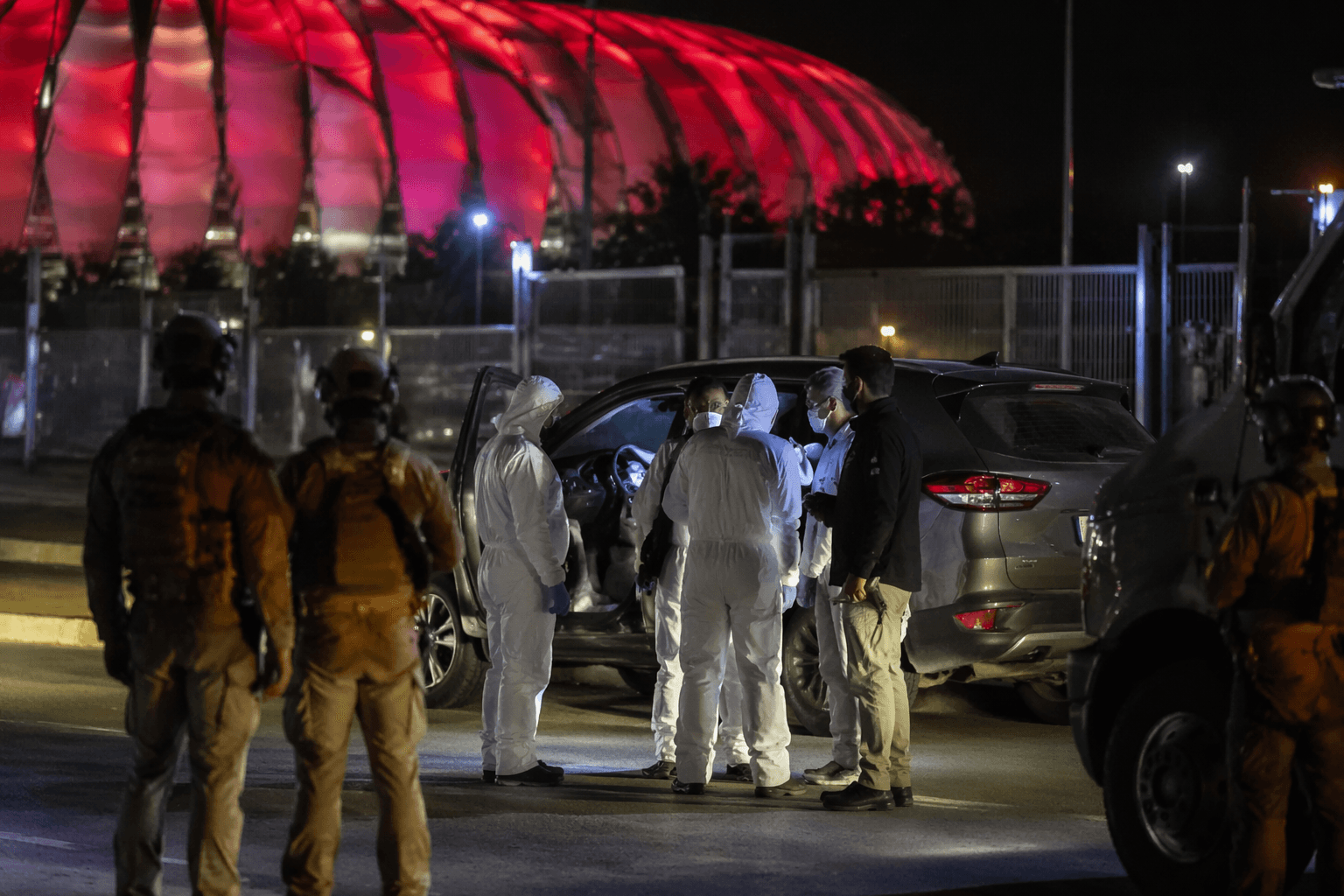
The incident lands in the middle of an unusual World Cup setup for Iran. The national team has been using Tijuana as its base because of visa delays and travel restrictions affecting administrative staff and coaches. Iran had originally planned to train in Arizona, but shifted across the border amid hostilities with the United States. AFP reported that the team has been under heavy security, with armed soldiers escorting players between the hotel and the stadium.
Tijuana’s own security conditions help explain the concern around the stadium. The city recorded 1,219 homicides in 2025, according to official statistics cited by the Associated Press, in a metro area of more than 2.3 million residents. Local officials describe it as a major corridor for drug smuggling and a destination for migrants turned away at the U.S. border, a mix of pressures that has made public safety a constant issue.

The 2026 World Cup is being jointly hosted by Mexico, the United States and Canada, and Iran is expected to travel to Los Angeles next week for its first group-stage match against New Zealand. For tournament planners, the case is a reminder that security questions around team bases, transit routes and fan access can cut far beyond the pitch, especially in a city where stadium life and border violence meet so closely.
This article was produced by Prism’s automated news system from verified source data, official records, and press releases, then run through automated quality and moderation checks before publishing. The system is built and supervised by the people who set the standards it runs under. Read our full AI policy.
Know something we missed? Have a correction or additional information?
Submit a Tip