Cosco orders 12 LNG dual-fuel 18,000-TEU ships from Jiangnan
Cosco's unit ordered 12 LNG dual-fuel 18,000-TEU ships for roughly RMB16.79bn; deliveries are set for 2028-2029 and target east-west trades.
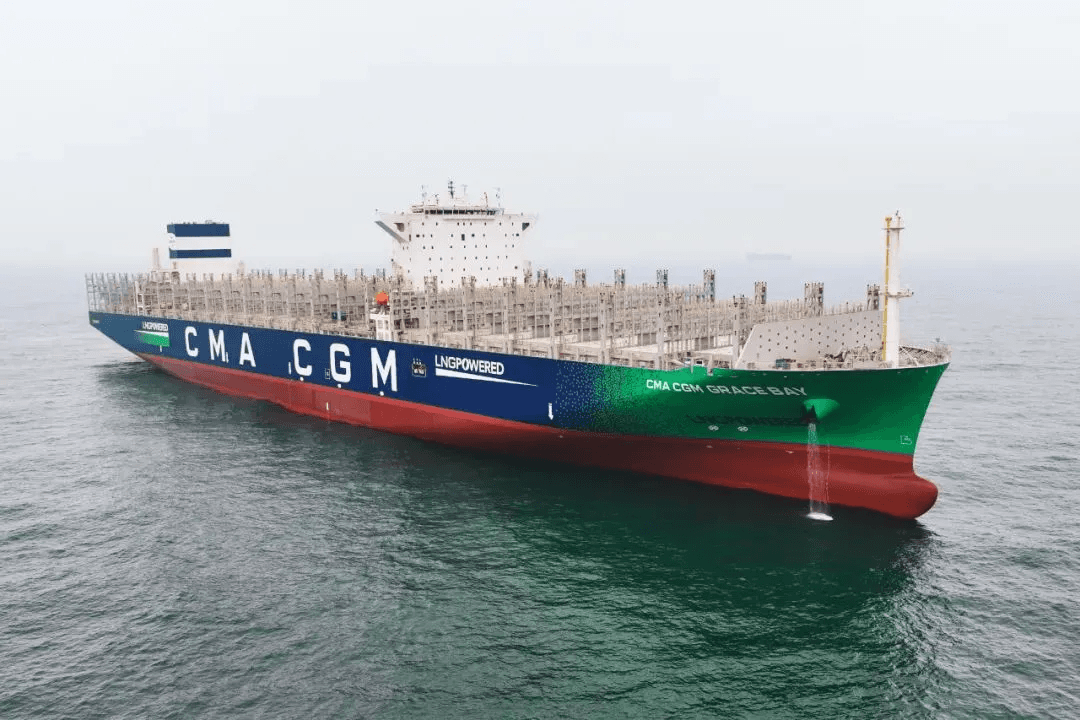
Cosco Asset Management, a subsidiary of Cosco Shipping Holdings, has signed contracts with Jiangnan Shipyard to build twelve 18,000-TEU containerships equipped for LNG dual-fuel operation, according to exchange filings and industry notices dated Jan. 13–14, 2026. The deal is valued at about RMB16.79 billion, or roughly RMB1.4 billion per ship, equivalent to approximately $2.4 billion in aggregate and about $200 million per vessel. Deliveries are scheduled across 2028 and 2029, and the units will be deployed on east-west trades.
The newbuilds belong to Jiangnan’s in-house Kun series, identified as the KUN-18N design, which the yard has previously supplied to major operators including Pacific International Lines and CMA CGM. Jiangnan and industry materials describe the class as delivering “domestic advanced” performance levels, citing improved fuel efficiency, energy savings and environmental benefits. Cosco framed the order as part of steady capacity expansion and fleet decarbonisation, noting LNG will be used as the main fuel.
The transaction stands out for scale and technical specification. Twelve 18,000-TEU vessels represent a substantial capacity commitment at a time when newbuilding pipelines are being shaped not only by demand expectations but also by regulatory and fuel-transition pressures. Cosco’s exchange disclosures show the company ran a tendering process that involved multiple yards before selecting Jiangnan, marking the first time the group has placed specific orders for LNG dual-fuel containerships. The procurement underlines a wider push among large liner operators to lock in greener tonnage while fleet renewal programs accelerate.
Market implications are immediate and layered. On the supply side, adding a dozen ultra-large containerships will increase Cosco’s east-west lift capacity when the ships enter service in 2028-29, a period analysts expect to be marked by continued trade growth but also rising fleet productivity. Higher nominal capacity could exert downward pressure on freight rates if demand growth underperforms, yet Cosco positions the vessels as tools to enhance service quality and reduce unit costs through improved fuel efficiency. The per-ship price of about $200 million also signals continued healthy margins for Chinese yards able to deliver advanced designs.
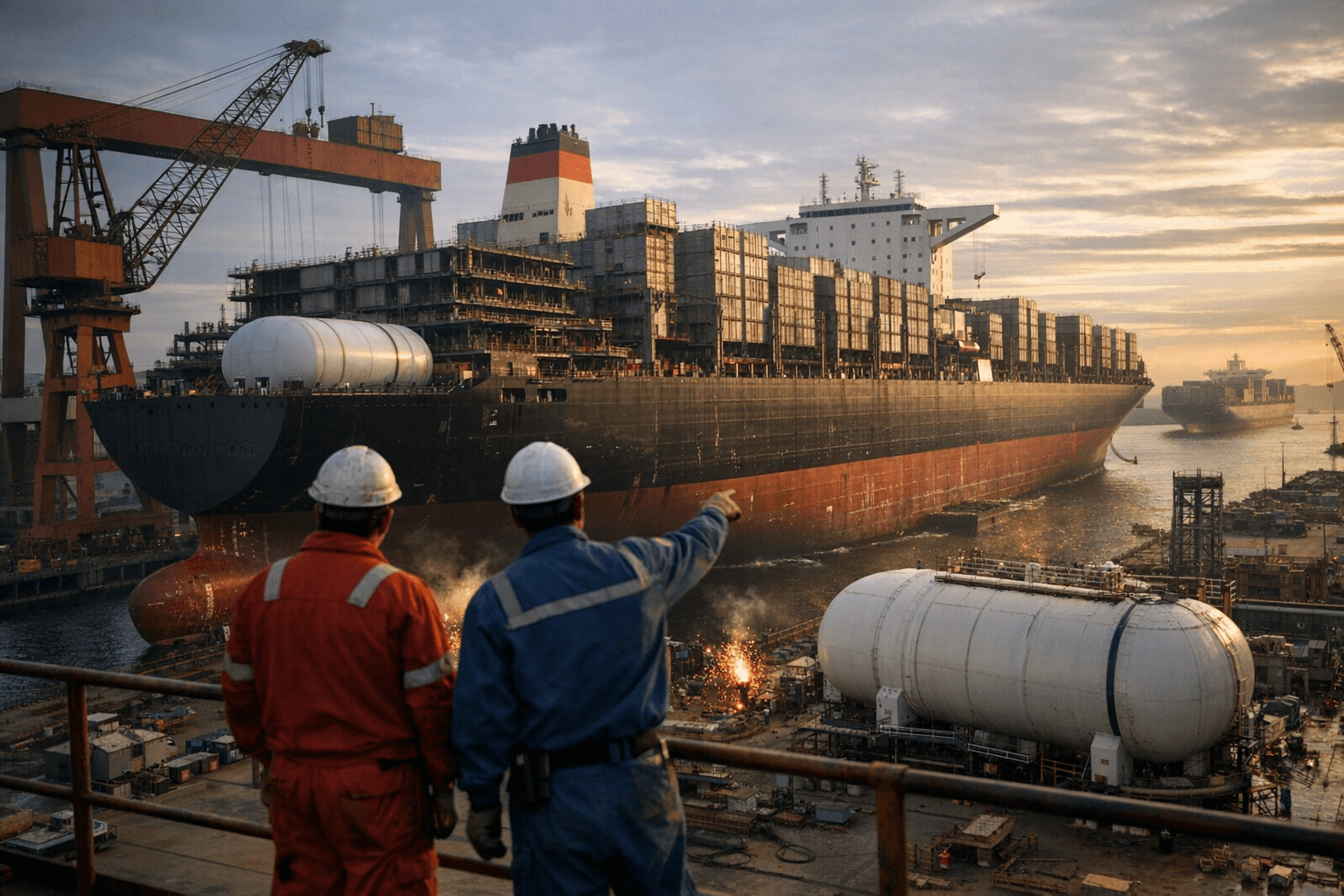
Environmental and policy context matters as well. LNG dual-fuel capability offers lower carbon dioxide emissions per tonne-mile compared with conventional marine fuels, although methane slip and lifecycle emissions remain an area of regulatory and technical scrutiny. The order aligns with Cosco’s recent experiments with other alternative fuels, including the methanol dual-fuel COSCO Shipping Yangpu and conversions like Cosco Shipping Libra, reflecting an incremental approach to decarbonisation that mixes newbuilds and retrofits.
The deal complements Cosco’s broader fleet investments disclosed recently, which include orders for six 307,000 dwt VLCCs and a major dry-bulk package, underlining a multi-segment modernization strategy. For China’s shipbuilding industry, the award reinforces Jiangnan’s role in constructing next-generation containerships and signals continued state-linked demand for domestically built tonnage. As the 2028-29 delivery window approaches, key variables to watch will be bunker fuel pricing, availability of LNG bunkering infrastructure on east-west routes, and how charter markets value low-emission assets relative to conventional vessels.
This article was produced by Prism’s automated news system from verified source data, official records, and press releases, then run through automated quality and moderation checks before publishing. The system is built and supervised by the people who set the standards it runs under. Read our full AI policy.
Did this article answer your question?

