Costco sues to protect tariff refund claims as Supreme Court reviews emergency powers
Costco filed suit in the U.S. Court of International Trade to preserve its ability to claim refunds for tariffs imposed under the International Emergency Economic Powers Act, after U.S. Customs and Border Protection denied extra time to finalize calculations. The case highlights mounting corporate efforts to lock in procedural protections while the Supreme Court weighs whether the Trump administration exceeded its authority, a ruling that could have broad financial and supply chain consequences.

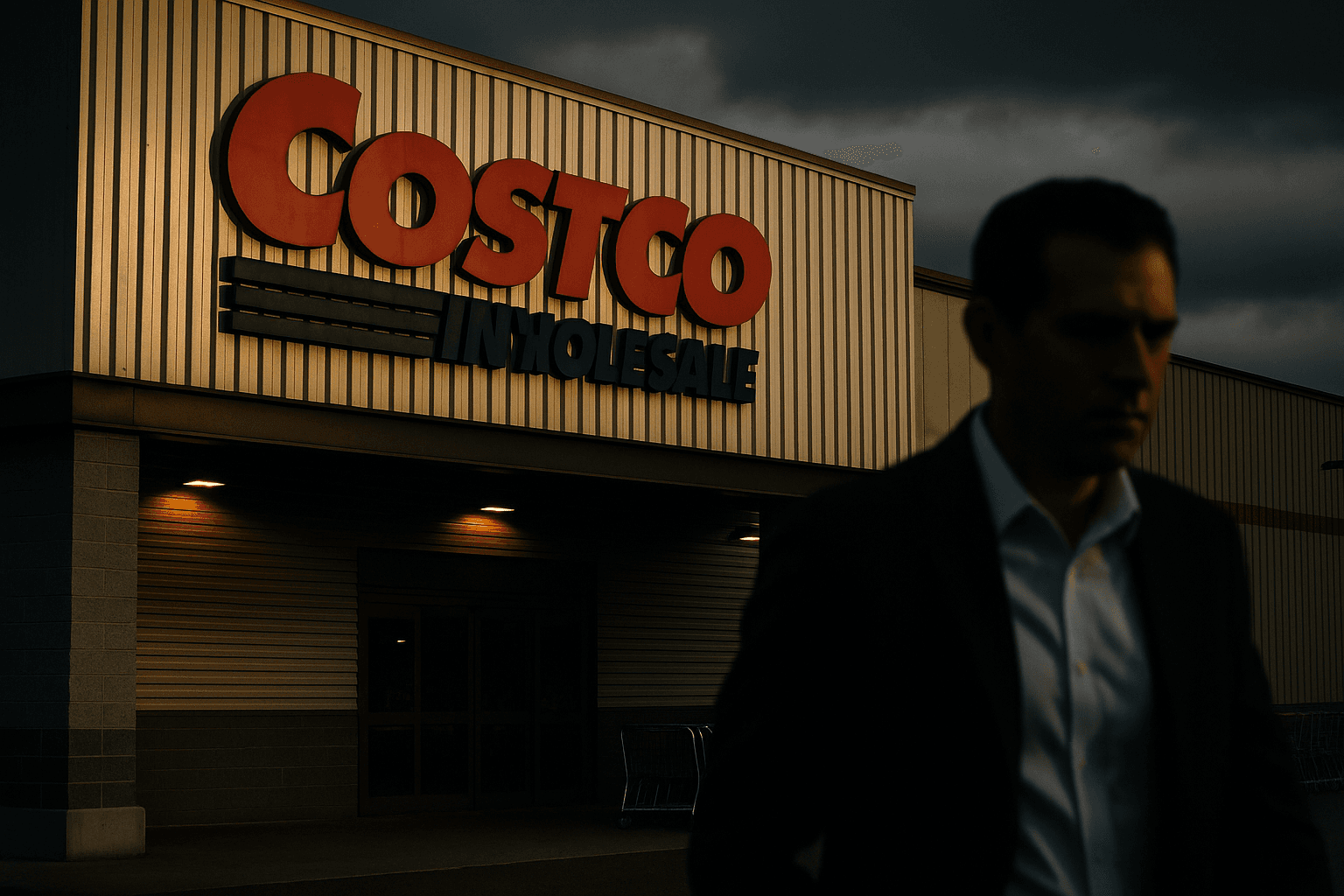
Costco Wholesale filed suit on December 1 in the U.S. Court of International Trade seeking to protect its ability to recover duties paid under tariffs imposed under the International Emergency Economic Powers Act. The complaint alleges that U.S. Customs and Border Protection denied the company additional time to complete tariff calculations, a denial that Costco says could result in forfeiture of refund claims even if the Supreme Court ultimately finds the IEEPA based tariffs unlawful.
The suit joins litigation by major manufacturers and consumer brands that are similarly seeking to preserve potential refunds while the high court considers the legality of the Trump administration use of emergency powers to impose tariffs. The Supreme Court heard arguments on the matter in early November and has not yet issued a decision. Companies across multiple sectors have pressed courts to protect procedural rights as a hedge against a ruling that could obligate the federal government to repay collected duties.
The dispute centers on narrow procedural rules that govern how and when importers may seek refunds or adjustments from Customs. Costco says that without an extension it could be forced to accept final duty assessments now, and thereby lose the opportunity to claim substantial refunds should the Supreme Court rule that the emergency powers authority was not lawfully invoked. The company did not quantify the potential exposure in its filing, but the broader litigation landscape suggests significant sums may be at stake for importers and retailers.
Economists and trade lawyers say the outcome could reverberate through supply chains. If the Supreme Court limits the administration's emergency powers and importers recover duties, the Treasury could face sizeable refund obligations. For retailers and manufacturers a clear path to refunds would improve cash flow and balance sheet positions, particularly for firms that fronted large duty payments in prior years. If procedural rules prevent recovery, affected companies could suffer reduced margins or seek to pass unexpected costs to consumers.
The litigation underscores a longer term trend of private sector reliance on courts to manage the financial risks created by uncertain trade policy. Firms are increasingly using litigation not only to challenge substantive government action, but also to secure procedural protections that preserve their options pending final judicial resolution. That strategy reflects both the scale of modern global trade flows and the limited mechanisms companies have to influence rapid policy shifts from the executive branch.
Policy makers face a choice between clarifying statutory authority and leaving the resolution to courts. A Supreme Court decision restricting emergency powers could prompt Congress to revisit the statutory framework for emergency trade actions and for Customs procedures governing refunds and protests. For now the pending suits have placed procedural timing rules at the center of a dispute with potentially large fiscal and market implications, and they ensure that the full financial consequences of any ruling will be litigated and not decided solely by administrative deadlines.
This article was produced by Prism’s automated news system from verified source data, official records, and press releases, then run through automated quality and moderation checks before publishing. The system is built and supervised by the people who set the standards it runs under. Read our full AI policy.
Did this article answer your question?

