Coupeville Elementary Opens Sensory Room to Support Students' Learning and Emotional Health
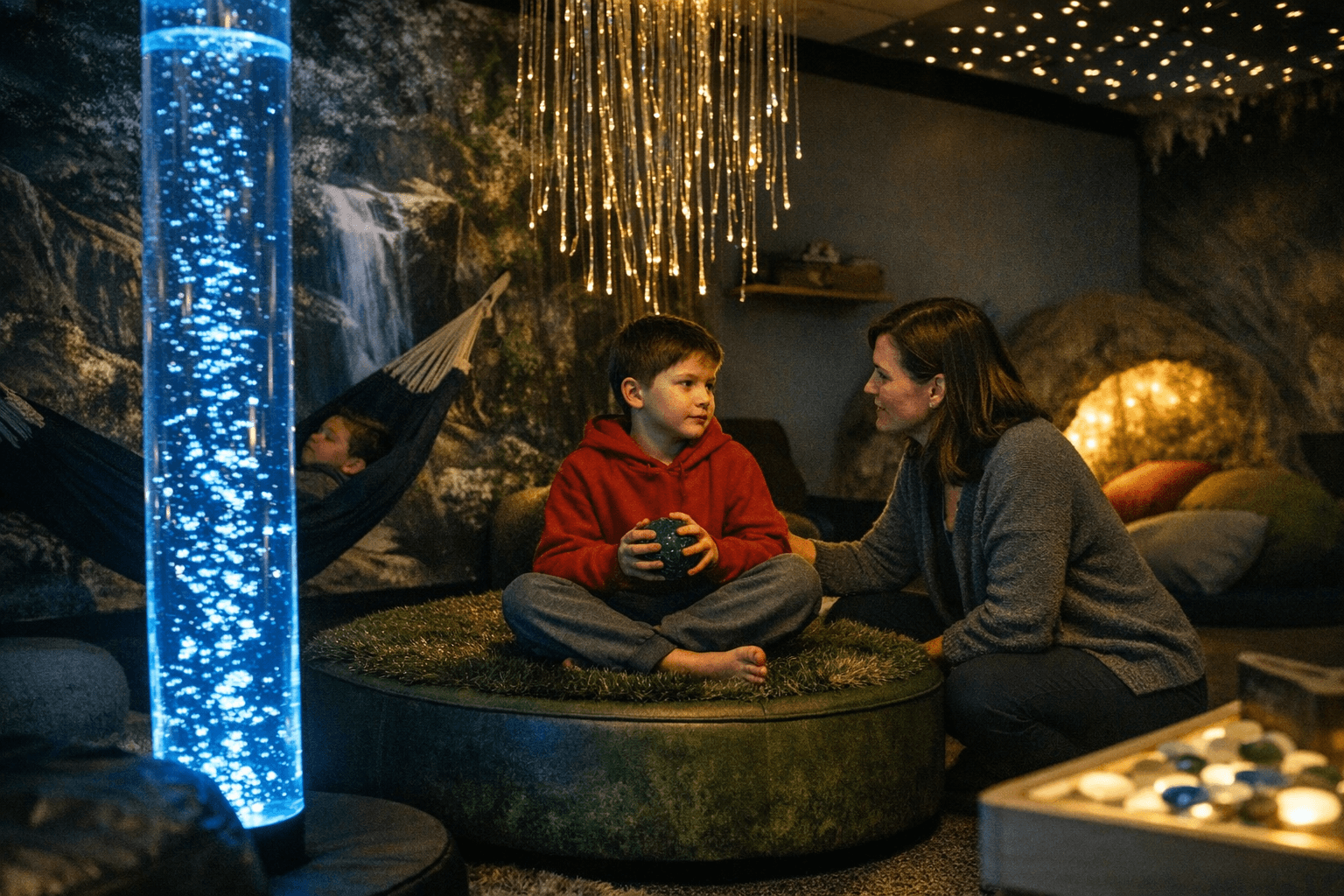
A sensory room opened at Coupeville Elementary on Feb. 18, 2026, giving students a nature‑inspired, quiet space to regulate sensory needs before returning to class.

Coupeville Elementary School opened a sensory room on Feb. 18, 2026, creating a dedicated, quiet space where students can regulate sensory needs and return to learning feeling focused. School leaders say the room was funded by a community donation and is intended to reduce classroom disruptions by providing targeted support outside the general classroom.
The room’s design includes nature‑inspired elements, soft lighting, and a projected image of trees on the ceiling, with seating options that let students sit or lie down to refocus. Photos provided by the school show staff members celebrating the opening, and photo captions note the space is “equipped with interactive movement and relaxation tools.”
Administrators placed the sensory room within the Coupeville School District’s Multi-Tiered System of Support framework as a Tier 2 intervention, meaning the space is meant to provide targeted assistance beyond universal classroom instruction. District materials describe MTSS as a “prevention‑based framework” that “ensures that schools create the necessary conditions to systematically integrate academic and non‑academic supports to meet the needs of the whole child.” The Finalsite excerpts also include the line that MTSS “builds on a public health approach that is preventative and focuses on organizing the efforts of adults within 31 systems to be more efficient and effective.”
Principal Erica McColl framed the room as part of the school’s whole‑child priorities. “At Coupeville Elementary, we believe every student deserves the support they need to be ready to learn,” McColl said. She added, “For some students, that means having access to a space where they can regulate their sensory needs before returning to the classroom feeling focused and grounded. The sensory room was made possible through the generosity of a community donation, and it reflects the kind of school we strive to be, one that meets students where they are and invests in their whole well‑being, not just academics.”
Several operational and transparency details remain unspecified in publicly available materials. The donor identity and donation amount were not disclosed, and the district has not published protocols on who supervises the room, how students are referred for Tier 2 use, or whether parental permission is required. District pages note students may self‑refer for counseling through Google Classroom links and list support staff by campus in fragmentary form, including a single name listing that reads “Coupeville Elementary School: Bridget.”
Related inclusion work appears on the school’s Instagram account, where a partial post references making the elementary garden “inclusive to all students” and new seating at @coupeville_elementary_school. For operational questions, district contact listed on Student Support Programs materials is Arianna Bumgarner, abumgarner@coupeville.k12.wa.us. Materials also identify Mrs. Sarah Boin as the ASCENT teacher; further details about how ASCENT, counseling staff, and the sensory room will coordinate have not yet been released.
Know something we missed? Have a correction or additional information?
Submit a Tip