Court blocks EPA bid to scrap Biden-era soot limits
A federal appeals court kept Biden-era soot limits in place, blocking EPA from undoing them by reversal alone. Coal plants and nearby communities remain under the stricter rule.

Coal plants and nearby communities kept Biden-era soot limits in place on Friday after a federal appeals court rejected the Environmental Protection Agency’s bid to withdraw them. The ruling leaves the 2024 standard intact for now and forces EPA to keep fighting in court if it wants to weaken or erase the rule.
The U.S. Court of Appeals for the D.C. Circuit issued an opinion in Commonwealth of Kentucky v. EPA, preserving the annual PM2.5 limit that EPA finalized on February 7, 2024. That rule lowered the health-based standard from 12 micrograms per cubic meter to 9 micrograms per cubic meter. At stake were controls on fine particulate pollution from coal-fired power plants and factories, with 24 states led by Kentucky and industry groups including the National Association of Manufacturers challenging the standard, and a coalition led by California defending it.
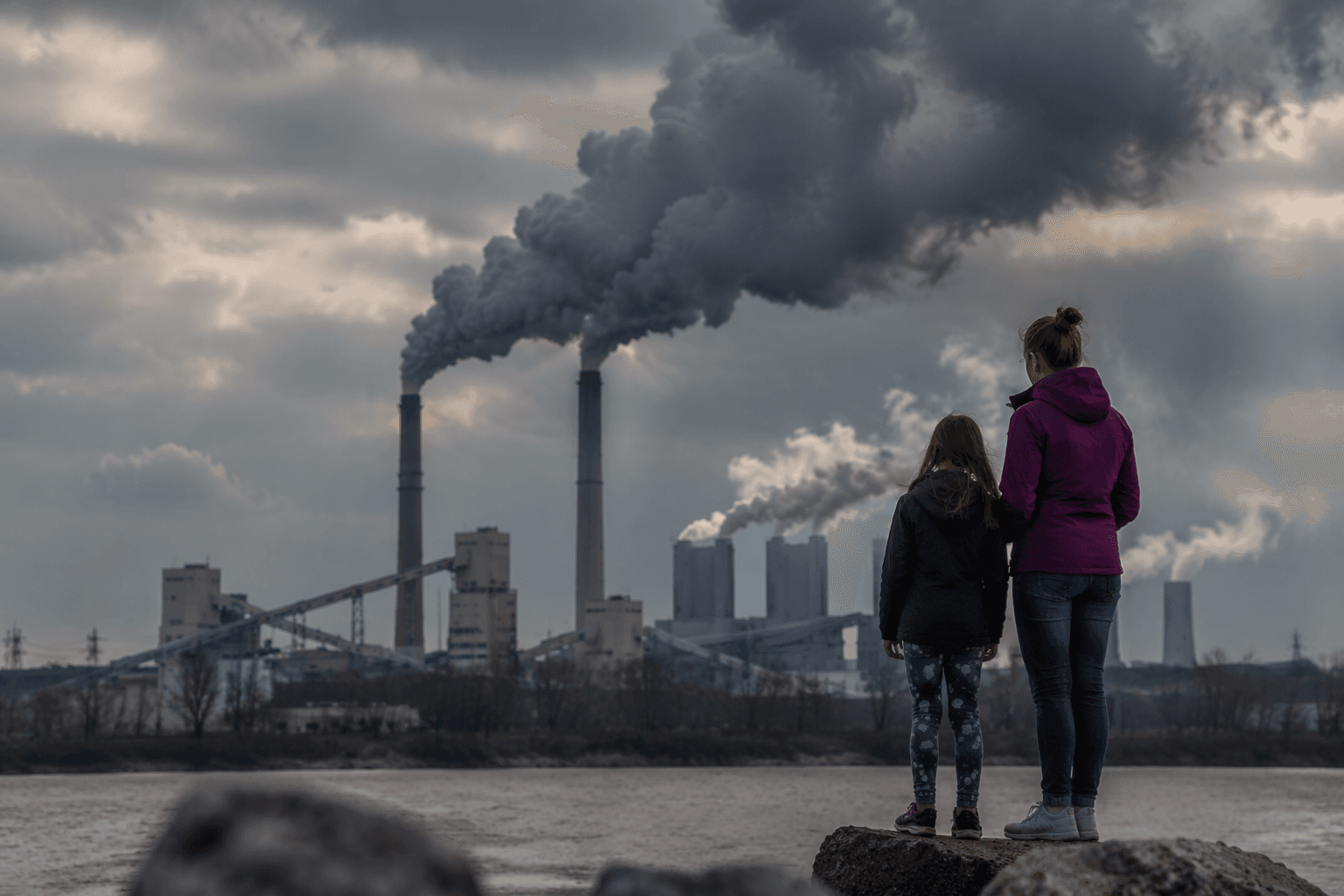
The health case for the rule was built around the toll of soot exposure. EPA said the tougher limit could prevent up to 4,500 premature deaths, 290,000 lost workdays, 800,000 cases of asthma symptoms and 2,000 hospital visits in 2032, while delivering as much as $46 billion in net health benefits that year. The agency also said PM2.5 concentrations in outdoor air had fallen 42% since 2000 even as U.S. GDP increased 52%, a core part of its argument that cleaner air rules and economic growth can coexist.

Nearly 91% of existing coal plants already meet the tougher standard, even as some operators still face expensive controls and continuing uncertainty. In April 2026, a coalition of 10 states, the District of Columbia, Harris County, Texas, and New York City sued EPA over its failure to issue required nonattainment designations under the soot rule, arguing that delay has weakened state Clean Air Act tools to curb particulate pollution.
This article was produced by Prism’s automated news system from verified source data, official records, and press releases, then run through automated quality and moderation checks before publishing. The system is built and supervised by the people who set the standards it runs under. Read our full AI policy.
Know something we missed? Have a correction or additional information?
Submit a Tip