Court of Appeal hears teenagers convicted of rape should have been detained
Appeal judges heard three teenage rapists should have been detained after a Southampton judge chose rehabilitation orders over custody for attacks on two girls.
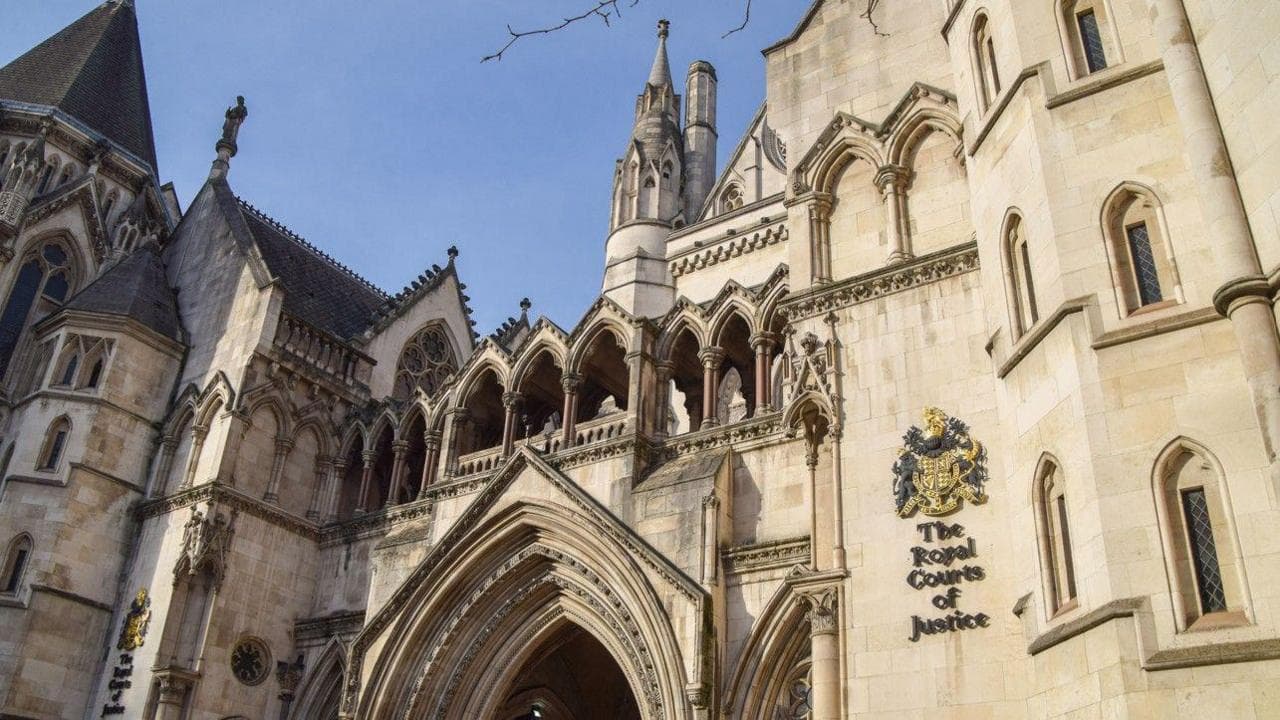
At Southampton Crown Court on 21 May 2026, Judge Nicholas Rowland imposed youth rehabilitation orders and a supervision and surveillance programme rather than sending three teenage boys convicted of raping and filming two girls in Fordingbridge to detention. The case centres on attacks in Hampshire in November 2024 and January 2025, carried out by two boys aged 15 and one aged 14 at the time.
Judge Rowland said he wanted to avoid criminalising the children unnecessarily and took account of their age, ADHD and low intellectual capacity when sentencing them. That decision was then referred under the unduly lenient sentence scheme, and the Attorney General asked the Court of Appeal to review the sentences. The unduly lenient sentence scheme allows appeal judges to examine whether sentences in the most serious cases are appropriate.
Siobhan Blake, the CPS national lead for rape and serious sexual offences, said youth-on-youth cases are increasingly serious and violent, and that harmful misogynistic attitudes need to be tackled early. Prosecutors say the original orders did not reflect the gravity of rape, filming and the repeated abuse of two victims in separate attacks less than two months apart. Footage from the assaults was shared on social media.

Prime Minister Sir Keir Starmer backed a review of the case, while one of the victims described the sentence as feeling “like a rock straight in my face.” Gisèle Pelicot also condemned the decision and said she was deeply shocked. The Court of Appeal can leave the sentences unchanged if it decides they fell within the judge’s reasonable range, but it can also increase them if it finds the punishment was too lenient for the violence involved.
This article was produced by Prism’s automated news system from verified source data, official records, and press releases, then run through automated quality and moderation checks before publishing. The system is built and supervised by the people who set the standards it runs under. Read our full AI policy.
Did this article answer your question?

