Craft Beer Closures Rise, Rogue Shuts Down, Market Faces Shift
Craft beer volume weakened through 2025, with scan data showing a five percent decline in the first half and further softening in the third quarter, while brewery closures continued to outnumber openings. The abrupt shutdown of Rogue Ales and the rapid collapse at Sycamore Brewing underscore mounting financial and reputational pressures for U.S. brewers, and signal important choices for local breweries and homebrewers.
Craft beer in the United States moved from slowdown to shock this month as long term trends collided with acute crises. Scan data showed a five percent decline in volume in the first half of 2025, followed by additional softening in the third quarter. The Brewers Association reported 268 new brewery openings against 434 closures year to date, marking the second consecutive year in which closings outpaced openings and tightening choices across markets.
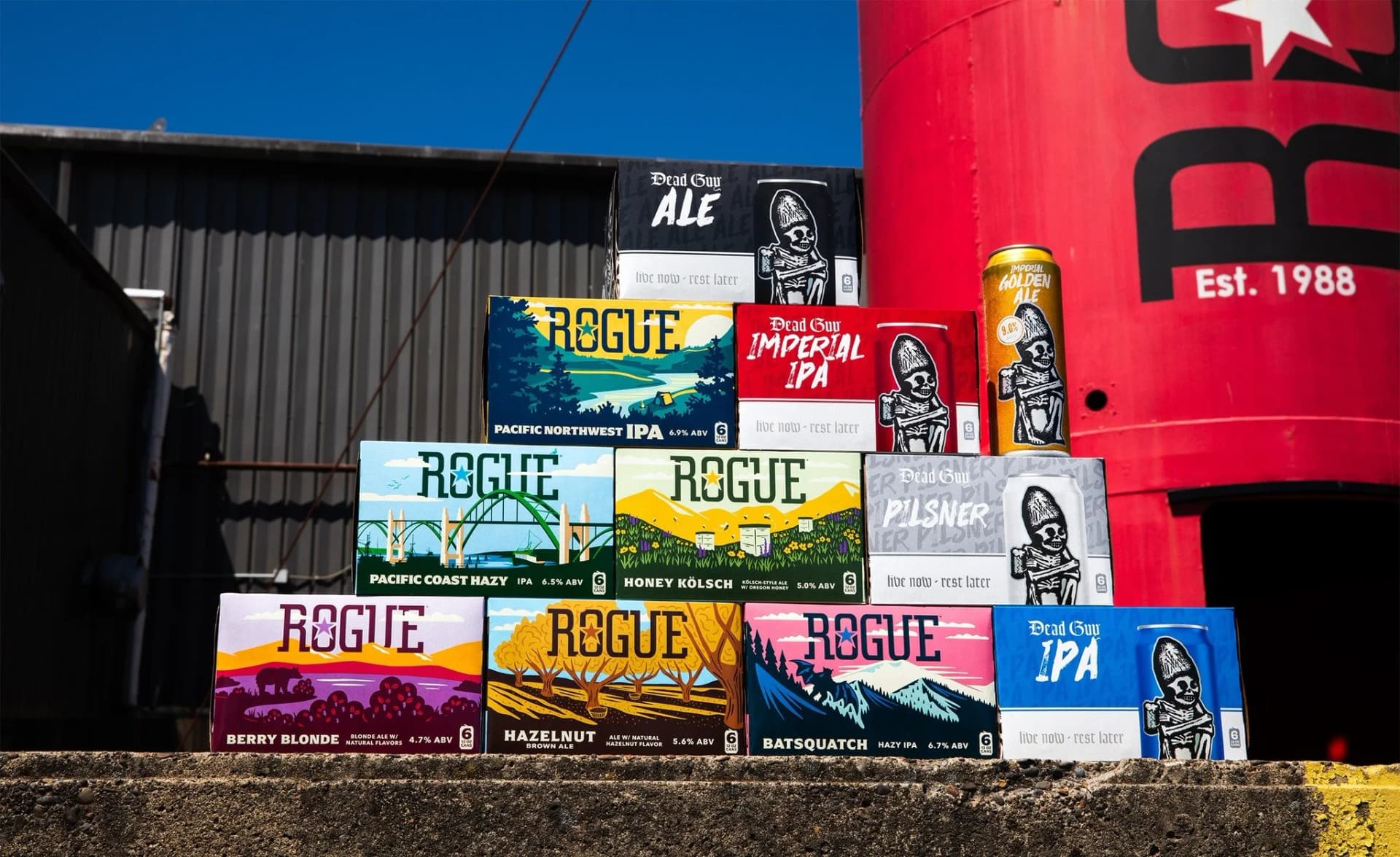
The industry felt an immediate jolt when Rogue Ales and Spirits, producer of Dead Guy Ale, abruptly shut down all operations after 37 years, citing financial strain. The closure removed a once ubiquitous brand from store shelves and draft lists, and sent ripples through suppliers, taproom partners, and regional distributors. That shock amplified attention on Sycamore Brewing in Charlotte, which has been facing a rapid collapse amid a scandal involving a co founder. Taprooms have emptied and distribution partners have pulled back, threatening the brewery s survival and leaving local drinkers and employees in limbo.
Those headlines sit inside a broader market picture that is both challenging and selective. U.S. breweries continue to feel inflationary pressure and rising packaging costs, with aluminum tariffs noted as a particular burden for can dependent operations. Consumer tastes are shifting toward lower alcohol and non alcoholic options, and that segment has become a bright spot. On premise sales for non alcoholic IPAs and stouts showed substantial year over year growth, prompting many brewers to develop no and low ABV recipes.

Brewers are responding with several strategic pivots. Expect to see more premiumization, expanded no and low ABV portfolios, and investments in direct to consumer sales and enhanced taproom experiences. For brewers and taproom operators, review packaging contracts, diversify sales channels, and test smaller batch low ABV offerings to capture customers moving away from standard strength pours. For homebrewers, experiment with techniques that preserve aroma while reducing alcohol, and consider offering small keg or crowler runs to nearby friends and local venues.
The global craft beer market still projects long term growth overseas, but domestic operators face a moment of adaptation. Local communities and homebrewers can influence outcomes by supporting taprooms that innovate, by trying non alcoholic varieties, and by keeping pressure on suppliers and distributors to steady the supply chain through a difficult winter.
Know something we missed? Have a correction or additional information?
Submit a Tip