Craig Lewis-Williams Needs Lifelong Specialist Care After 2021 Attack
Craig Lewis-Williams, 50, receives carers six times a day after a one-punch attack in 2021; his family fears the £500k compensation cap, frozen since 1996, won't cover decades of care.
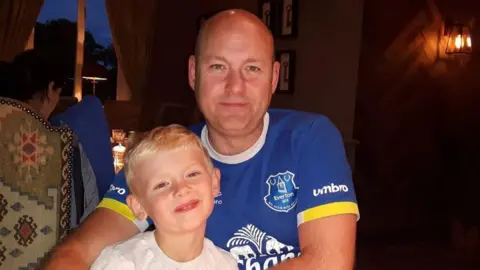
Craig Lewis-Williams was walking home in Llay, Wrexham, in November 2021 when a single punch changed everything. The former warehouse manager, now 50, can no longer walk or swallow, requires a feeding tube, and depends on carers who visit six times a day. A stroke suffered during his subsequent treatment added paralysis down the left side of his body to an already catastrophic set of injuries. He will need specialist care for the rest of his life.
His attacker, Adam Chamberlin, also from Llay, pleaded guilty to grievous bodily harm and was jailed for more than a year. The disparity between that sentence and the sentence Craig's family is now living has become the focus of a growing campaign over how Britain compensates the victims of violent crime.
Craig received the maximum payout available from the Criminal Injuries Compensation Authority, but only after an appeal. That maximum figure is £500,000, a threshold set in April 1996 and left untouched for three decades. Had it risen in line with inflation, campaigners calculate it would now stand at £1,015,000, more than double the current ceiling.
His wife Anna, 45, is clear-eyed about what £500,000 actually buys for a man who has just turned 50 and faces 25 to 30 more years of round-the-clock care needs. "Things are going to need replacing like his wheelchair and the van, they're big things to pay out for which are not what the layman needs," she said. "You can't go out and buy a car for £500, or £1,000, whereas we've got to get everything adapted."
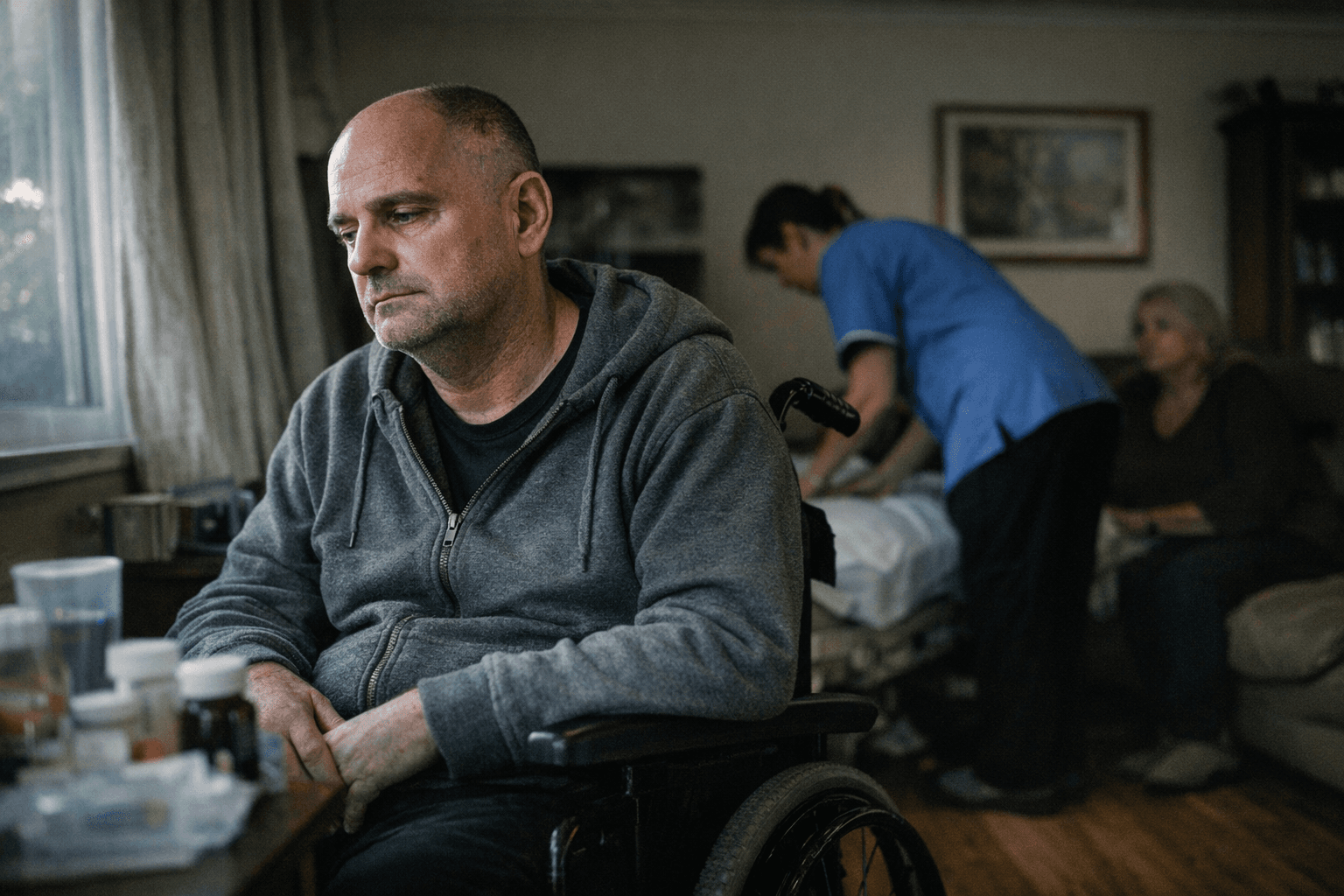
The arithmetic is stark. Spread across a projected lifespan of 75 to 80 years, £500,000 amounts to roughly £16,600 per year before a single piece of adaptive equipment is purchased, before any vehicle modification, and before accounting for the inflationary pressures that have compounded since 1996. Anna's calculation is blunter still: "It's not going to last. He's just turned 50 and the expected life age of a male is 75 to 80, it's another 25-30 years. You've got your car, you've got your family, prices are a lot higher than they were 30 years ago, we've got the cost-of-living crisis and what's going on in Iran, the money has to last longer."
Campaigners pushing to lift the freeze have described the current cap as an "insult" to victims and their families. The CICA scheme covers victims in England, Scotland, and Wales who have suffered severe life-changing injuries including brain damage and paralysis, and is intended to provide for both care costs and long-term financial security when victims can no longer work. For Craig, who had been a warehouse manager before the attack, the loss of earnings alone represents a permanent structural gap that £500,000, even at full inflation-adjusted value, may struggle to bridge.
The Ministry of Justice has said it is leaving "no stone unturned to make sure brave survivors get the support they deserve." For Anna Lewis-Williams, counting the cost of six daily carer visits, a next wheelchair replacement, and the next adapted vehicle, that commitment will need to translate into a concrete revision of a cap that has not moved since John Major was prime minister.
This article was produced by Prism’s automated news system from verified source data, official records, and press releases, then run through automated quality and moderation checks before publishing. The system is built and supervised by the people who set the standards it runs under. Read our full AI policy.
Did this article answer your question?