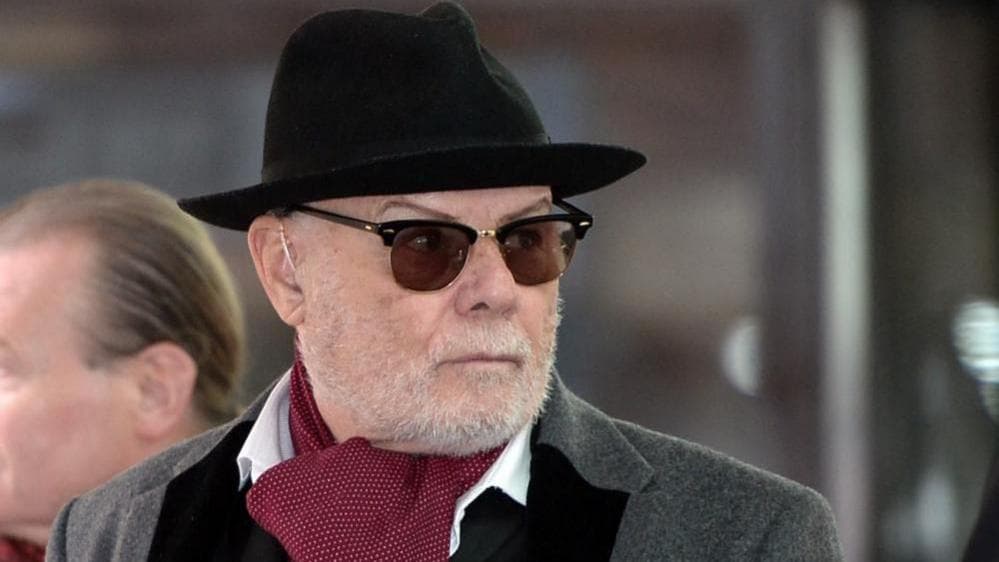
Creator of Basque burnt cheesecake prepares to hand over La Viña
Santiago Rivera is handing La Viña to his children as the cheesecake he created turned a San Sebastián pintxo bar into a global food destination.
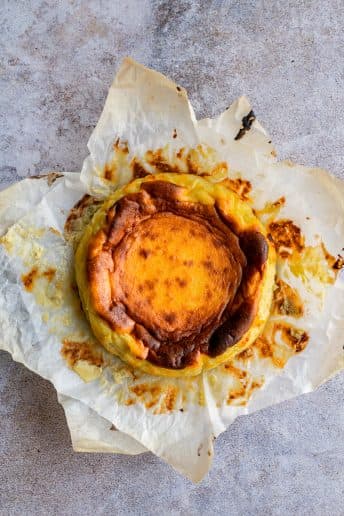
Santiago Rivera is preparing to hand La Viña to the next generation, closing a family chapter that began in 1959 and helped turn a neighborhood bar in San Sebastián’s Parte Vieja into a global stop on the dessert trail. Rivera, widely credited with creating Basque burnt cheesecake at the family-run pintxo bar around 1988 to 1990, is passing on a business now defined as much by its signature slice as by its old-town address on Calle 31 de Agosto.
La Viña was founded by Eladio Rivera, Antonio Rivera, Carmen Jiménez and Conchi Hernáez, and Santiago, known as Santi, began working there in the late 1980s before taking over the kitchen in the 1990s and later the business itself. Basque Culture has described the bar as now being in its second generation under Santi Rivera, a handoff that underscores how a local family operation became the keeper of a recipe that now carries the weight of a regional brand.
The cheesecake’s appeal was built on restraint. Rivera developed it as a high-heat, crustless dessert made with just five ingredients: cream cheese, eggs, sugar, heavy cream and flour. He has said the absence of a cookie or biscuit base gives the cake a creamier, softer texture, and he has resisted altering the formula to fit passing trends. What began as a simple house dessert became a signature rooted in technique rather than decoration, with the caramelized top and custardy center becoming its calling card.
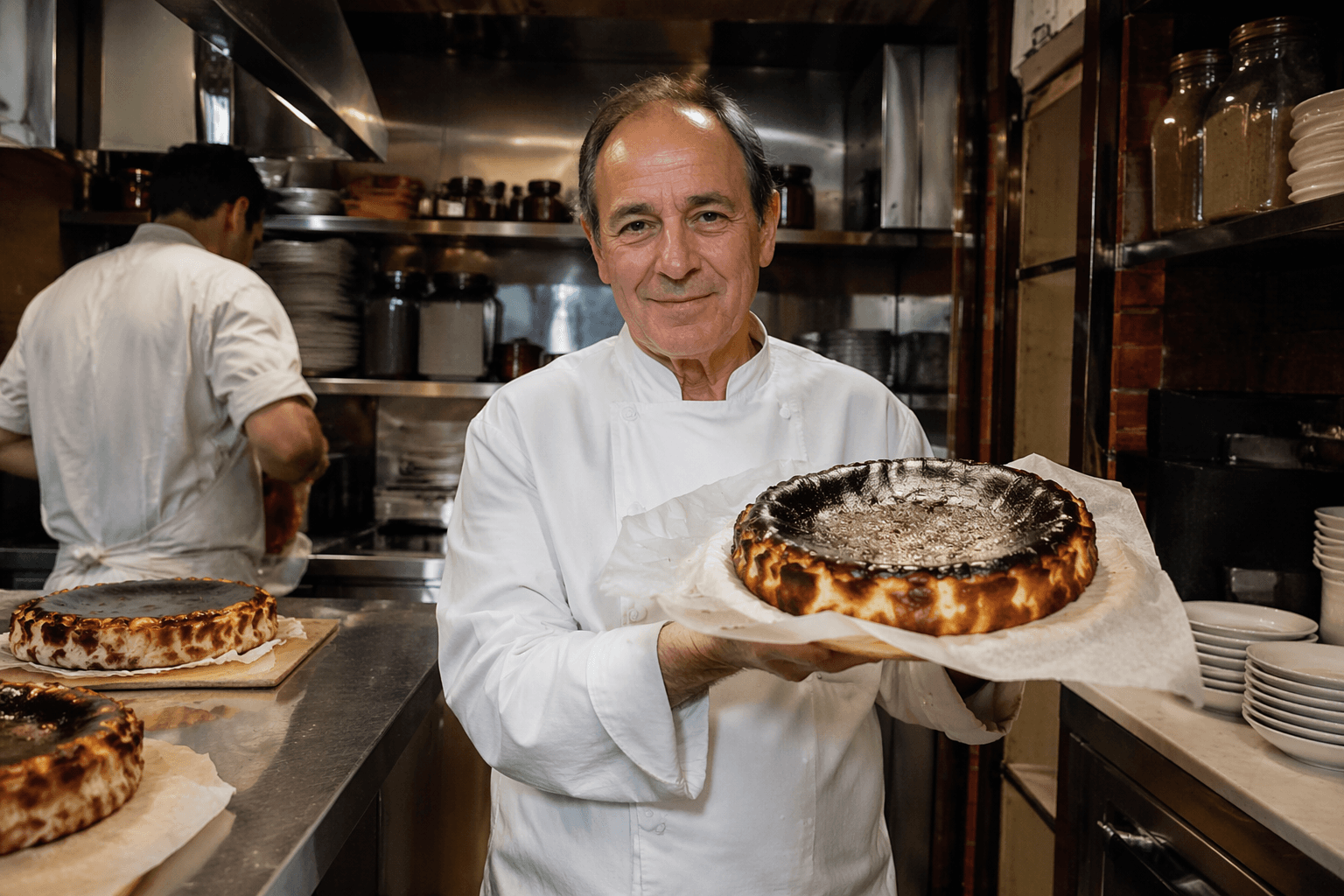
That simplicity helped the dish travel. National Geographic reported that the original version is still sold by the slice at La Viña and said the dessert had drawn more than 229,000 Instagram tags under #BasqueBurntCheesecake at the time of publication. The same global visibility has multiplied the versions, from ube to ice cream, while making La Viña itself a pilgrimage site for food tourists. Resy noted that The New York Times named Basque cheesecake its 2021 Flavor of the Year, a sign of how quickly a regional specialty became international shorthand for contemporary Basque cuisine.
Rivera’s retirement is therefore more than a family succession. It is a reminder that once a local recipe is copied, photographed and remixed worldwide, its fame can grow faster than any one kitchen can control. The dessert’s rise has amplified San Sebastián’s profile, but it has also sharpened the question of ownership: who gets credit when a neighborhood specialty becomes a global commodity.
This article was produced by Prism’s automated news system from verified source data, official records, and press releases, then run through automated quality and moderation checks before publishing. The system is built and supervised by the people who set the standards it runs under. Read our full AI policy.
Did this article answer your question?